The global energy landscape is undergoing a tectonic shift. As Photovoltaic (PV) Energy Storage moves from a niche application to a cornerstone of the world’s power infrastructure, the demand for high-reliability, wholesale manufacturing from China has reached an all-time high. The transition is driven by three primary catalysts: Decarbonization mandates, the pursuit of Energy Sovereignty, and the rapid LCOS (Levelized Cost of Storage) reduction.
Lithium Iron Phosphate (LiFePO4) has officially overtaken NMC as the preferred chemistry for stationary storage. Its superior thermal stability, 6000+ cycle life, and ethical supply chain (cobalt-free) make it the gold standard for China wholesale manufacturers.
Modern ESS (Energy Storage Systems) are no longer "dumb" batteries. They are smart nodes in a grid. Integration of AI-based Battery Management Systems allows for predictive maintenance, SOC (State of Charge) precision within 1%, and optimized "Peak Shaving" capabilities.
The boundary between off-grid and on-grid is blurring. Suppliers are now focusing on Hybrid Systems that provide seamless transitions during grid outages, ensuring C&I (Commercial & Industrial) facilities maintain zero-downtime operations.
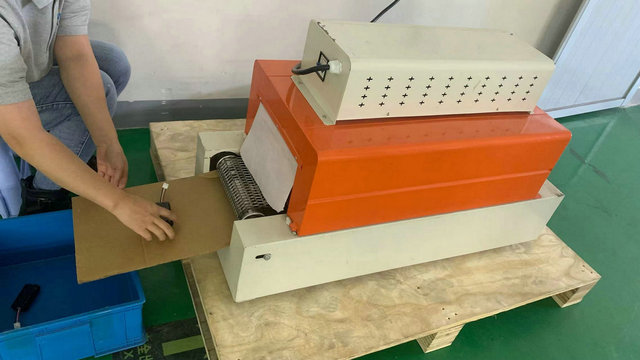
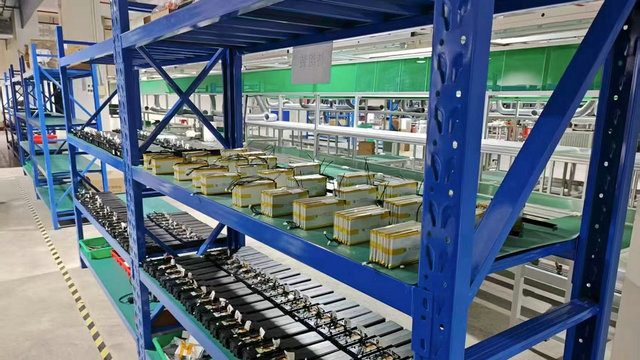
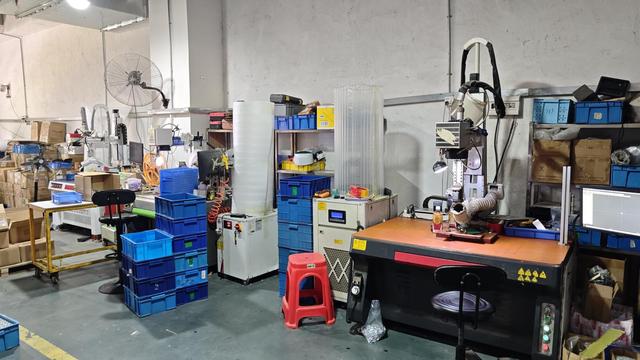
Why does Shenzhen remain the epicenter of the PV Energy Storage world? It is not just about labor; it is about the integrated ecosystem. Shenzhen Ansar Energy Co., Ltd. exemplifies this "Factory 4.0" model, where 18,000 square meters of production space are governed by automated assembly and rigorous E-E-A-T (Experience, Expertise, Authoritativeness, and Trustworthiness) principles.
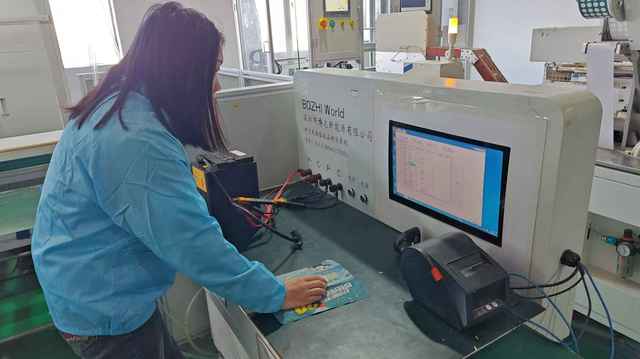
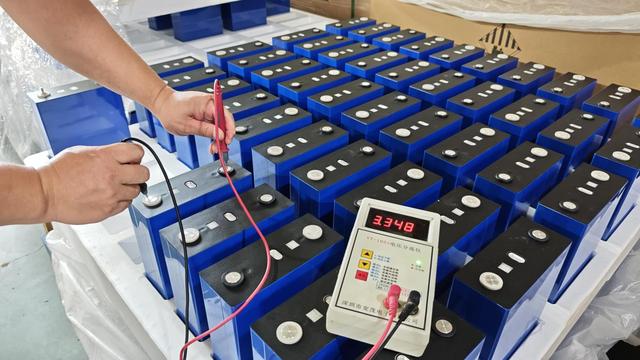
Our manufacturing workflow leverages the vertical integration of the Chinese supply chain. From the sourcing of Grade A prismatic cells to the custom design of PCBAs for our BMS, every step is optimized for "Information Gain." We provide our wholesale partners with transparent data—testing logs, thermal mapping, and discharge curves—ensuring they have a competitive edge in their local markets.
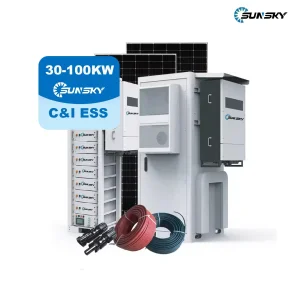
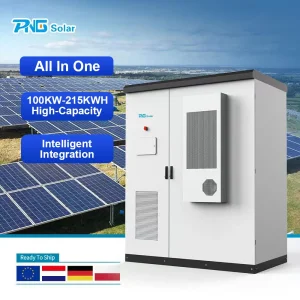
In Europe and North America, businesses are utilizing 215kWh+ systems for Peak Shaving. By discharging stored solar energy during peak tariff hours, factories can reduce their electricity bills by up to 40%.
In Southeast Asia and Africa, our 100kW-200kW microgrid solutions provide 24/7 power to clinics and schools, proving that PV + Storage is the most cost-effective path to rural electrification.
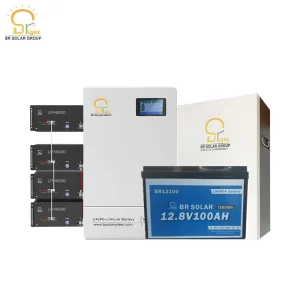
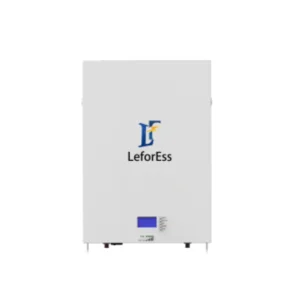
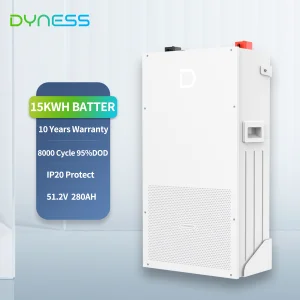
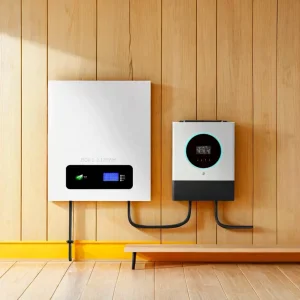
The "Home Energy Storage Wall" is becoming as common as the air conditioner. High-voltage stacked systems (51.2V/200Ah+) allow homeowners to achieve over 90% energy independence from the local utility grid.
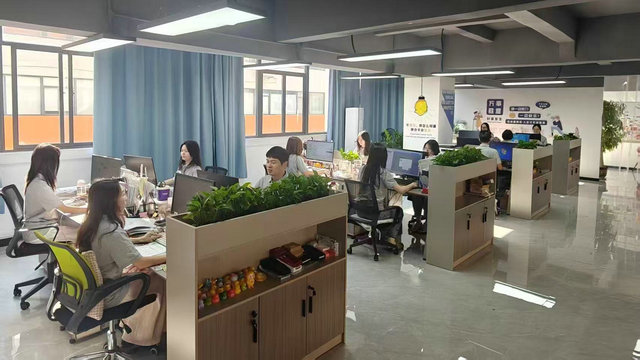
Established in 2015, Ansar Energy is not merely a manufacturer; we are a strategic partner in the global renewable energy transition. Our workforce of 250+ includes R&D engineers who have pioneered smart battery management systems that adapt to varying climates—from the high temperatures of Middle Eastern deserts to the sub-zero winters of Northern Europe.
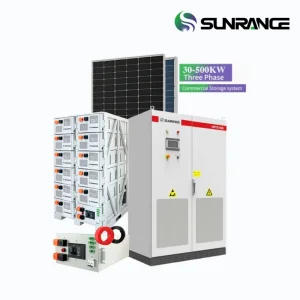
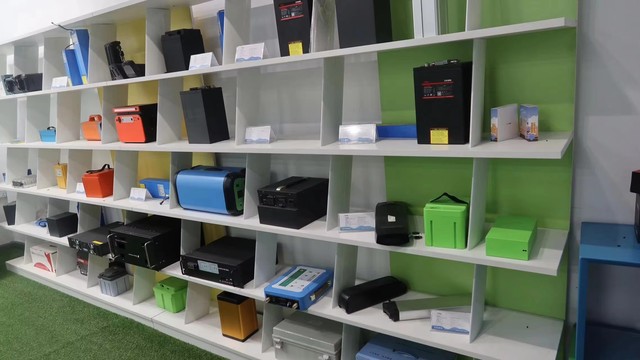
Our core product portfolio is extensive, covering residential energy storage, commercial battery cabinets, and industrial ESS containers. We operate under strict international certifications (CE, UN38.3, MSDS, IEC), ensuring our "Reliability" is backed by third-party verification.
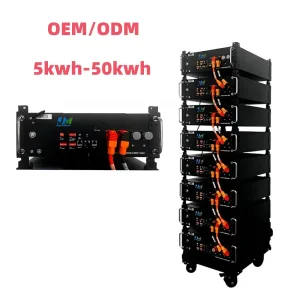
For wholesale buyers, we offer robust OEM and ODM services. This includes project-specific designs, customized branding, and firmware localized to your region's grid requirements.
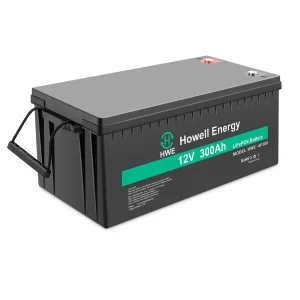
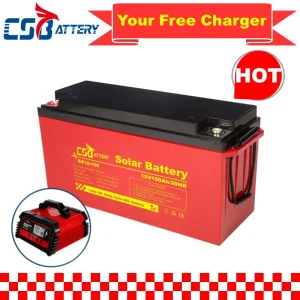
LiFePO4 offers a significantly higher energy density, a depth of discharge (DOD) of 90% compared to Lead-Acid's 50%, and a lifespan that is 5-10 times longer. While the initial investment is higher, the Total Cost of Ownership (TCO) over 10 years is vastly lower.
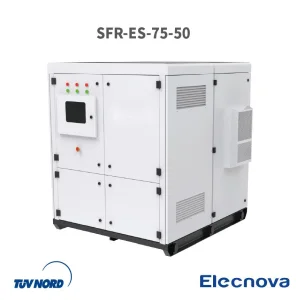
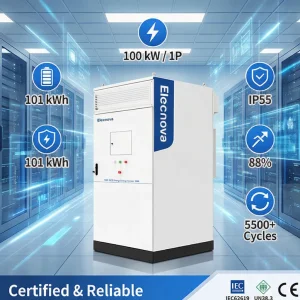
Our industrial ESS units (like the 215kwh/241kwh models) feature integrated HVAC systems for thermal management, aerosol fire suppression systems, and 24/7 cloud monitoring. Our BMS protects against over-voltage, under-voltage, short circuits, and thermal runaway.
Standardized products typically have a lead time of 15-25 days. For custom OEM/ODM configurations, including specialized cabinet designs or high-capacity system integration, lead times range from 30 to 45 days depending on the component complexity.
Yes, our battery systems are engineered with communication protocols (CANbus, RS485) compatible with leading inverter brands such as Deye, Growatt, Victron, and SMA, ensuring a plug-and-play experience for installers.
 Ansar Energy