Ansar Energy
Bangladesh Power Landscape: The Strategic Need for Solar Microgrids
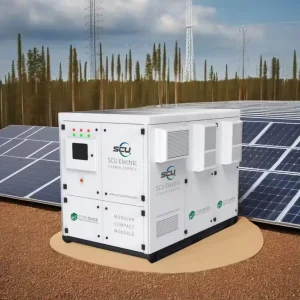
Bangladesh, one of the world's fastest-growing economies, faces a unique energy trilemma: balancing rapid industrialization, energy security, and climate commitments. As the global Solar Microgrid Battery System Exporter leader, Ansar Energy recognizes that Bangladesh's traditional grid infrastructure often struggles to keep pace with the massive demand from the Ready-Made Garment (RMG) sector and booming urban centers like Dhaka and Chittagong.
The "Bangladesh Delta Plan 2100" and the "Mujib Climate Prosperity Plan" have set ambitious targets for renewable energy integration. With solar irradiation levels averaging 4.5 kWh/m²/day, the country is perfectly positioned for solar-plus-storage deployment. However, the volatility of solar power necessitates advanced Microgrid Battery Storage to ensure 24/7 operational continuity, especially for industrial zones where even a 10-minute power dip can cause millions in production losses.
Renewable Energy Target by 2041
Projected Energy Gap by 2030
Standard Tech for Longevity
Global vs. Local: The Industrial Microgrid Evolution
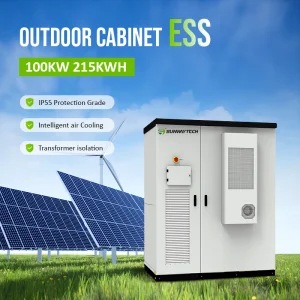
Globally, the Microgrid market is shifting from "backup only" to "economic optimization." In Europe and North America, BESS (Battery Energy Storage Systems) are used for frequency regulation and peak shaving. In Bangladesh, the primary driver is Grid Resilience and Diesel Displacement. High fuel costs and logistics issues for diesel generators make solar microgrids the most cost-effective long-term solution.
Why Industrial Exporters are Choosing LiFePO4 in Bangladesh
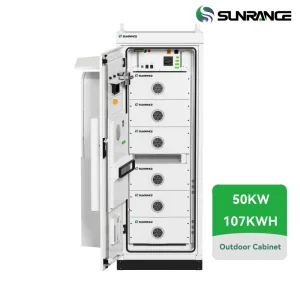
- Thermal Stability: Bangladesh’s high humidity and temperatures require batteries that won't overheat. Our LiFePO4 systems are designed with advanced thermal management.
- Cycle Life: Traditional lead-acid batteries fail within 2 years in heavy-cycling industrial environments. Our systems offer 6000+ cycles, lasting over 10-15 years.
- Net Metering Ready: With the Bangladesh government's Net Metering Policy 2018, our microgrid solutions allow factories to sell excess solar power back to the grid, turning an expense into a revenue stream.
Localized Application Scenarios for the Bangladesh Market
1. RMG & Textile Industry Power Stability
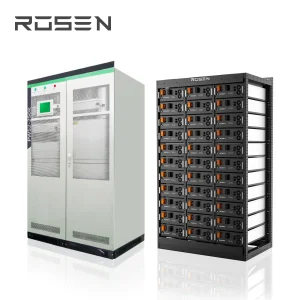
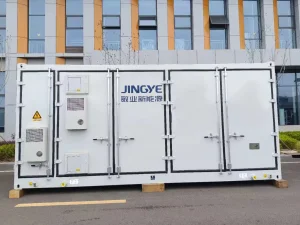
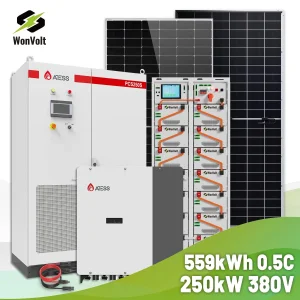
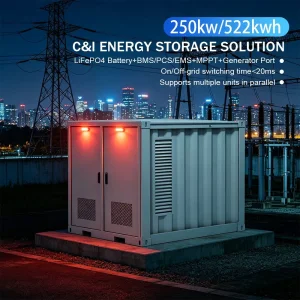
Factories in Gazipur and Narayanganj utilize our 1MW-5MWh BESS to buffer against grid voltage fluctuations, protecting sensitive textile machinery and ensuring uninterrupted production lines.
2. Off-Grid Island (Char) Electrification
In remote areas like Hatia or Sandwip where the national grid cannot reach, our Solar Microgrid Battery Systems provide reliable, clean energy to local hospitals, schools, and markets.
3. Smart Solar Irrigation
Transitioning from expensive diesel pumps to solar-powered microgrids for irrigation, significantly reducing the carbon footprint of Bangladesh’s agricultural sector.
Technical Roadmap & Future Outlook (2025-2030)
The future of energy in Bangladesh lies in Decentralization and Digitization. Ansar Energy is pioneering the integration of AI-driven Energy Management Systems (EMS). This allows for:
- Predictive Maintenance: Using AI to forecast battery health and prevent downtime.
- Virtual Power Plants (VPP): Connecting multiple factory microgrids to support the national grid during peak periods.
- Solid-State Transition: While LFP remains the gold standard, we are researching high-density solid-state options for urban environments with limited space.