Russia's vast geography and unique climatic conditions present both challenges and immense opportunities for EV charging infrastructure. As the Russian government accelerates the "Concept for the Development of Electric Motor Transport Production and Use" through 2030, the demand for resilient, high-capacity solar battery storage has reached a critical tipping point. Unlike Western Europe, the Russian market requires infrastructure that can withstand extreme temperature fluctuations—from the humid summers of the south to the sub-zero winters of Siberia.
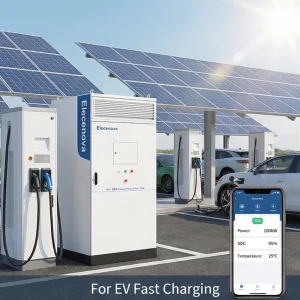
Major Russian cities like Moscow, Kazan, and Sochi are leading the charge. Large-scale industrial hubs are increasingly turning to Commercial & Industrial (C&I) BESS to manage peak loads and ensure 24/7 uptime for EV fleet charging, mitigating the strain on aging grid assets.
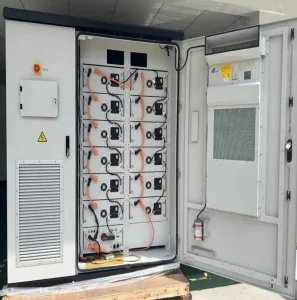
The roadmap for Russia focuses on LiFePO4 (Lithium Iron Phosphate) chemistry due to its thermal stability. Integration with sophisticated HVAC systems is mandatory to maintain battery health at -30°C, a specialty where Ansar Energy excels.
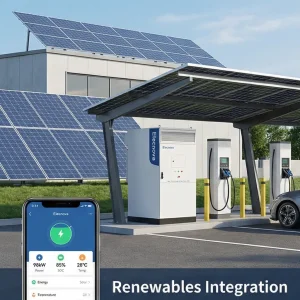
By 2030, Russia aims for at least 10% of all vehicles produced locally to be electric. This transition necessitates a decentralized energy storage network that can store solar energy during peak daylight and discharge during evening high-demand periods.
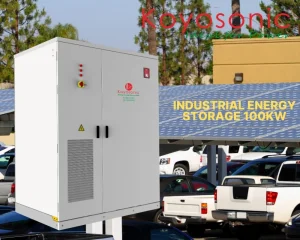
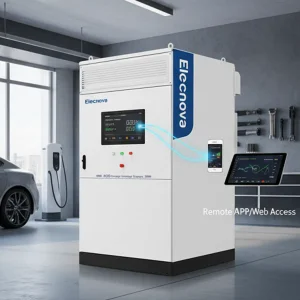
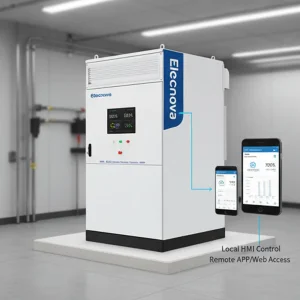
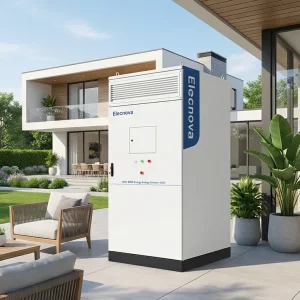
For large-scale suppliers and infrastructure developers in Russia, a "battery" is not just a component; it is the heart of a macro-energy solution. Ansar Energy provides turnkey systems that address three primary pain points in the Russian energy sector:
Based in Shenzhen, the "Silicon Valley of Hardware," Shenzhen Ansar Energy Co., Ltd. leverages a world-class supply chain to provide Russian partners with an unmatched competitive edge. Our Factory 4.0 approach integrates:
For Russian suppliers, this means short lead times and high reliability, even amidst global logistics shifts. We understand the importance of the EAC (Eurasian Conformity) and GOST-R standards, ensuring our designs are ready for local certification.
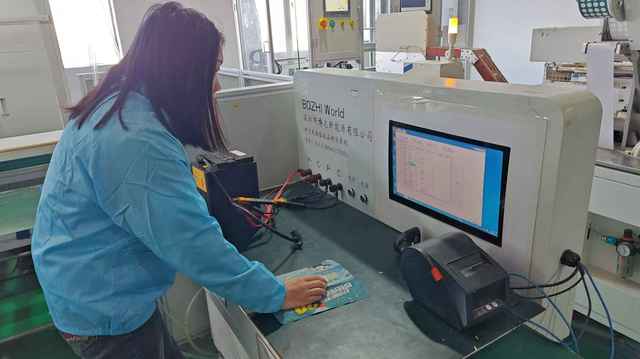
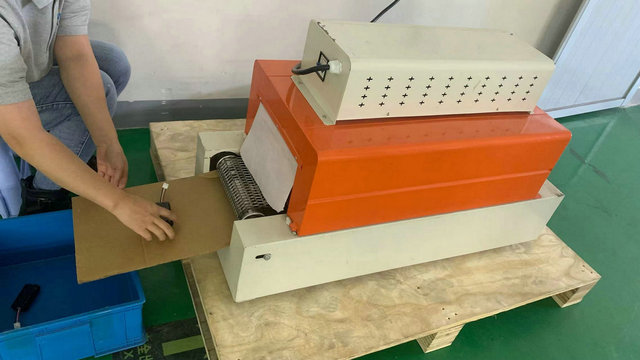
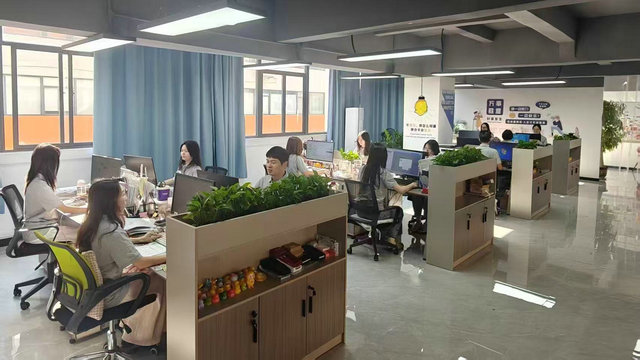
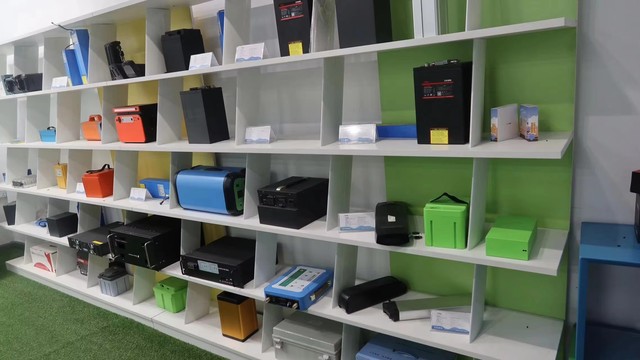
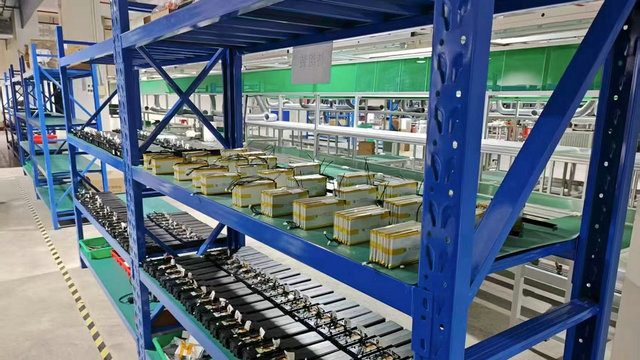
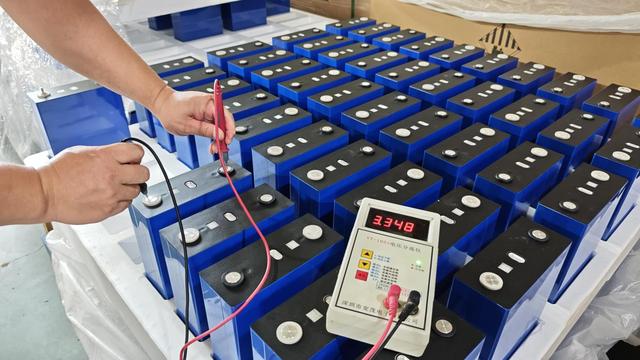
Shenzhen Ansar Energy Co., Ltd. is a professional manufacturer specializing in solar energy storage batteries and integrated renewable energy solutions for residential, commercial, and industrial applications. Established in 2015 and headquartered in Shenzhen, Guangdong Province, China, the company is committed to supporting the global transition toward sustainable energy through advanced battery storage technologies and intelligent power management systems. With a modern manufacturing facility covering more than 18,000 square meters and a workforce of over 250 employees, Ansar Energy serves customers across international renewable energy markets.
The company's core product portfolio includes solar energy storage batteries, residential energy storage systems, commercial battery storage solutions, industrial energy storage systems, off-grid solar battery systems, hybrid energy storage solutions, backup power batteries, lithium battery packs, and smart battery management systems. In addition to standard products, Ansar Energy provides OEM and ODM manufacturing services, offering customized battery capacities, system configurations, branding solutions, and project-specific energy storage designs.
A: Our systems designed for the Russian market include integrated HVAC (Heating, Ventilation, and Air Conditioning) units. These modules pre-heat the LiFePO4 cells to optimal operating temperatures before charging begins, ensuring no capacity loss or lithium plating occurs during sub-zero conditions.
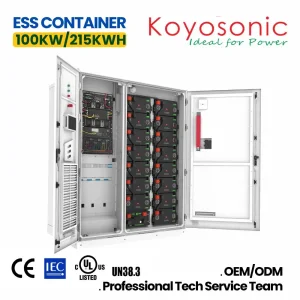
A: Yes. All our products are manufactured to IEC and UL standards, and we work closely with Russian technical partners to provide the necessary documentation and hardware modifications required for local EAC/GOST-R certification.
A: Absolutely. Our ESS supports 1P and 3P outputs (compliant with EN50549) and features adjustable power factors (up to 0.99) to ensure seamless handshake with varied grid qualities found across the Russian Federation.
A: Typically, production takes 4-6 weeks. Logistics via the "New Silk Road" rail network (Shenzhen to Moscow/Kazan) usually takes an additional 15-20 days, providing a highly efficient alternative to sea freight.
 Ansar Energy