Ansar Energy
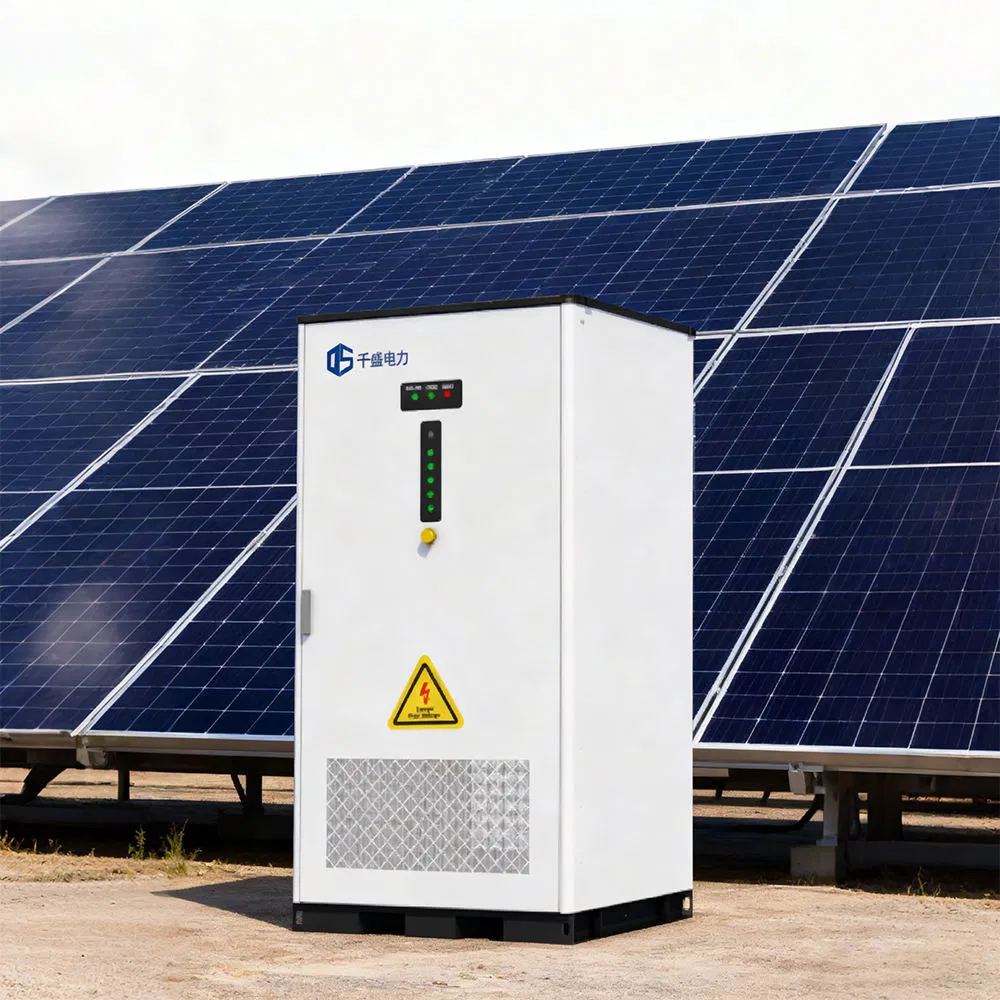
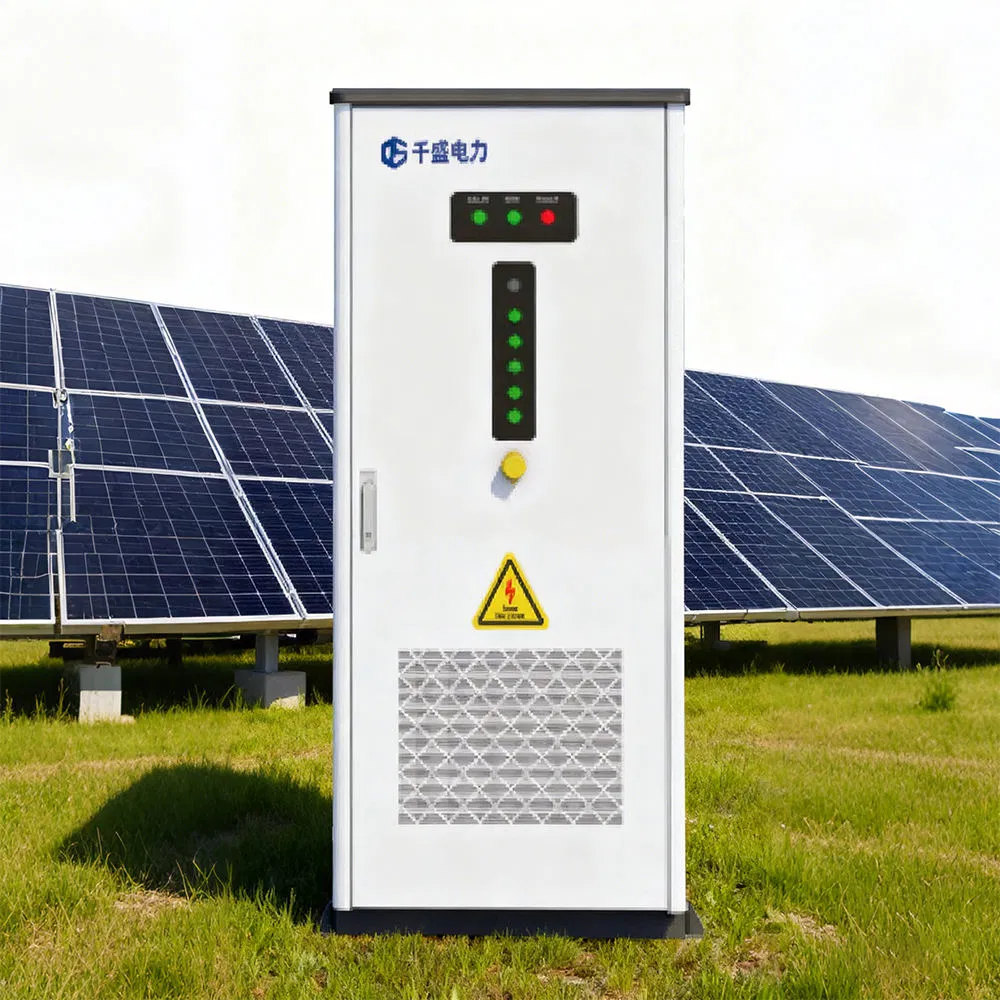
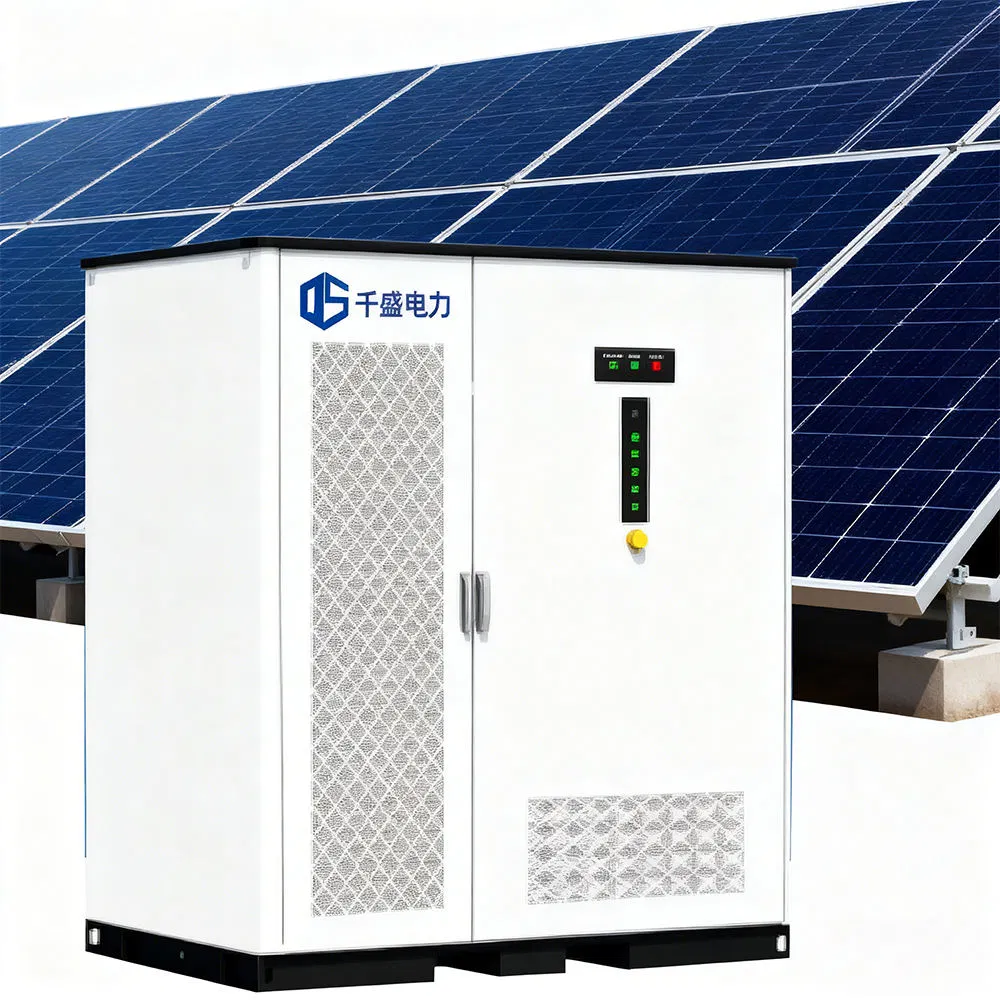
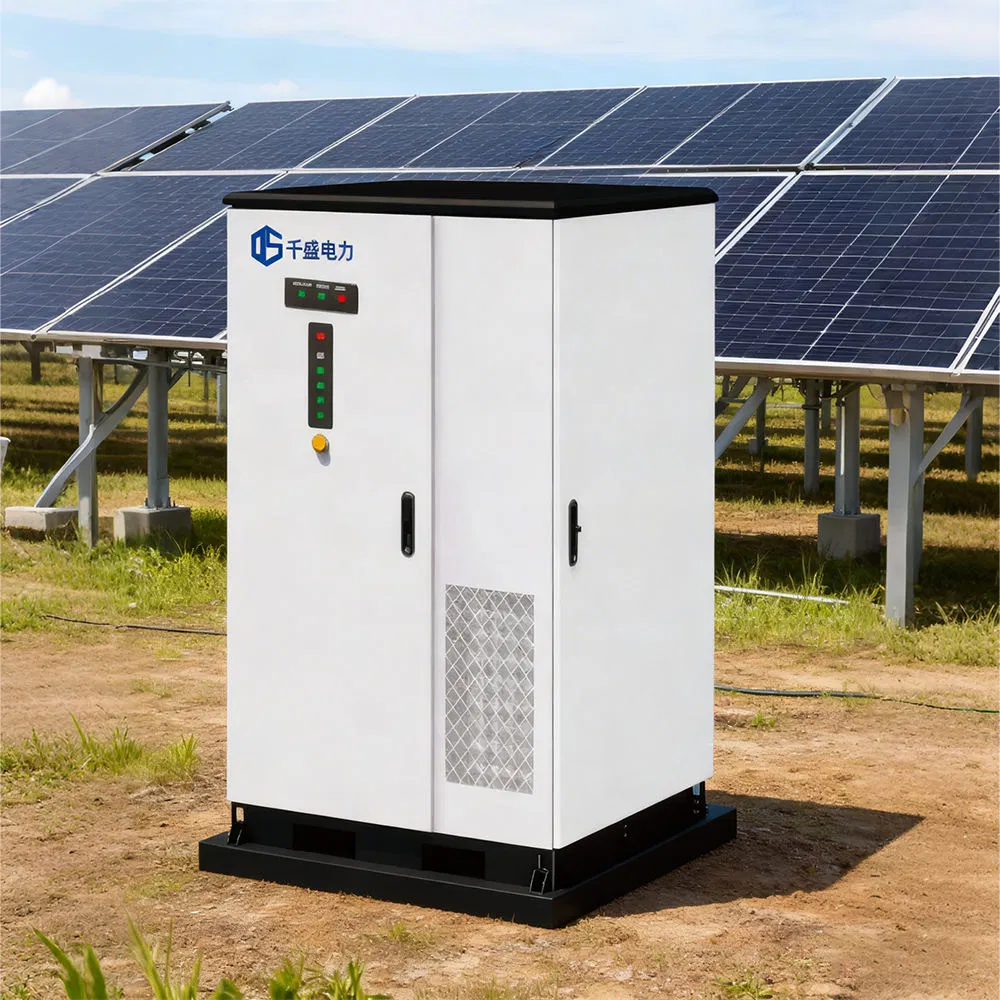
1 / 5
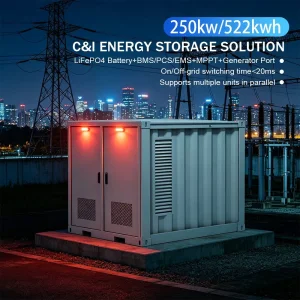
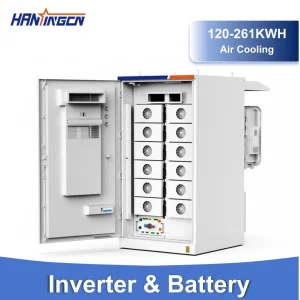
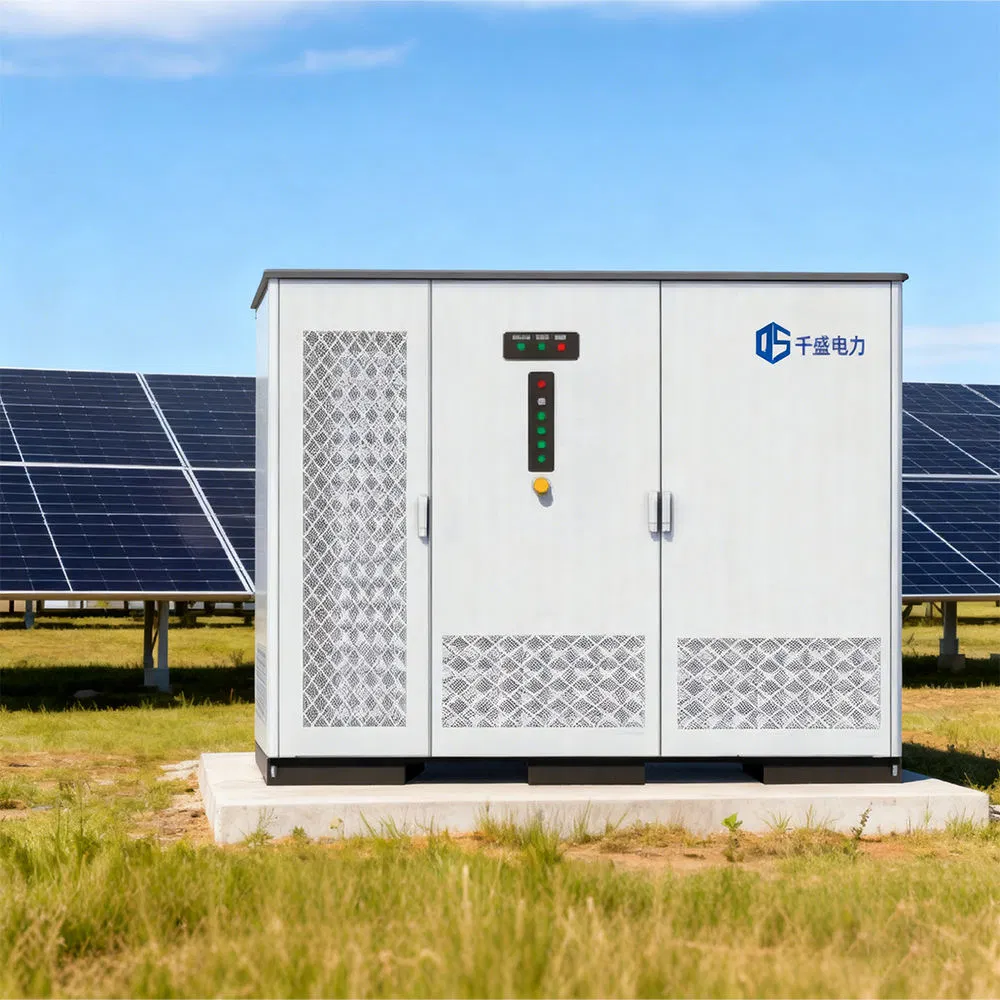
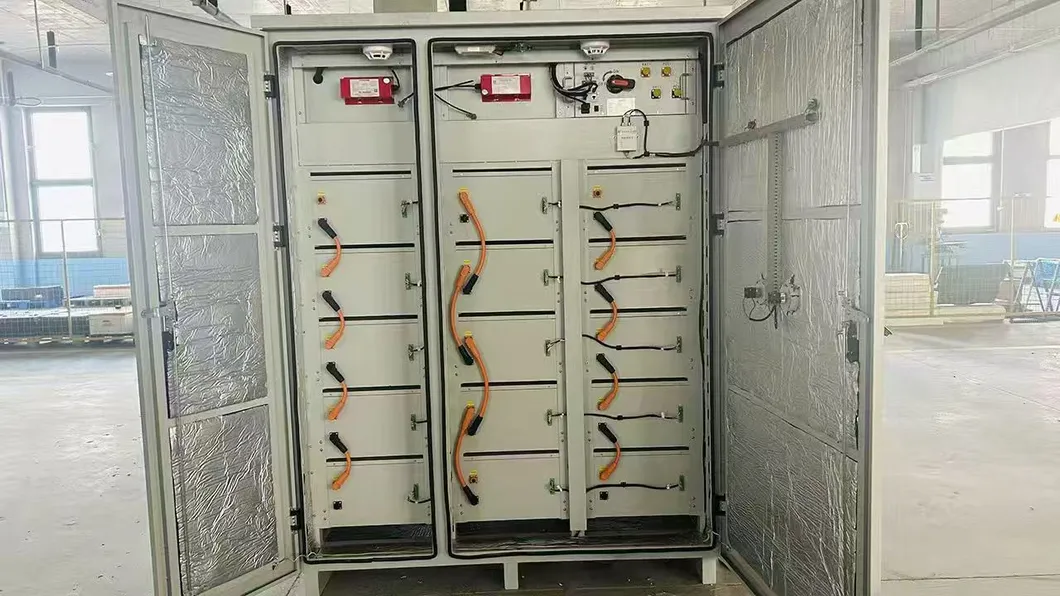
| Product Name | Solar-storage integrated machine |
| Cell type | LFP (LiFePO4) |
| Rated capacity | 314Ah |
| Rated energy | 128kWh |
| Rated voltage | 409.6VDC |
| Maximum charging voltage | 467.2VDC |
| Discharge cut-off voltage | 339.2VDC |
| Human-computer interaction | Internet of Things + APP |
| Communication interface | CAN / RS485 |
| Protection level | IP55 |
| Corrosion resistance grade | C4 (C5 optional) |
| Fire protection rating | Aerosol |
| Working temperature | 25ºC ± 5ºC |
| Max Charging Temp Range | 0ºC - 55ºC |
| Max Discharging Temp Range | -20ºC - 60ºC |
| Number of cycles | > 6000 times |
| Overall dimensions | 1035 * 2045 * 1386mm |
| Weight | 1736kg |
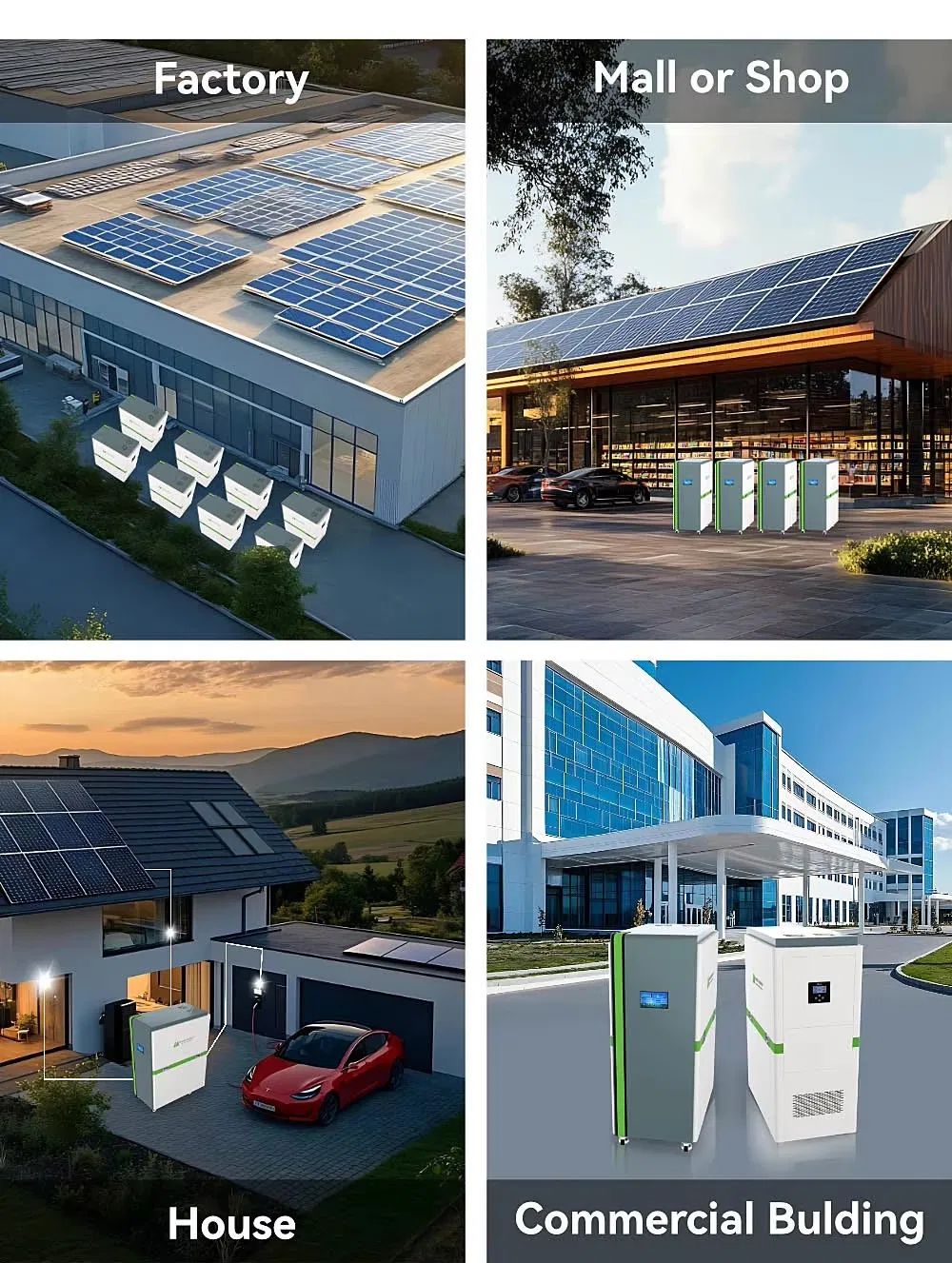
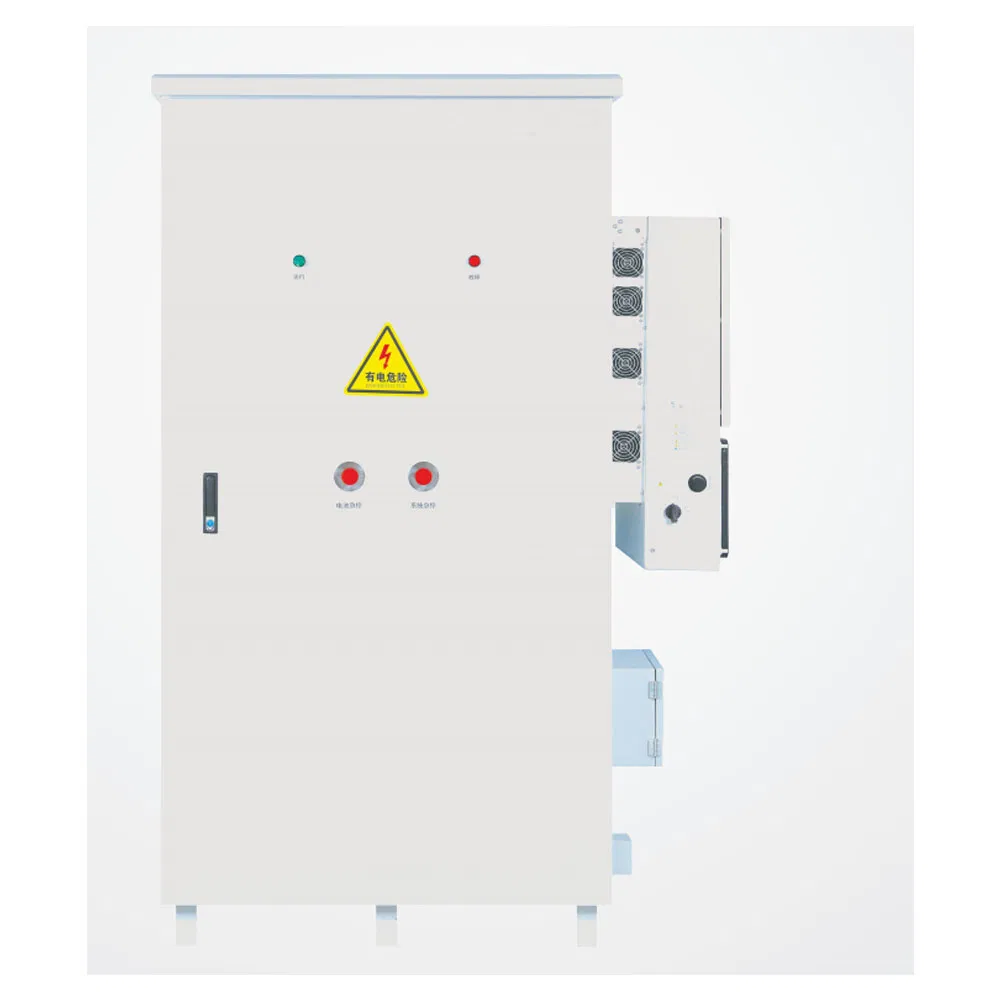
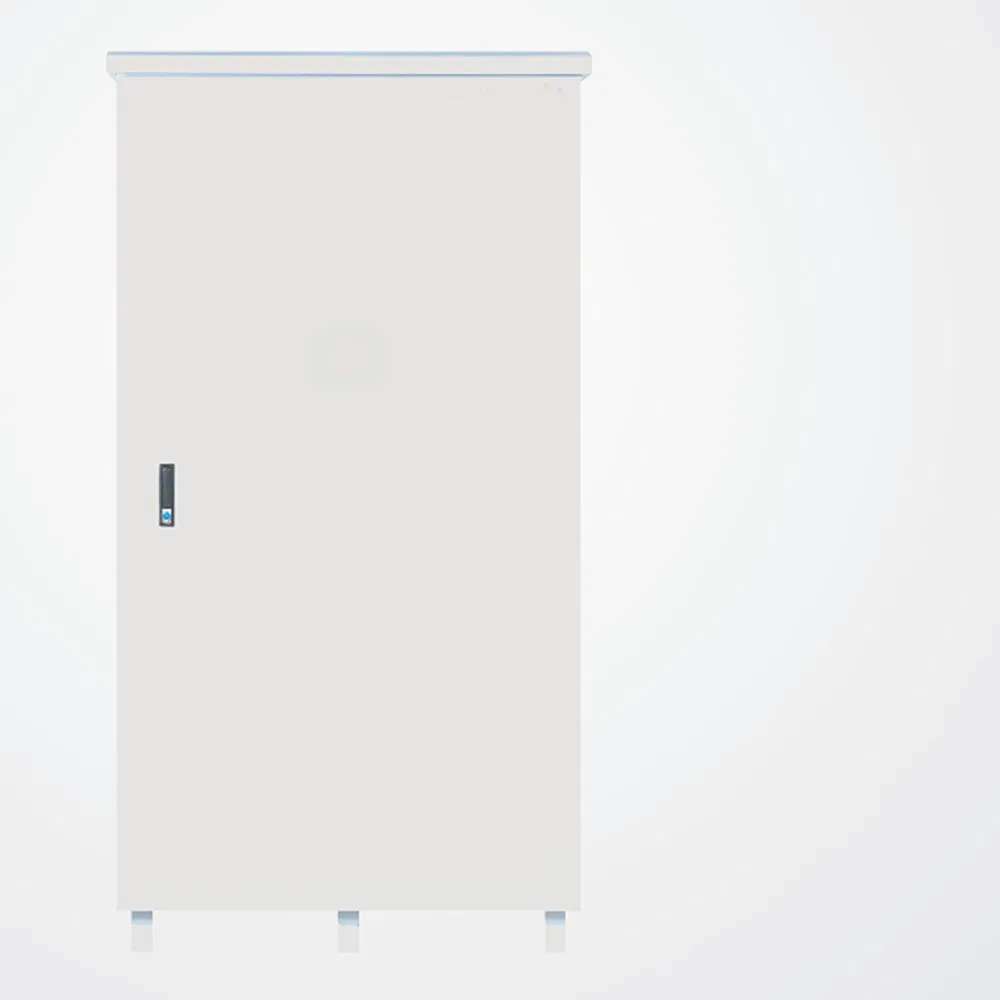
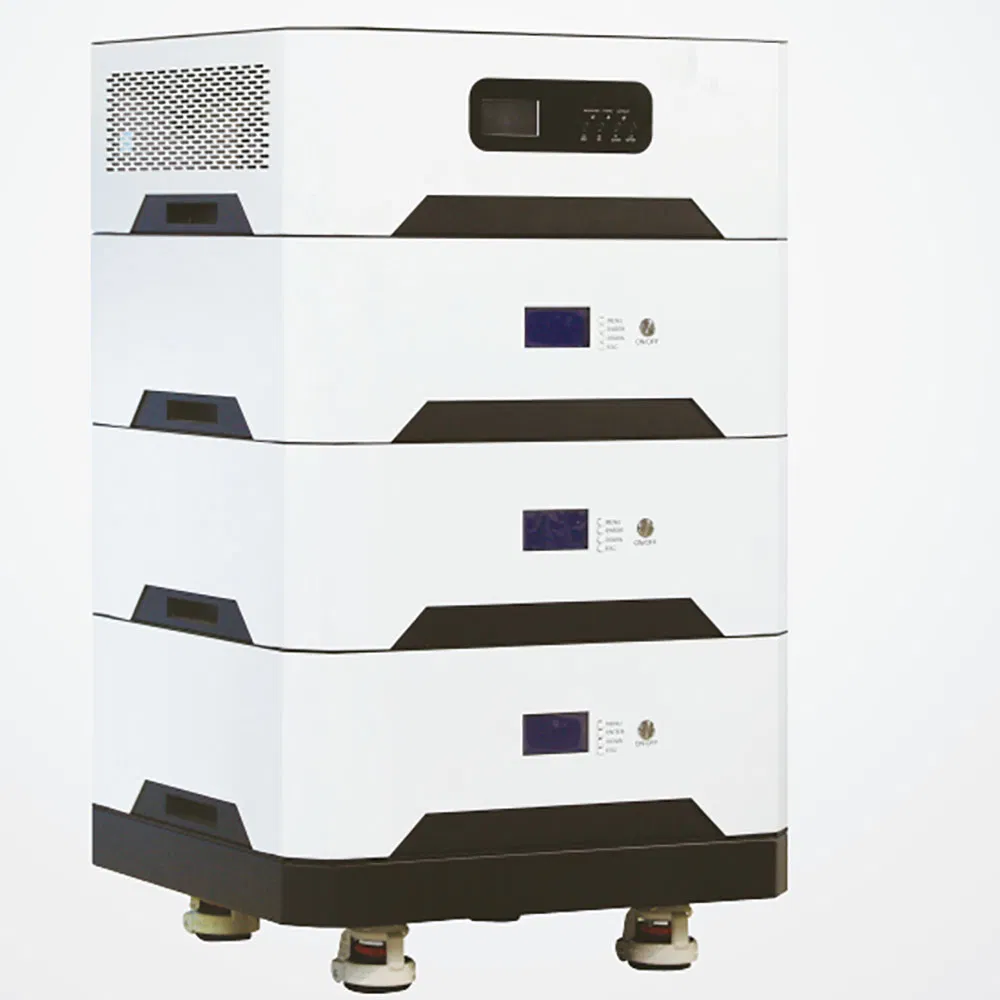
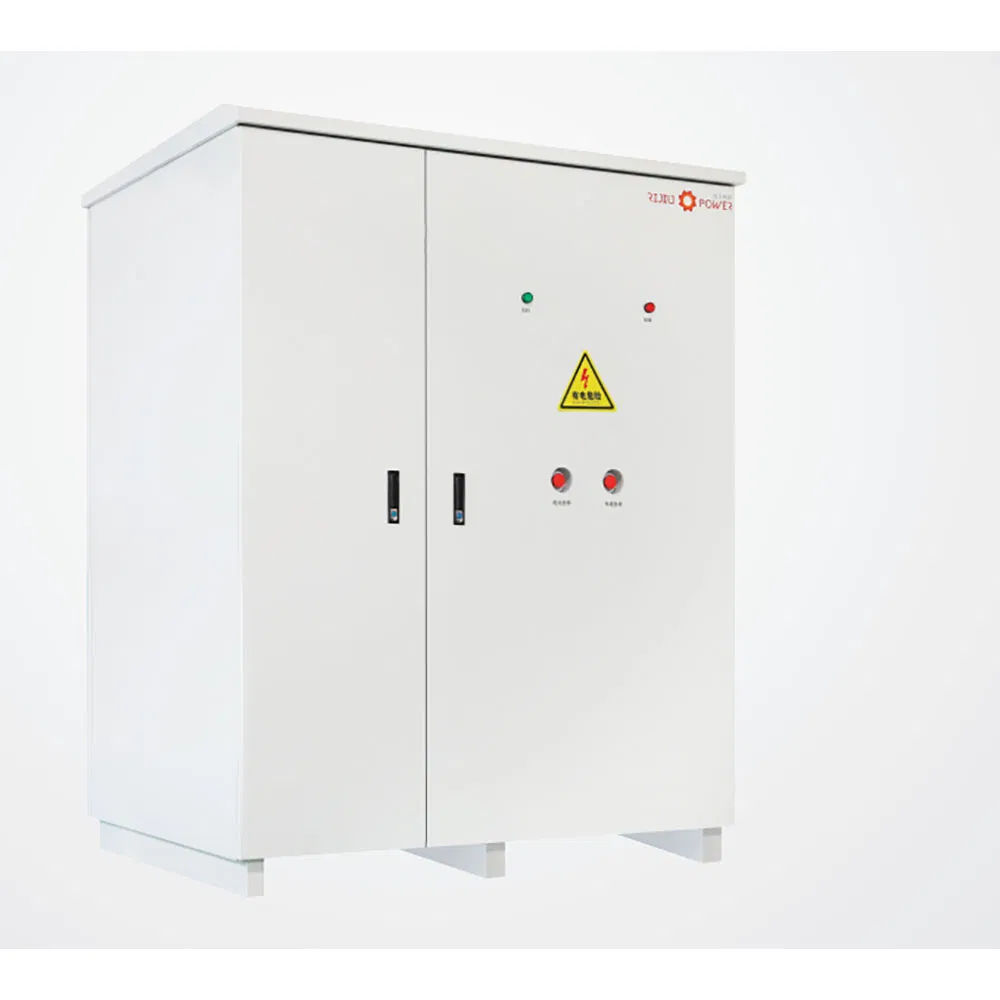
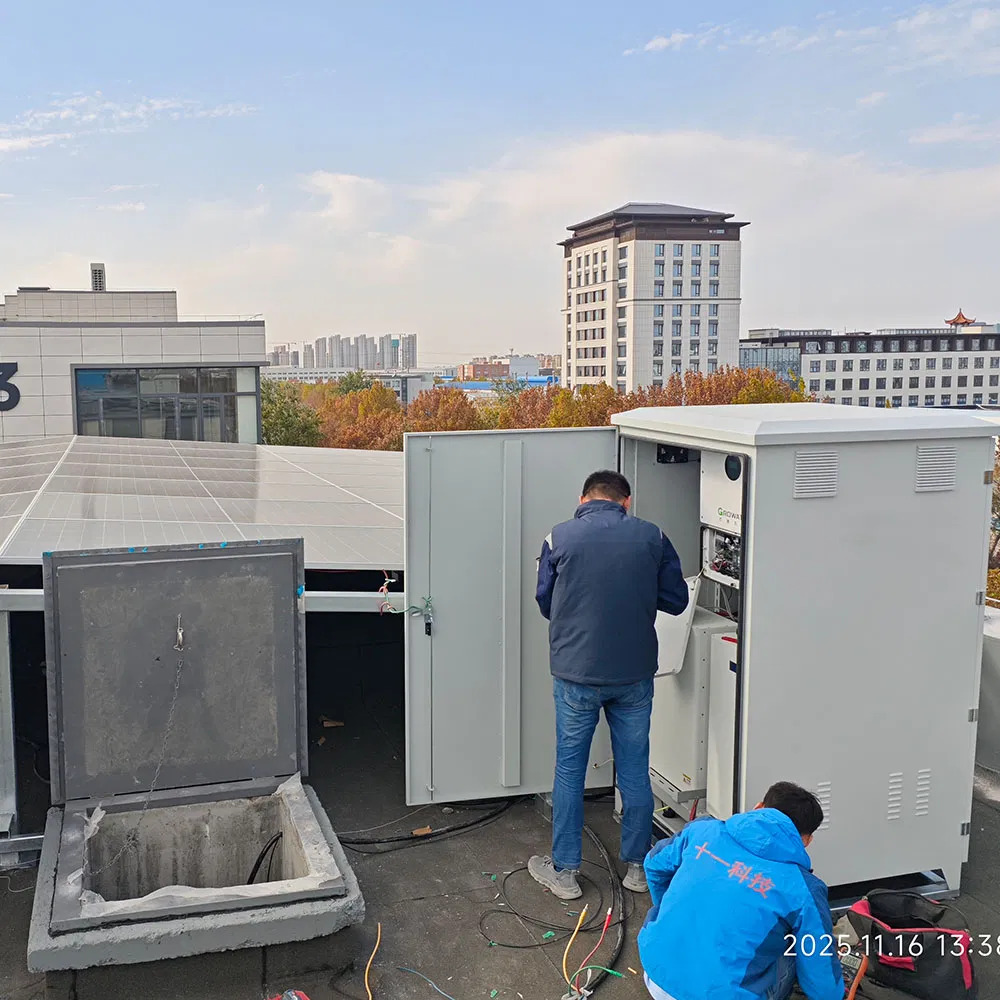
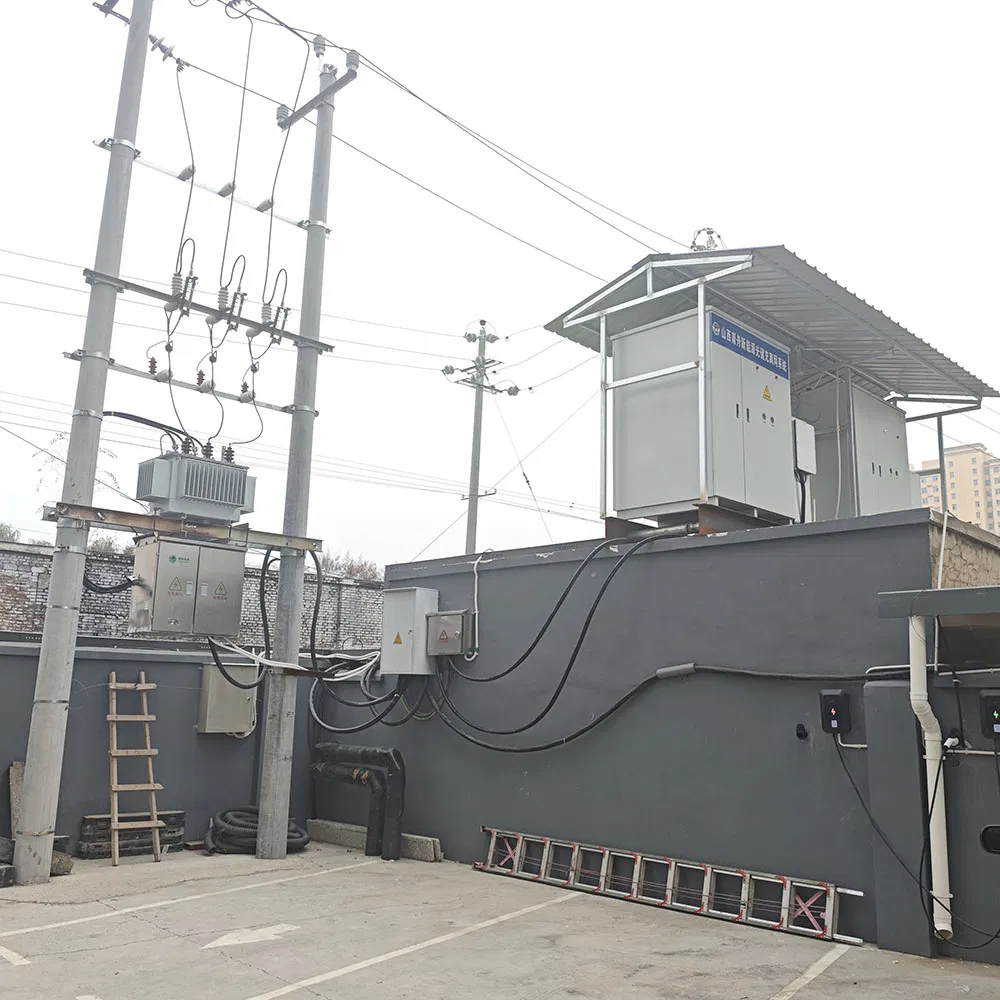
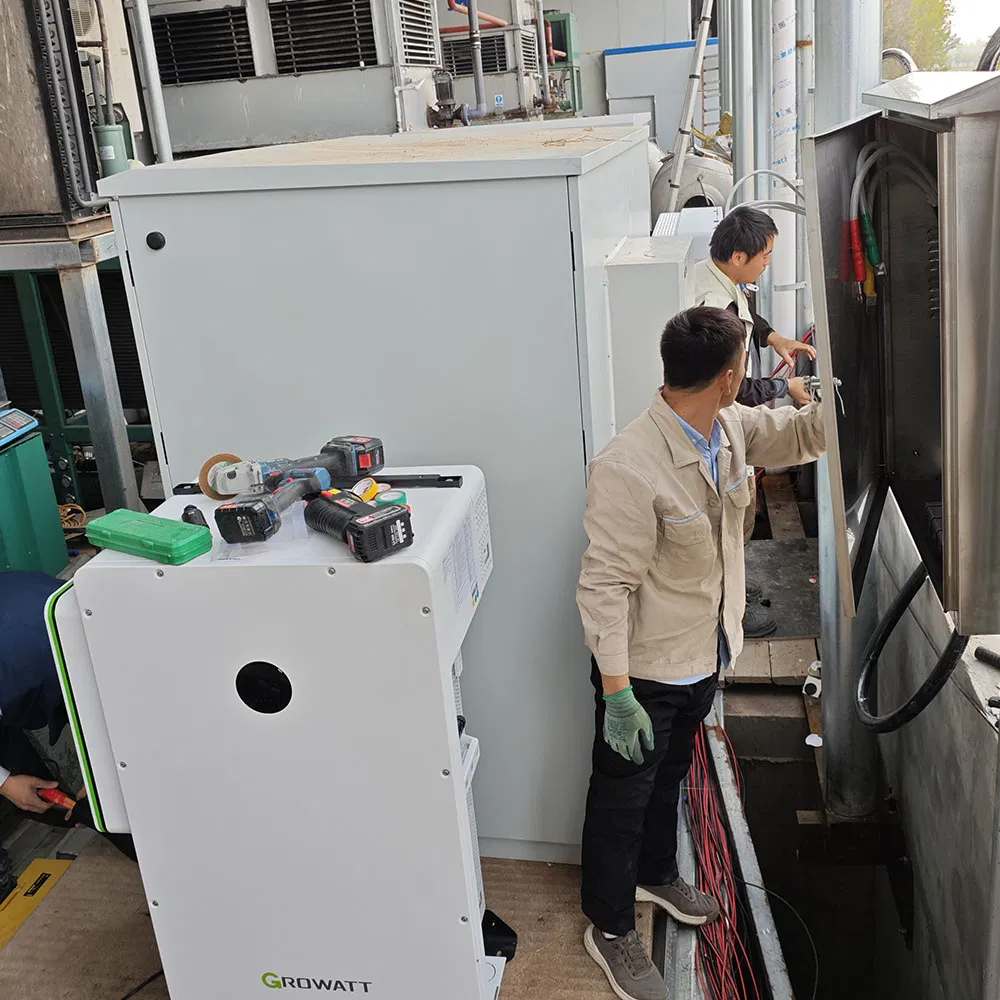
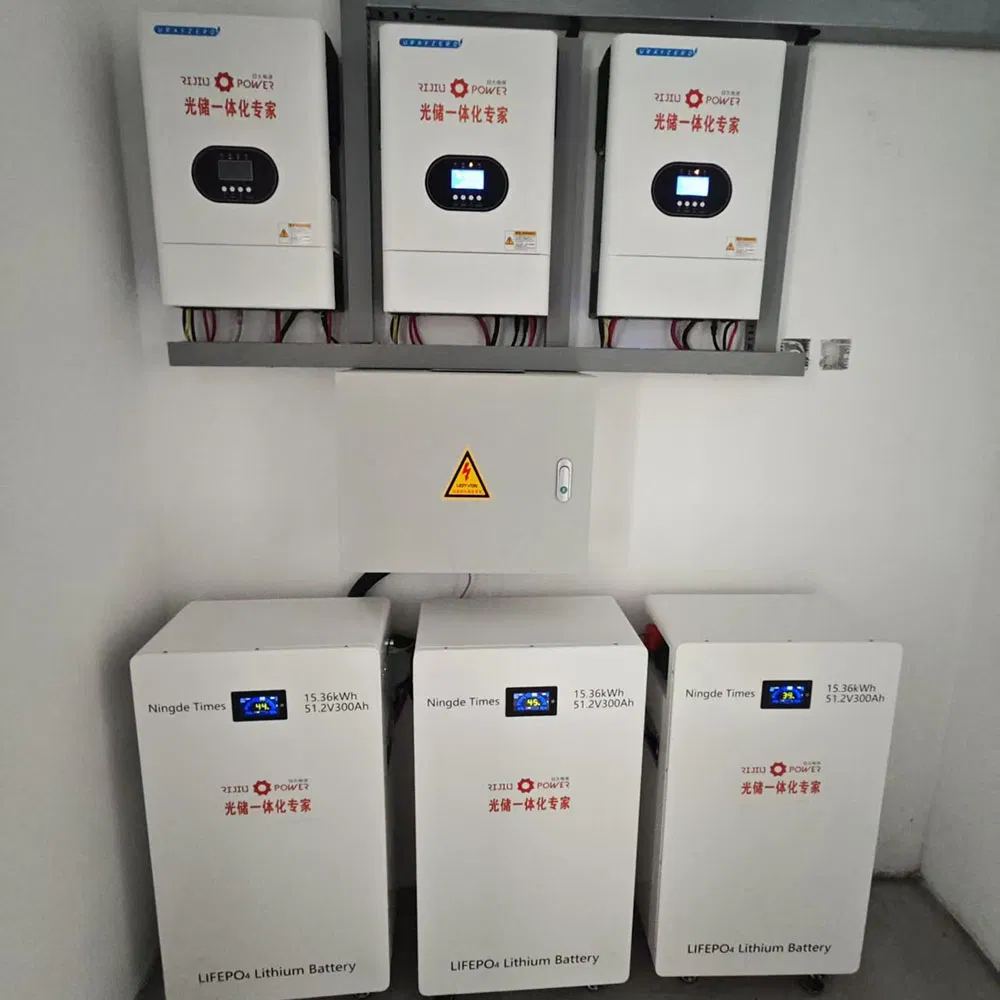
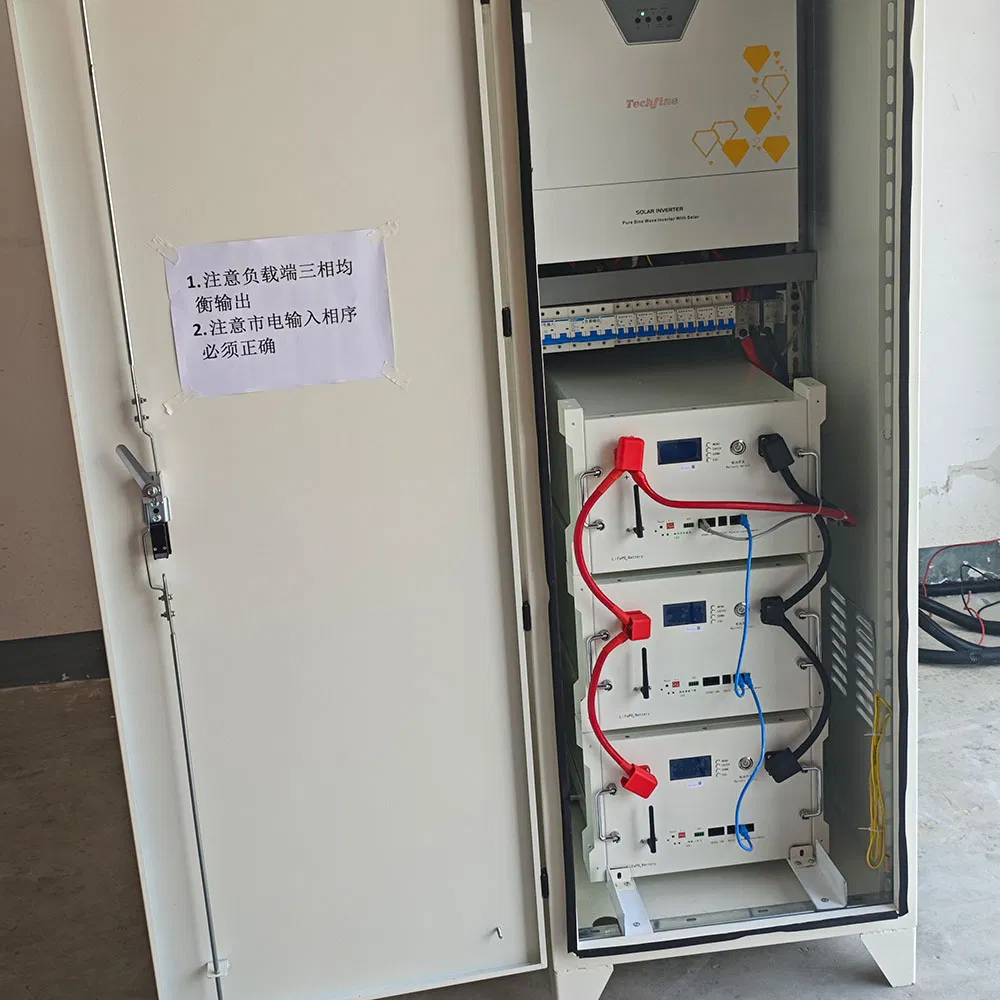
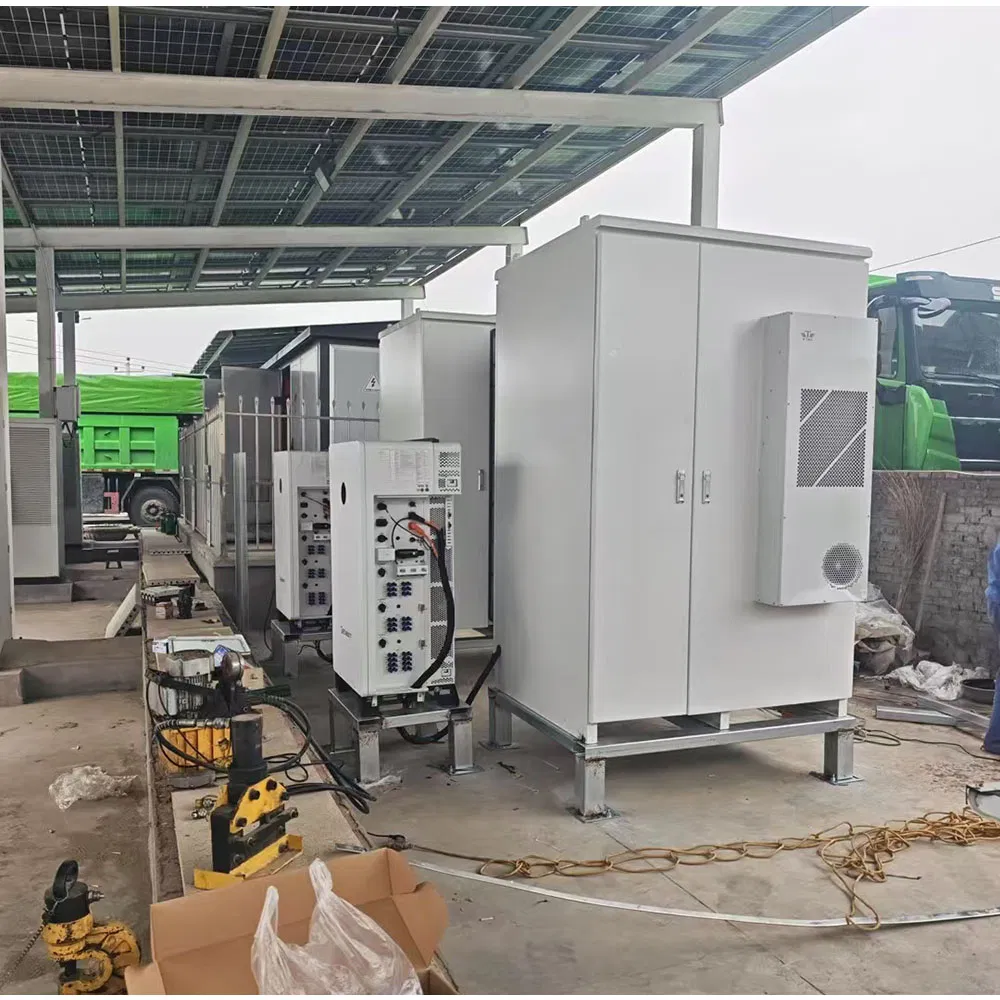
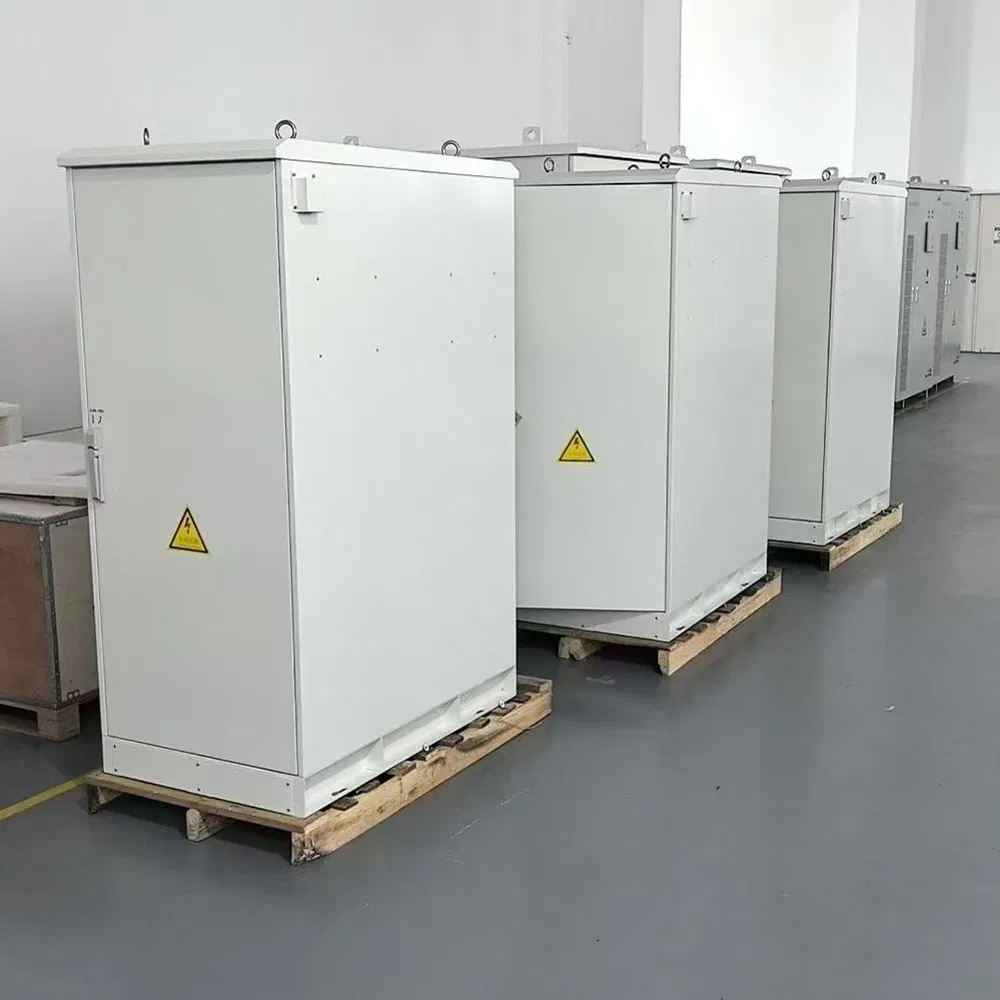
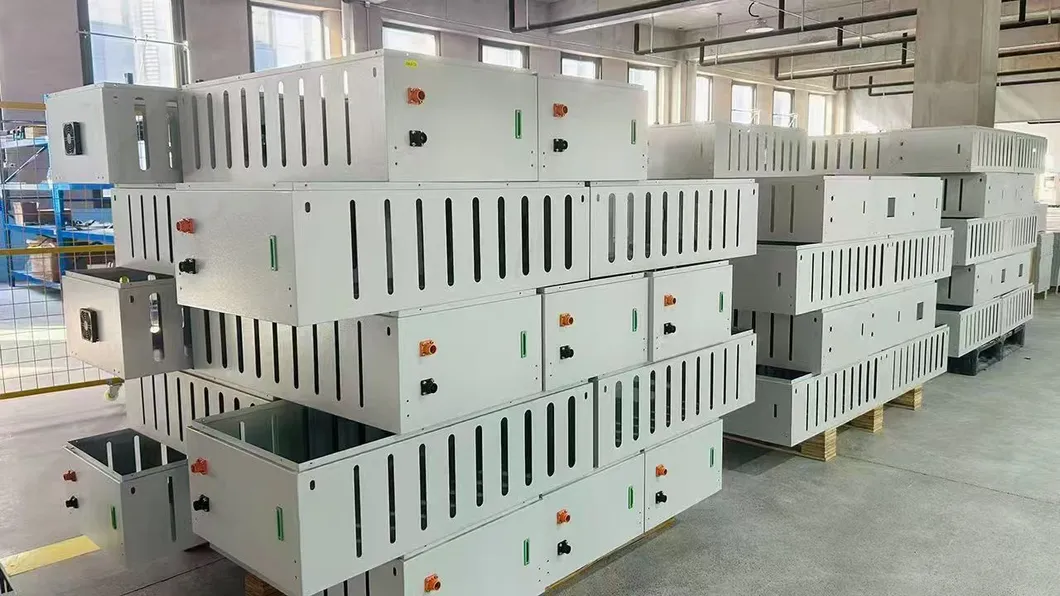
As a professional and innovative manufacturer dedicated to providing comprehensive lithium battery solutions, we specialize in OEM and ODM services, transforming concepts into reliable, high-performance power products. Our core mission is to empower businesses and households with safe, efficient, and customizable energy storage systems, built on technical expertise and a steadfast commitment to quality.
Our capabilities span the entire value chain of energy storage. We supply a diverse range of high-quality battery cells (cylindrical, Li-Po, and LiFePO4) and expertly integrate them into custom battery packs and modules tailored to specific voltage, capacity, and application requirements.
Quality and reliability are embedded in every stage of our process, from rigorous raw material screening and automated precision manufacturing to exhaustive testing protocols. We ensure every product meets international safety and performance standards. Our partnership extends beyond delivery, offering robust technical support and flexible warranty policies.