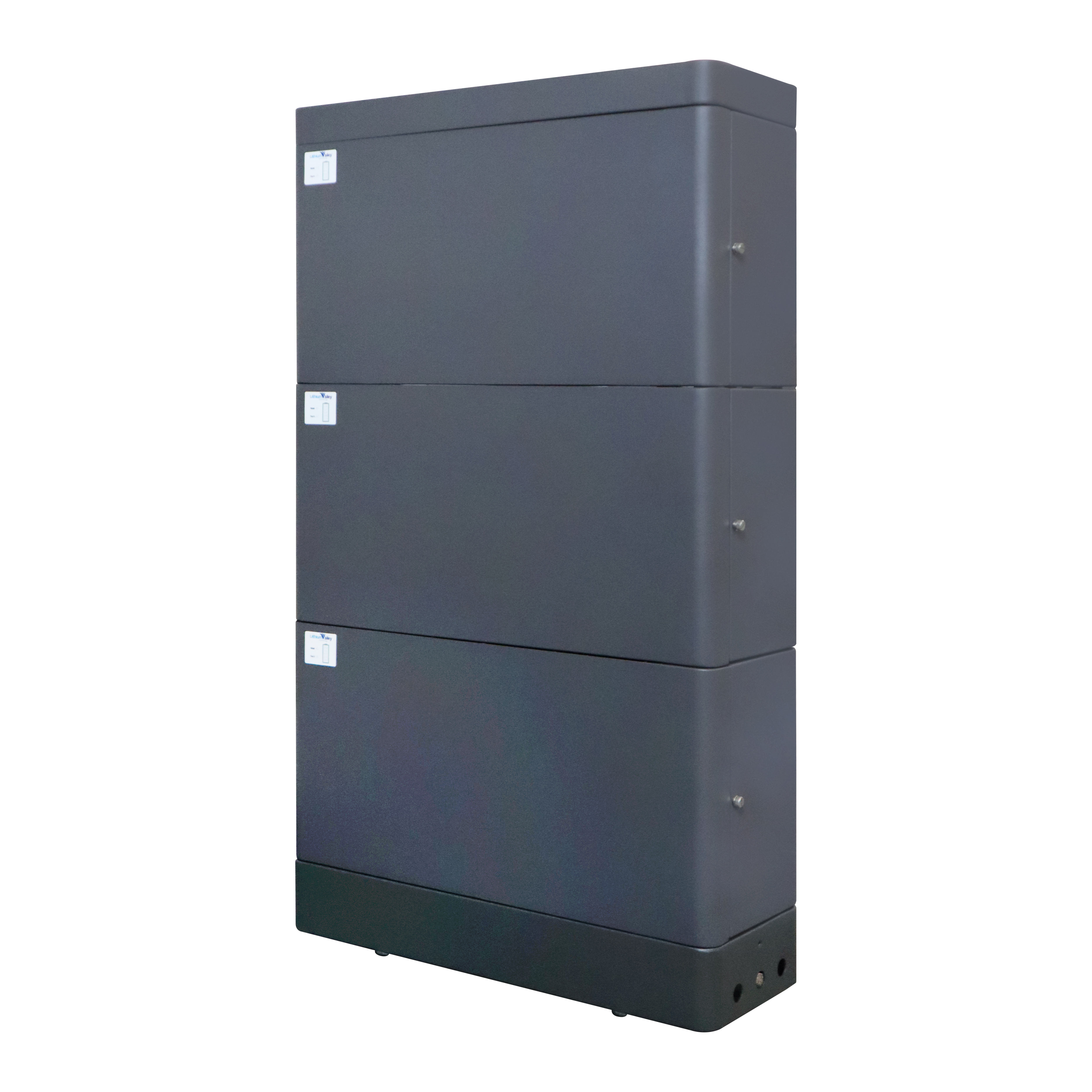
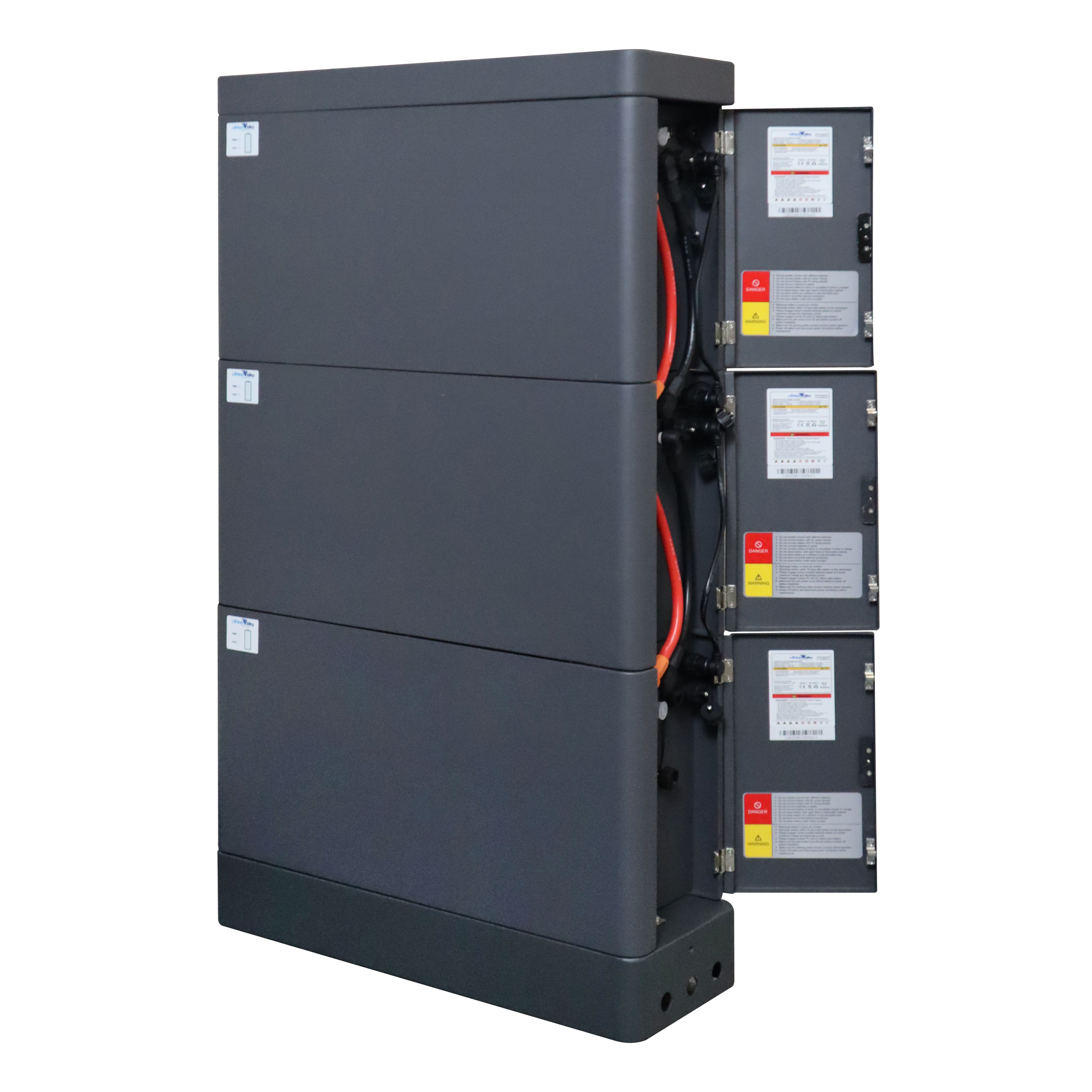
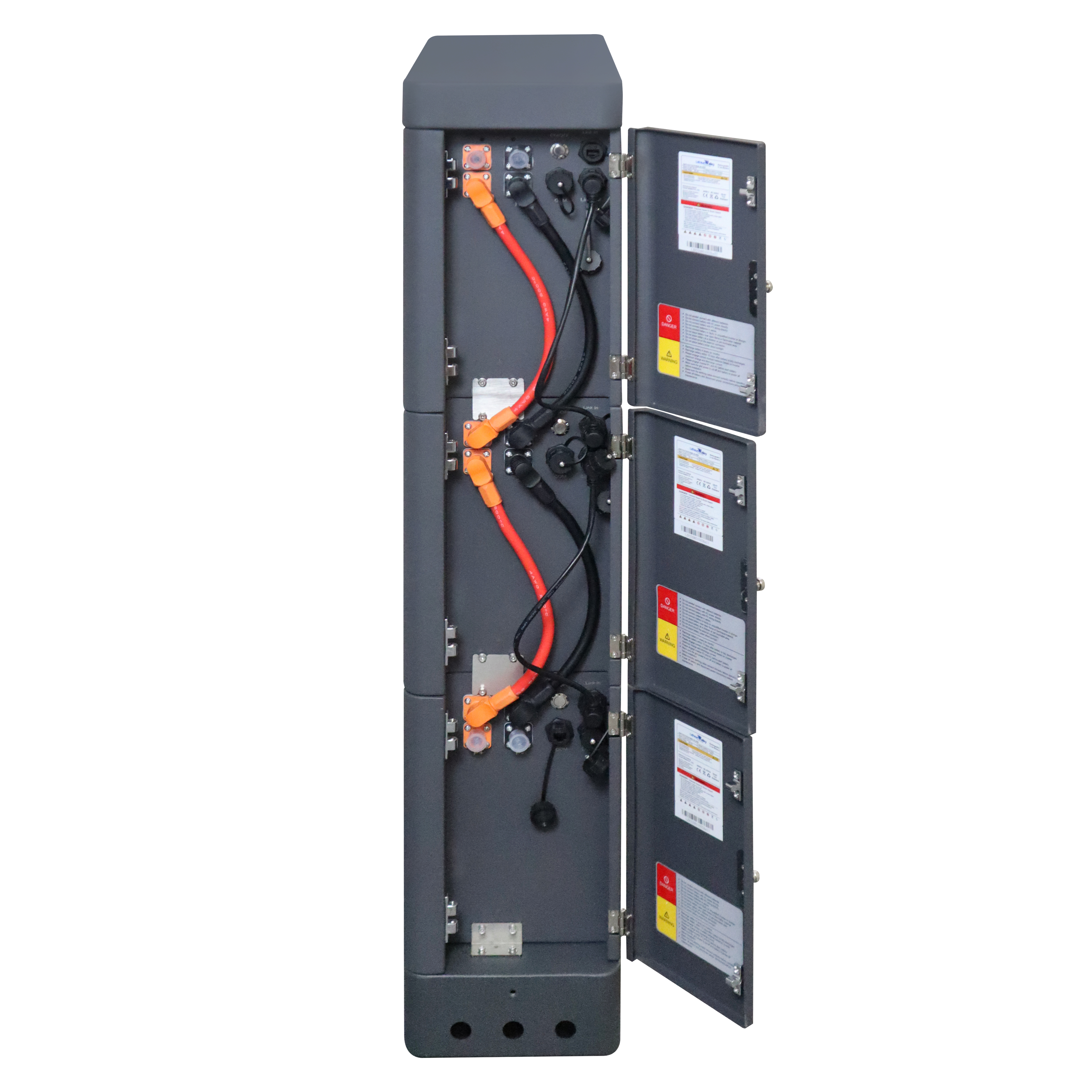
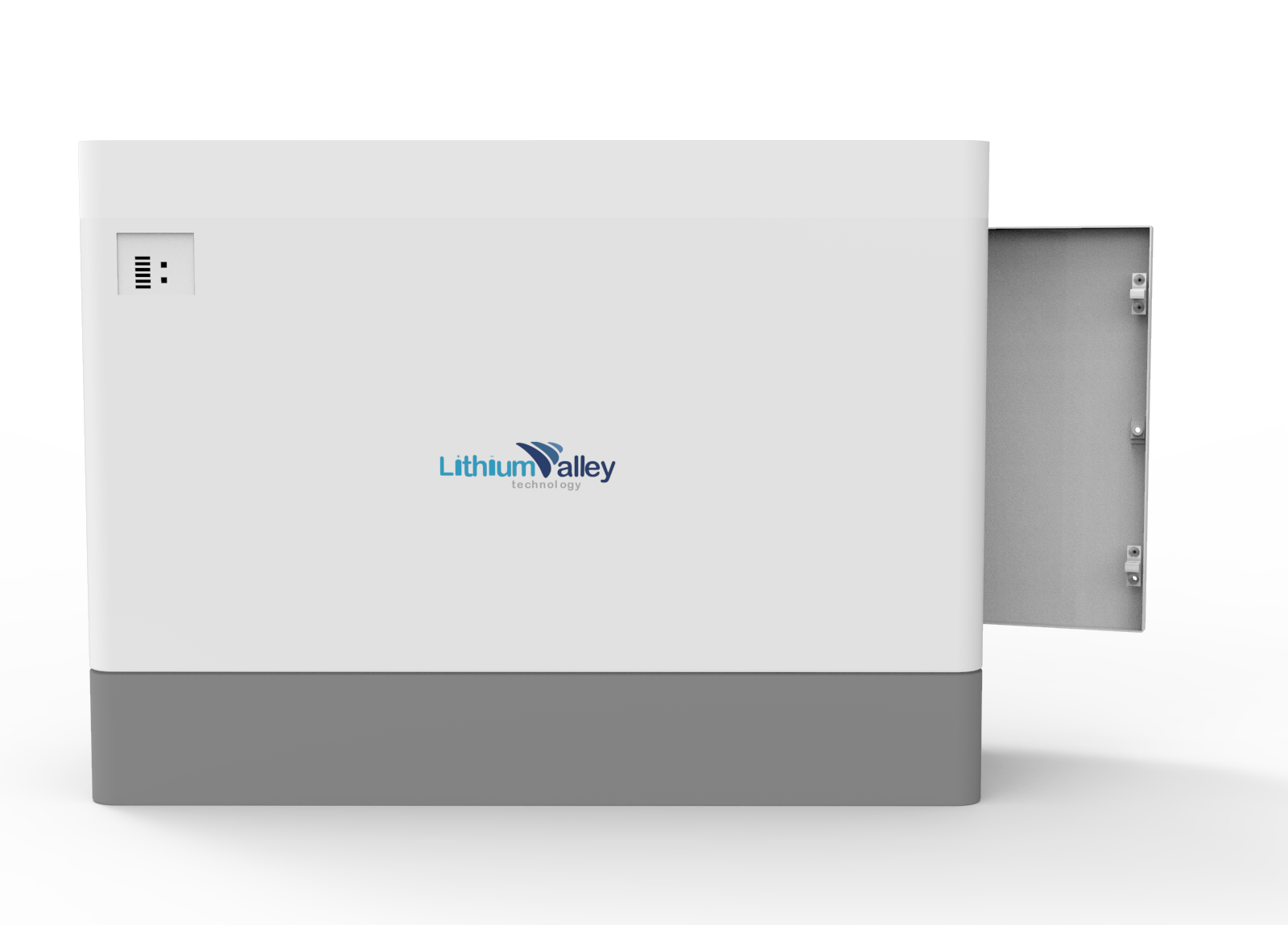
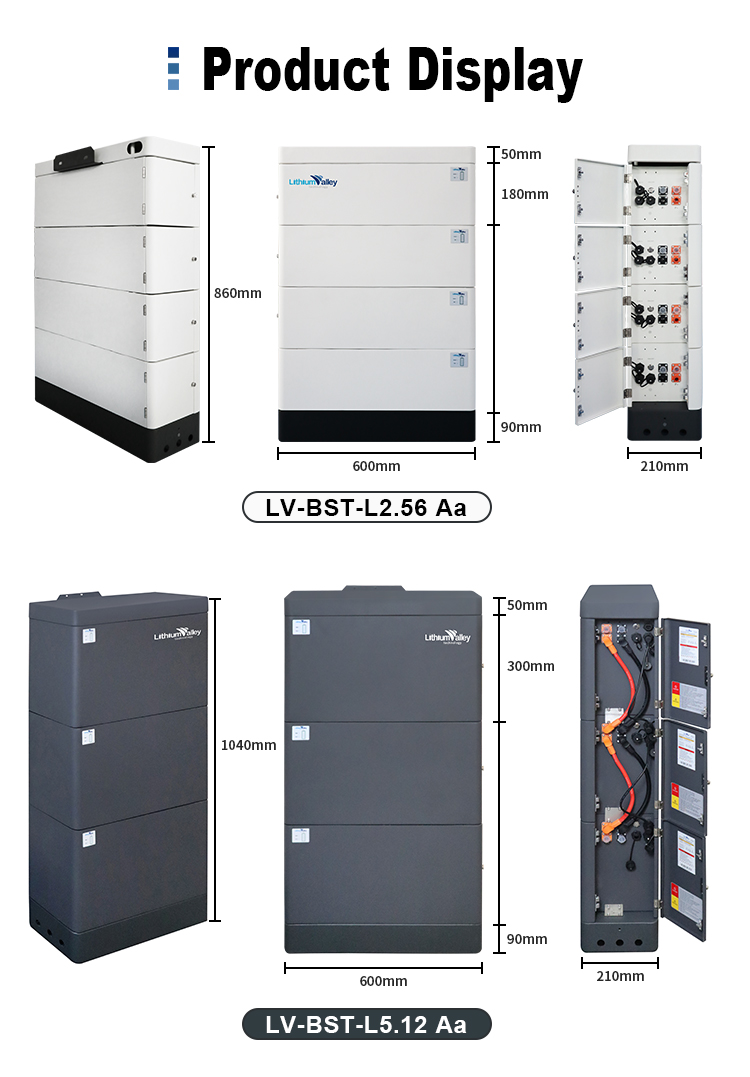
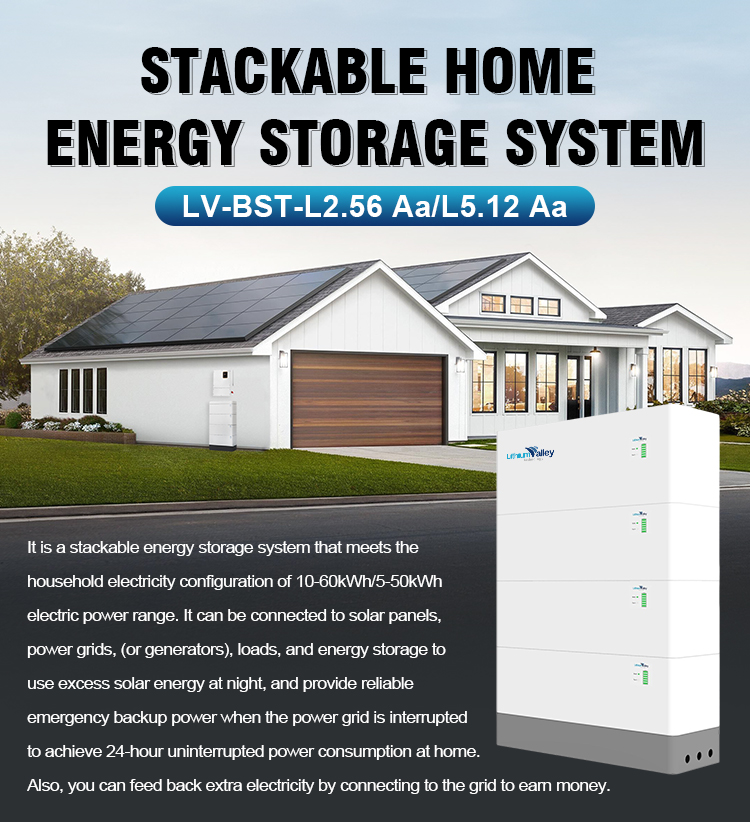
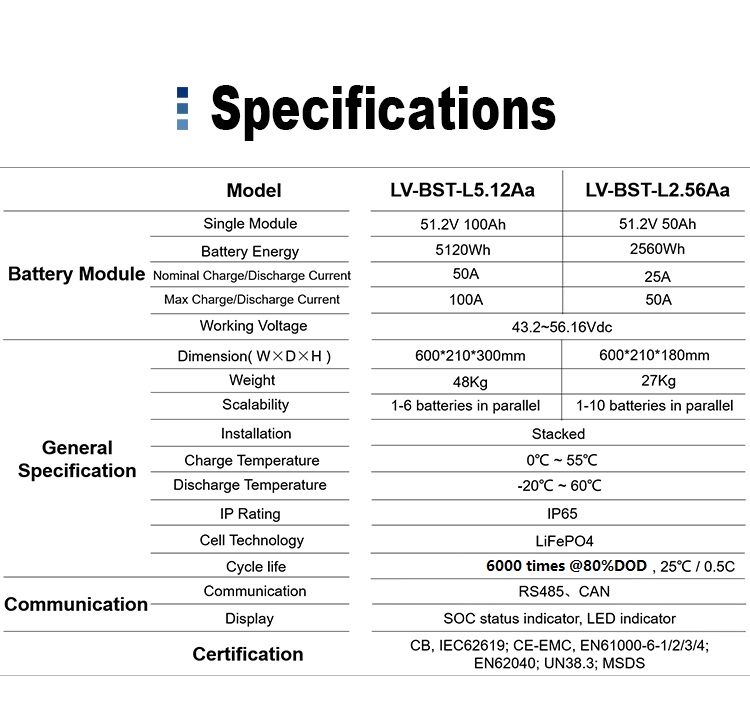
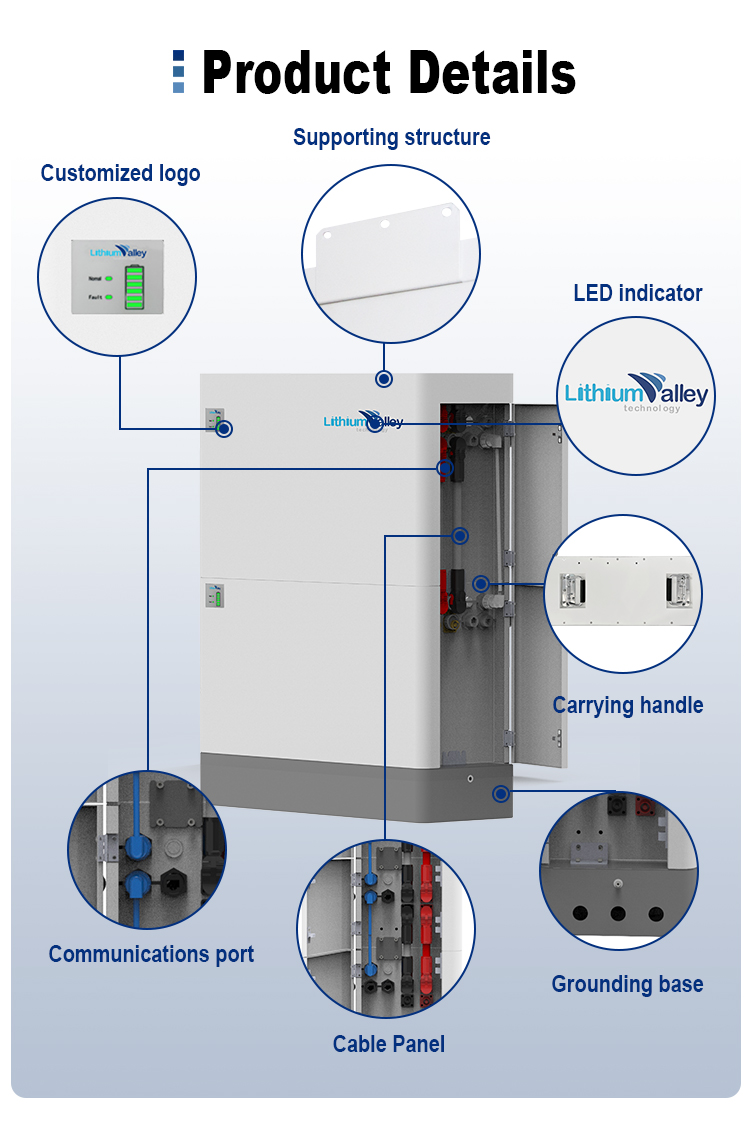
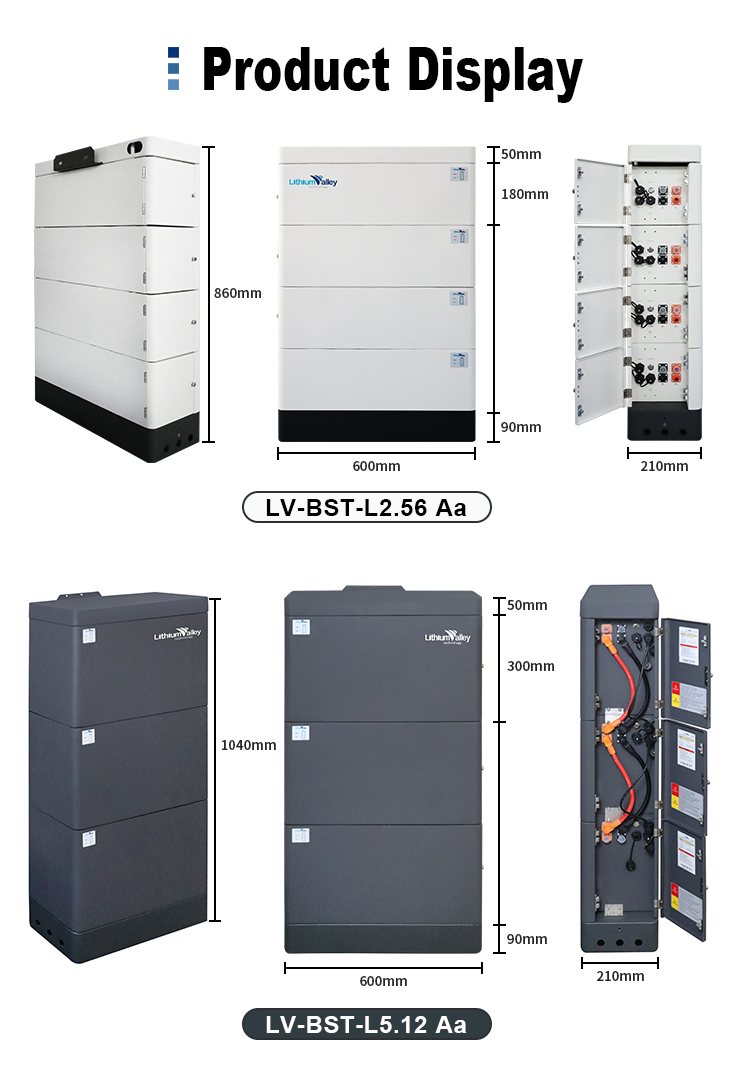
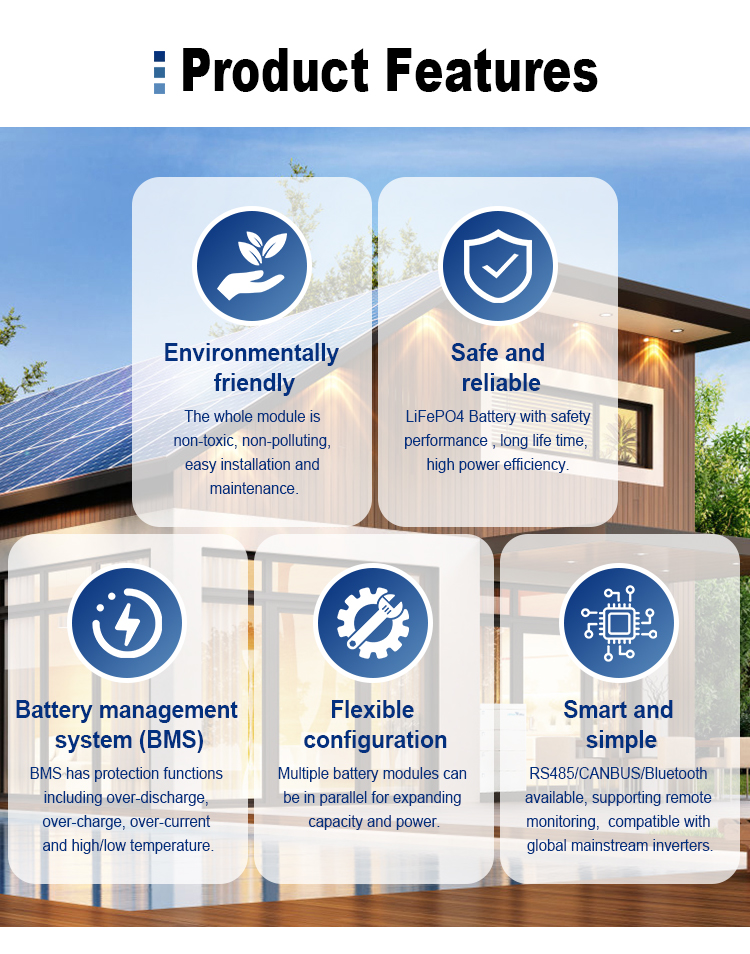
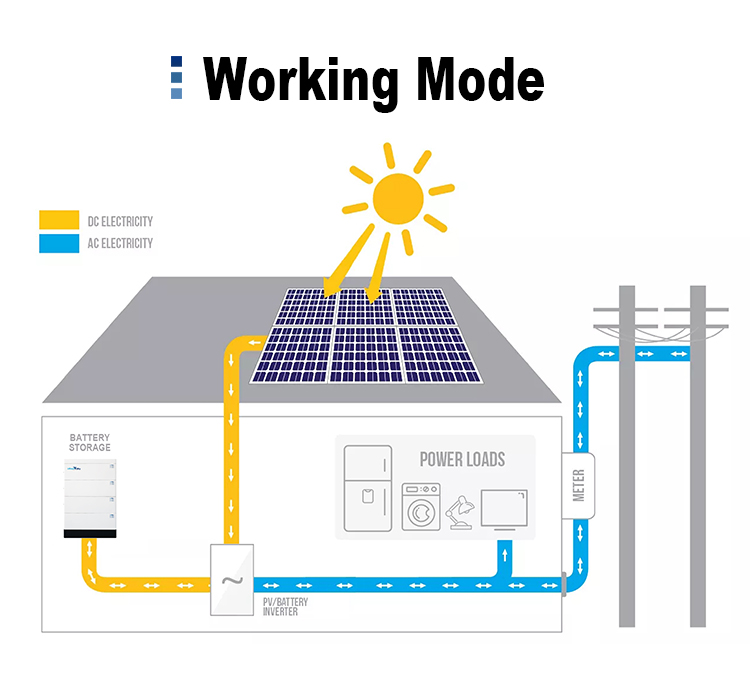
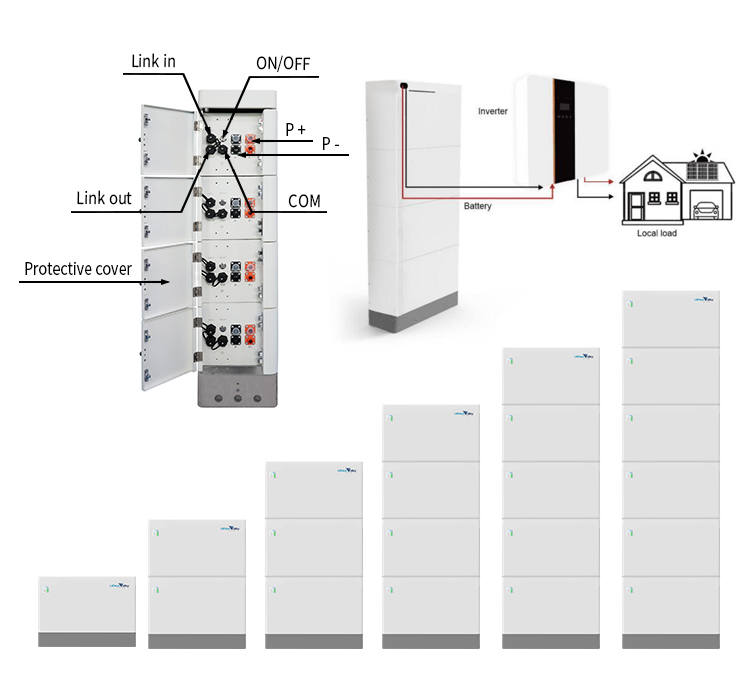
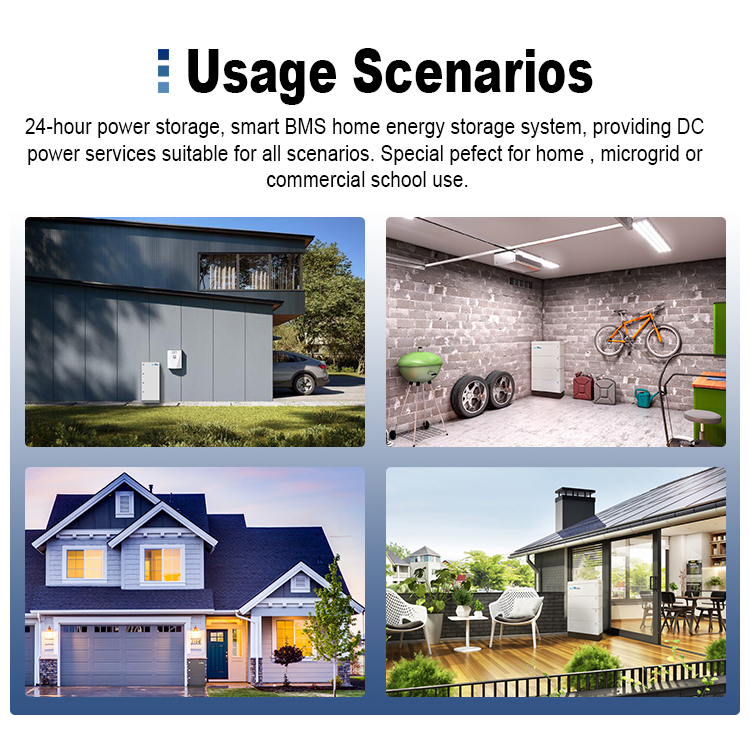
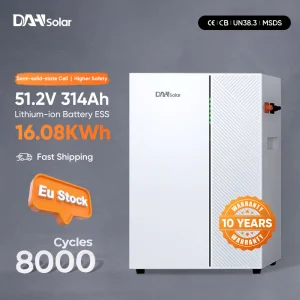
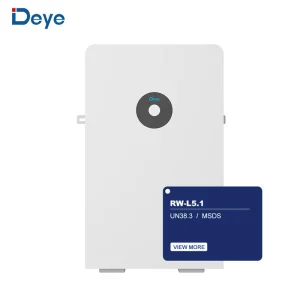
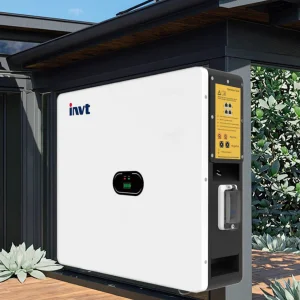
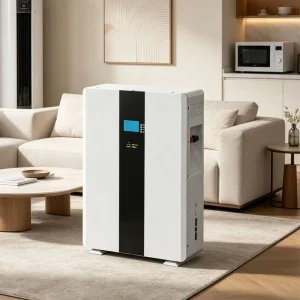
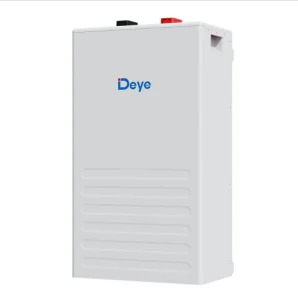
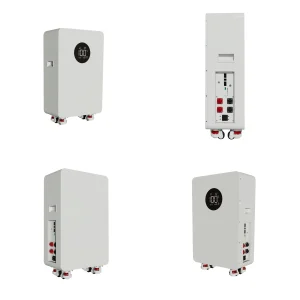
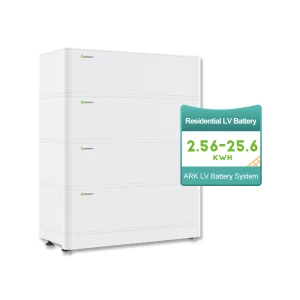
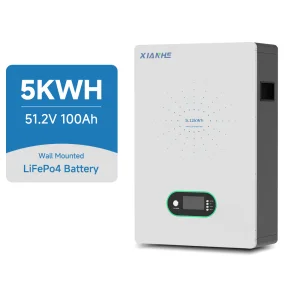
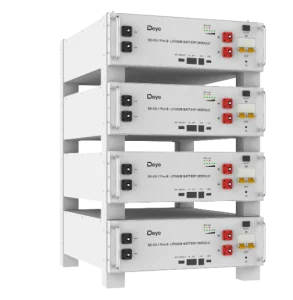
Product Description
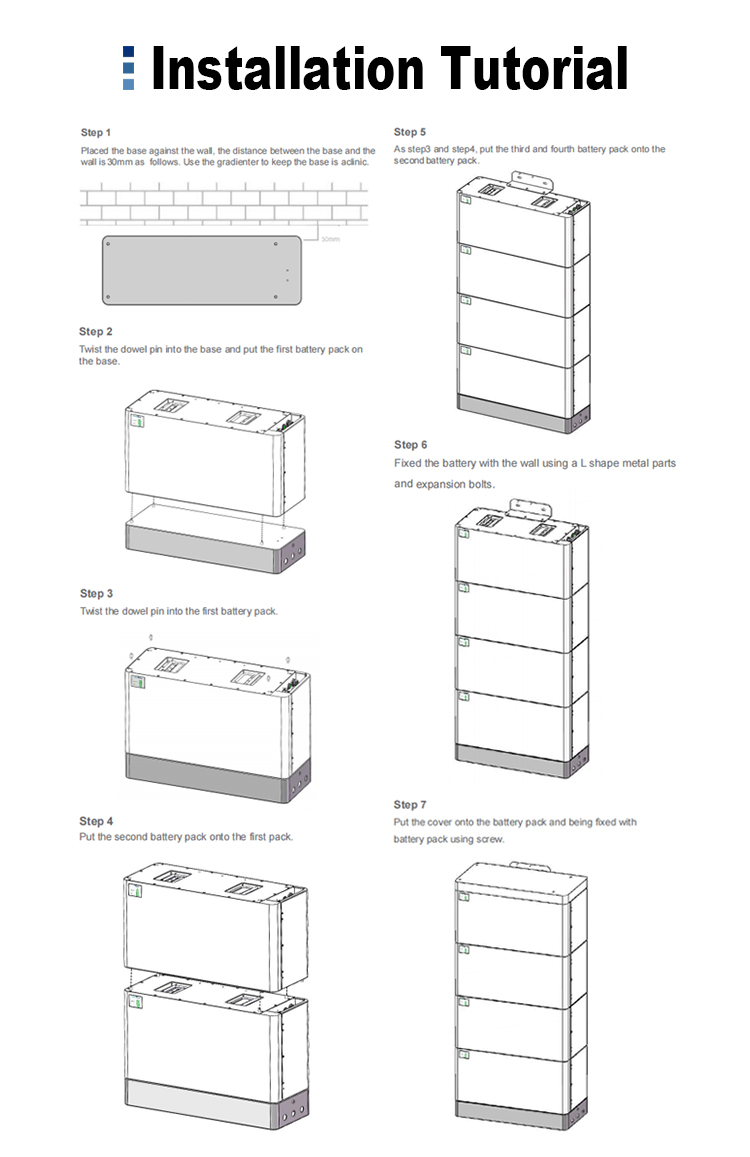
Installation Tutorial
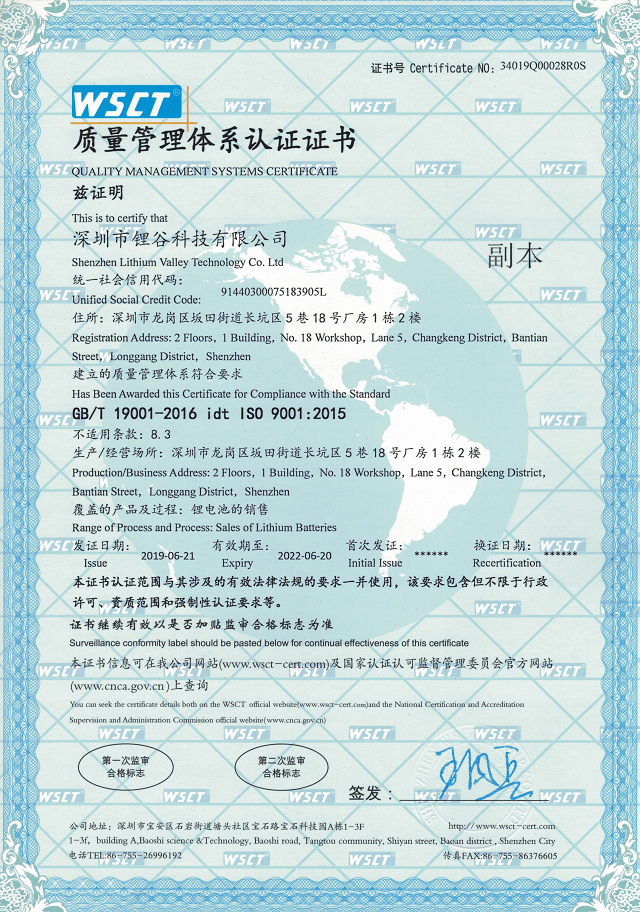
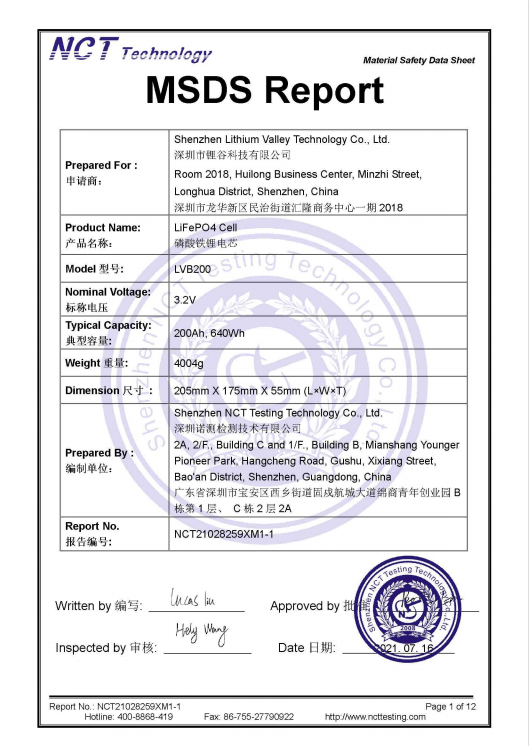
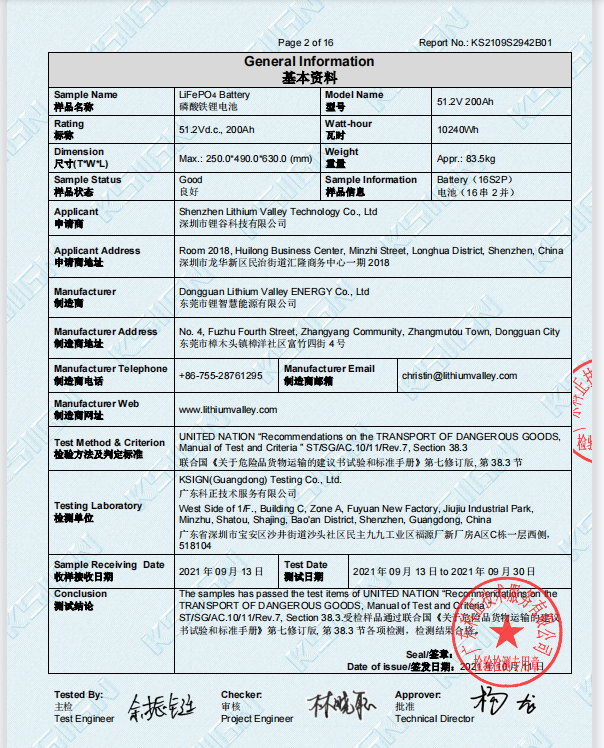
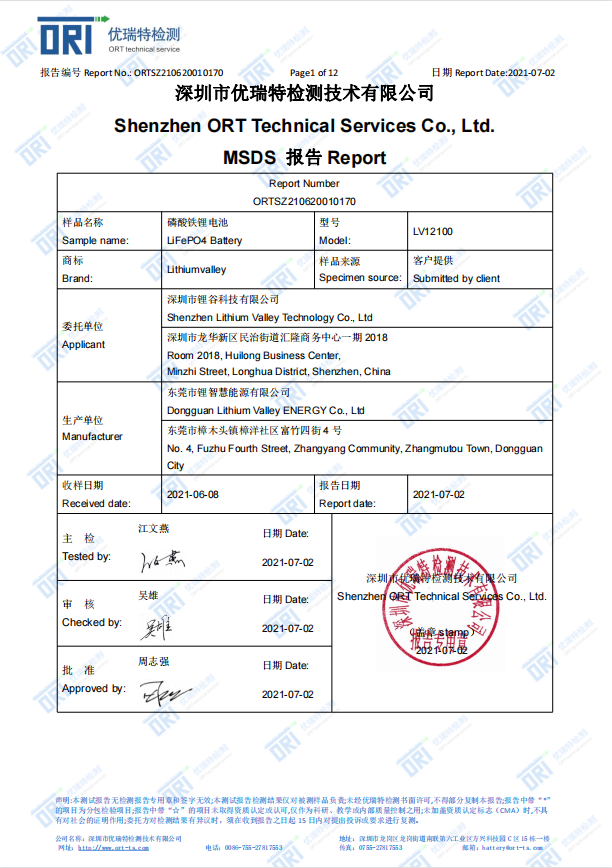
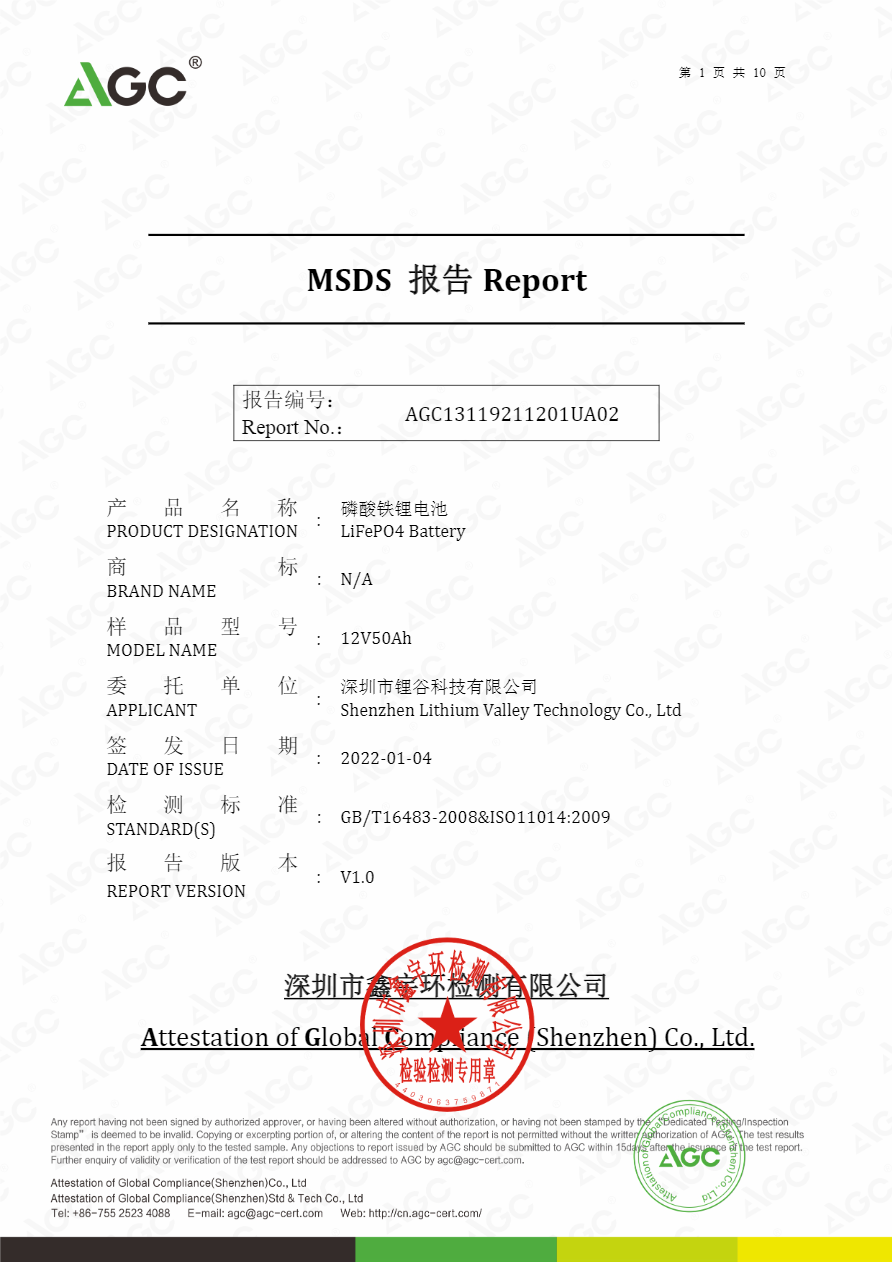
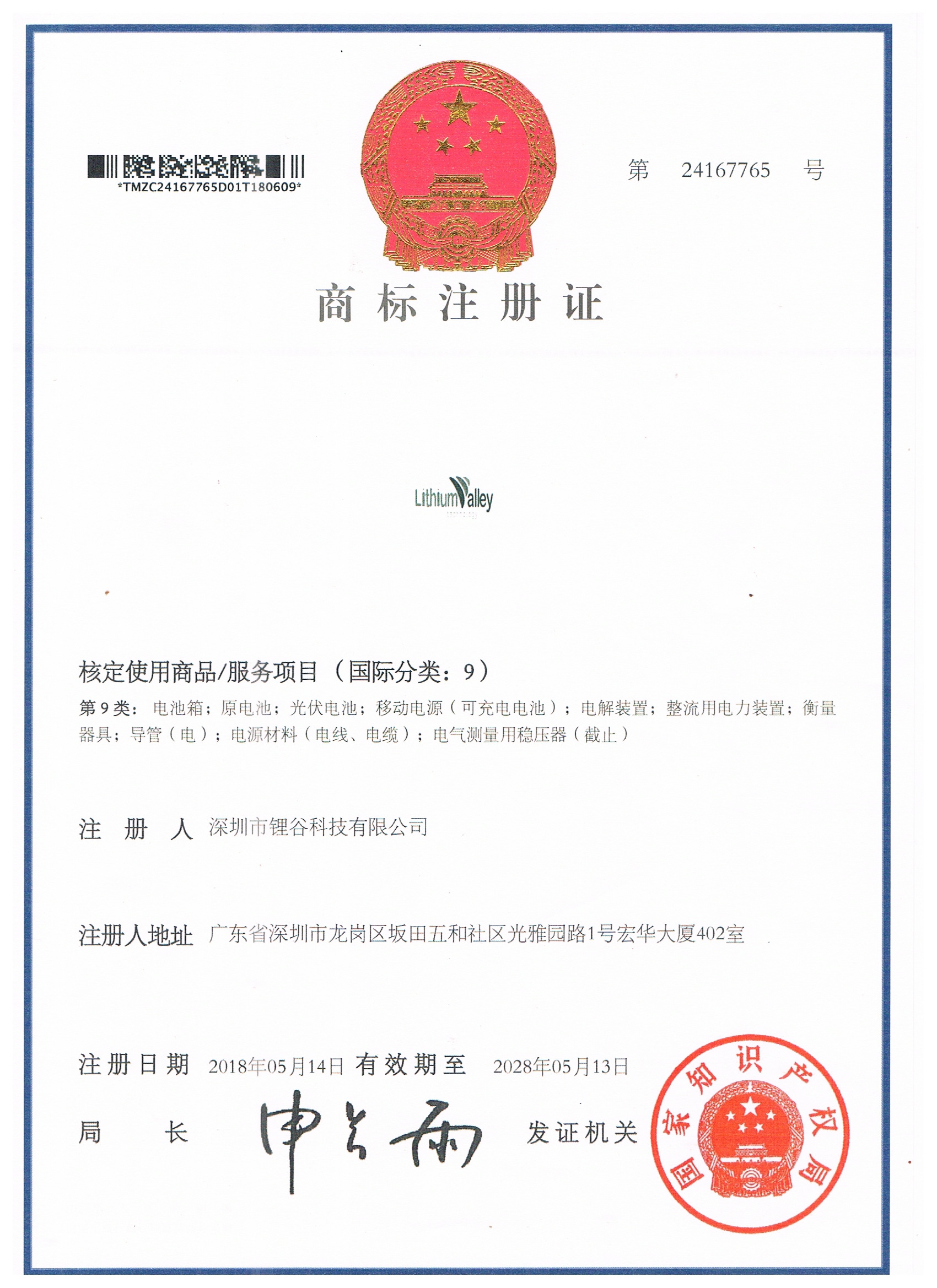
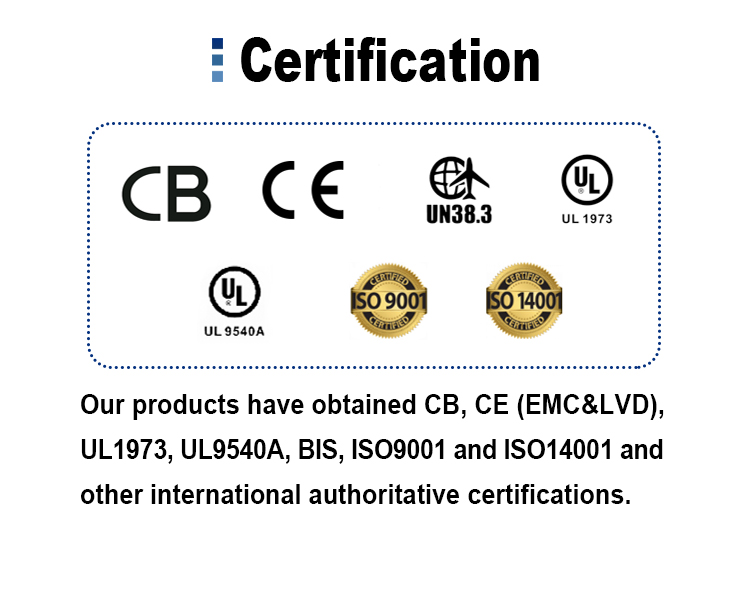
Certifications
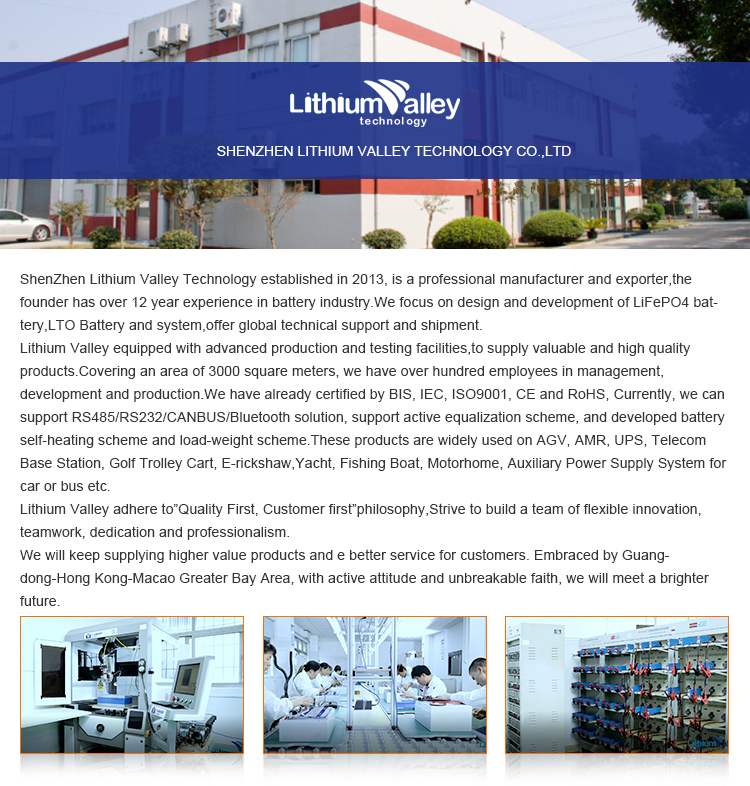
Company Profile
Our Partners
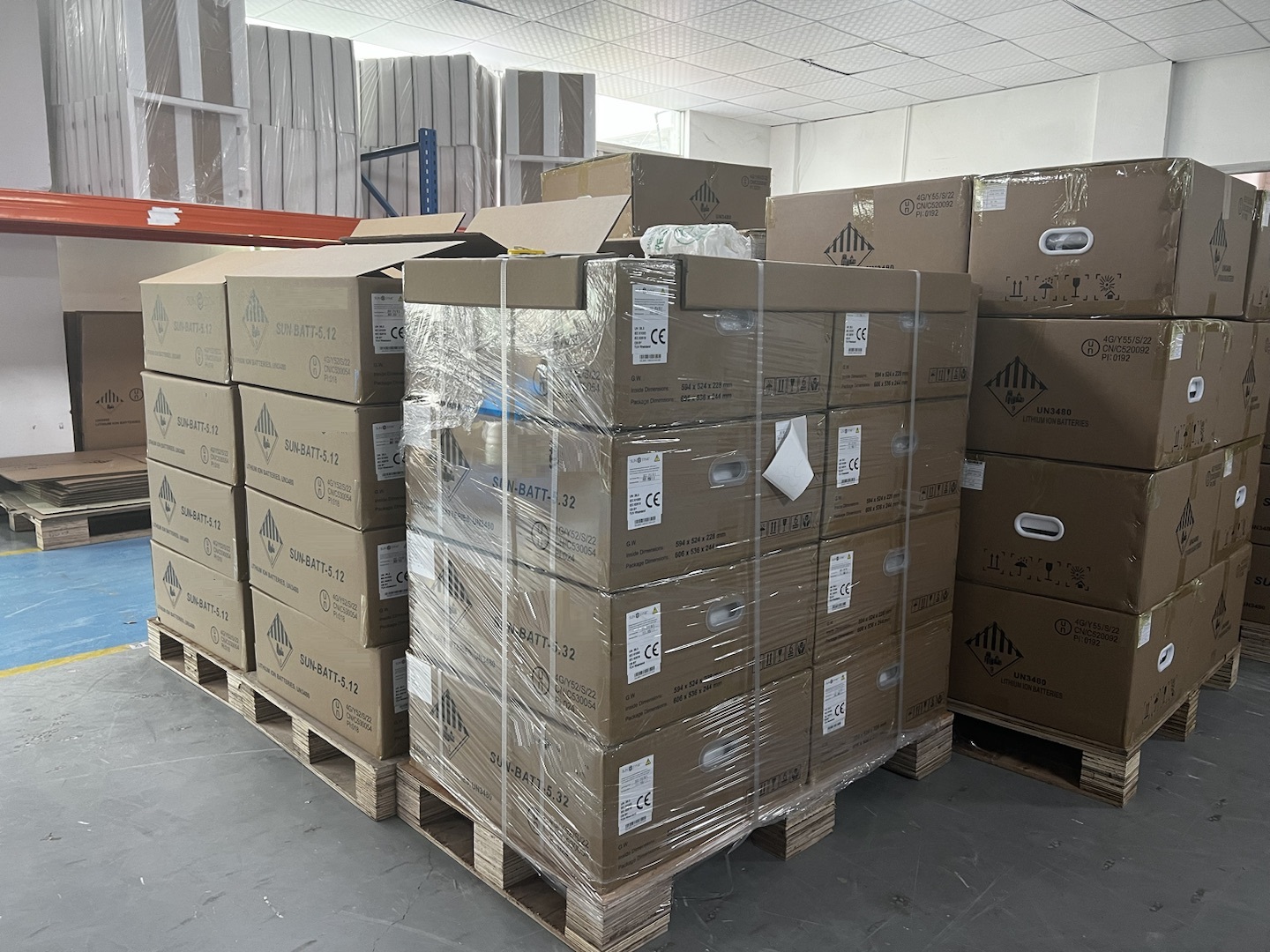
Packing & Delivery
Frequently Asked Questions
How do you provide warranty for the batteries?
We offer a 5-year warranty for all our battery packs. If a problem occurs during proper use within the warranty period, we provide new parts for free and guide the replacement. If it cannot be repaired, we replace the product at no cost.
What is the lead time for mass production?
It depends on stock availability. With stock, it takes 3-7 days. Without stock, it typically takes 20-25 days depending on your order quantity.
How do you control product quality?
We are ISO9001 certified. We implement QC control from incoming materials through production to delivery. Battery cells undergo aging tests and capacity grading before leaving the factory to ensure performance.
Can we connect LiFePO4 battery packs in parallel or series?
Yes. However, ensure voltage and capacity are identical before parallel connection. For series connection, please inform us in advance so we can select the appropriate BMS for your total system capacity.
How should we maintain the health of an LFP Battery?
Keep them in a clean, dry, ventilated environment (4-35℃). Avoid extreme temperatures and contact with corrosive substances. For low-usage scenarios, a complete monthly charge and discharge cycle is recommended.
What is the difference between Single-phase and 3-phase UPS?
Single-phase (230V) uses one sine wave and is suitable for loads under 20kVA. Three-phase (415V) uses three sine waves for larger industrial loads. The choice depends on the specific power requirements of your equipment.
 Ansar Energy