Ansar Energy
1 / 5

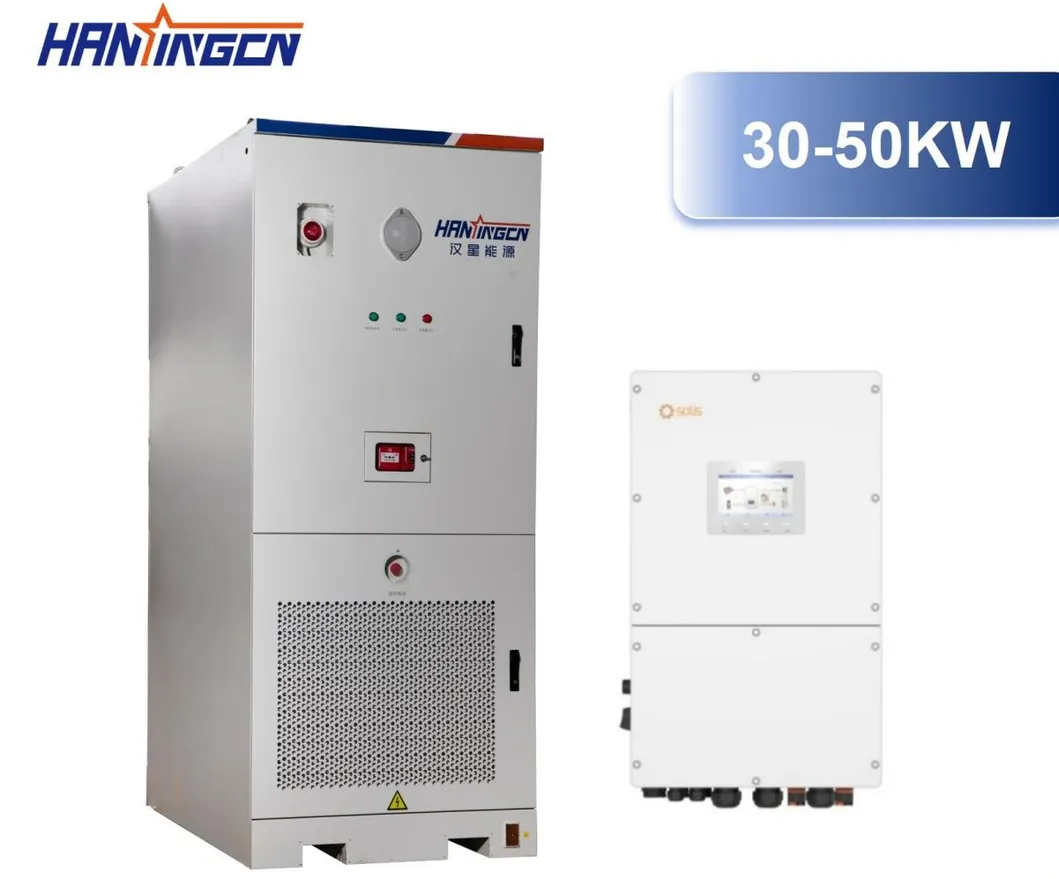
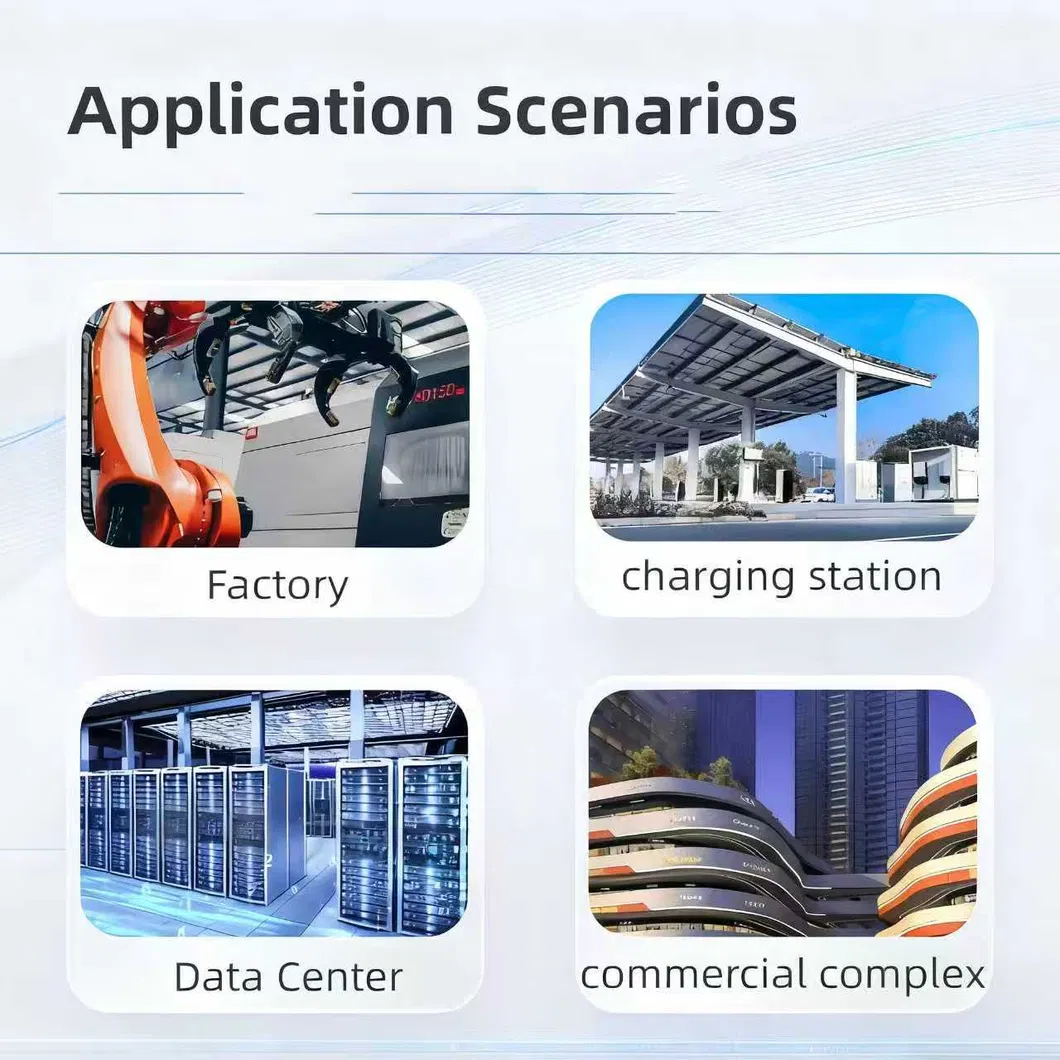
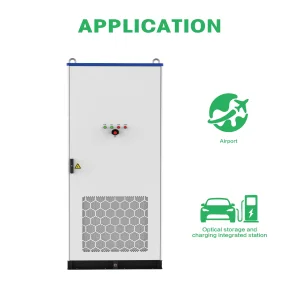
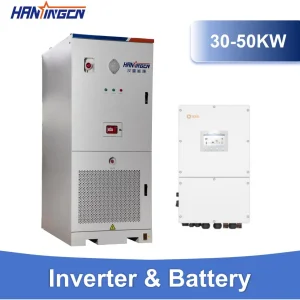
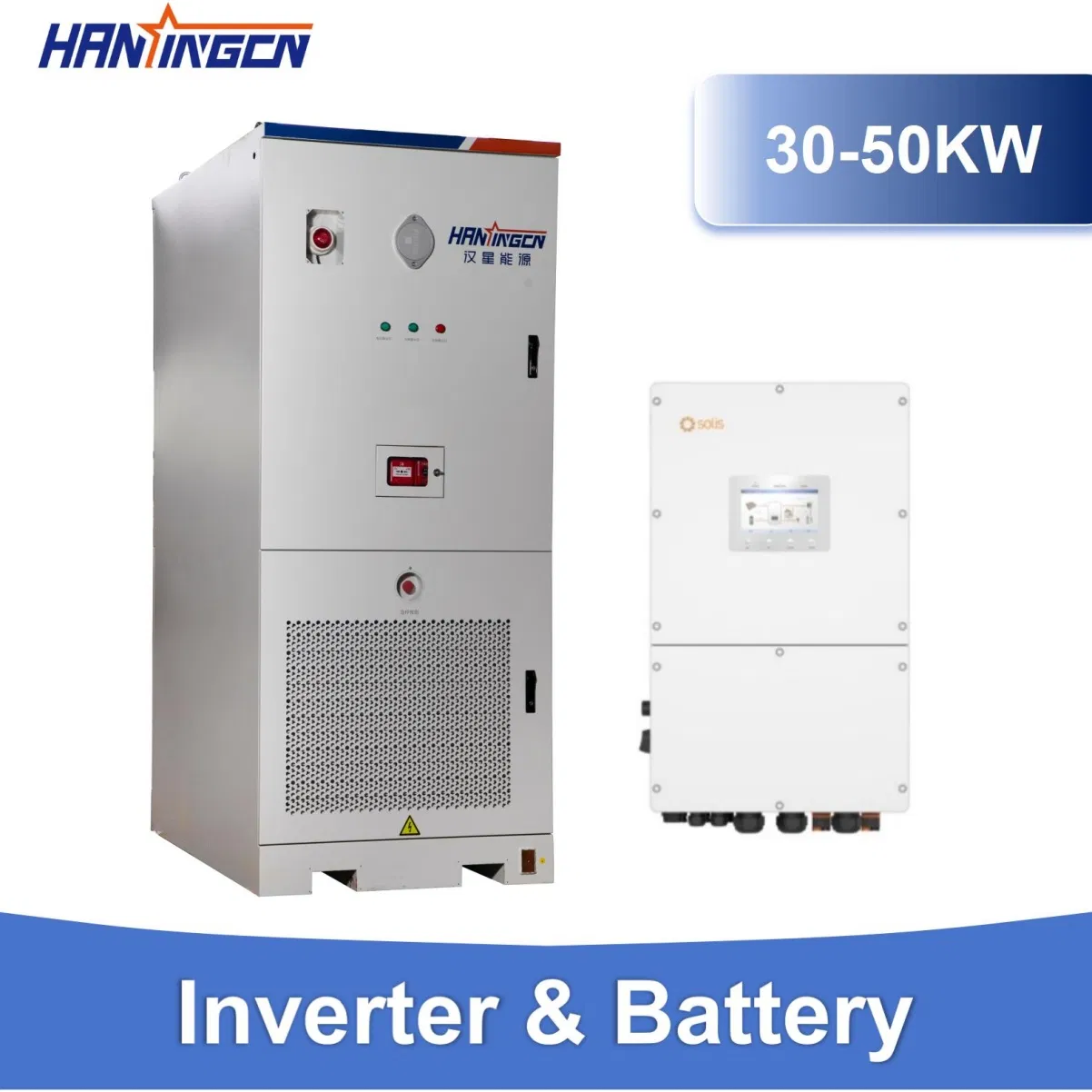
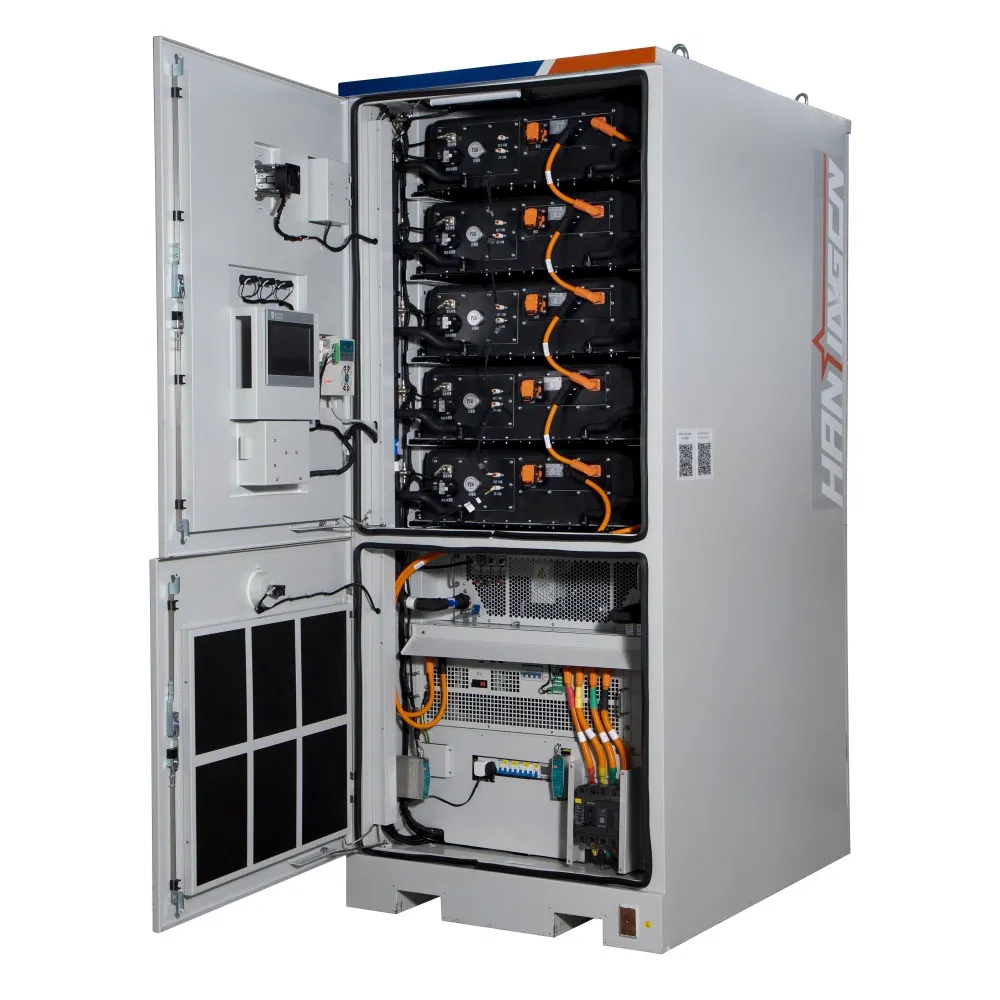
Our energy storage battery systems deliver cutting-edge power solutions designed for residential, commercial, and industrial applications. These high-performance battery systems serve as dependable emergency backup power sources, ensuring uninterrupted operation during grid outages while optimizing energy consumption for maximum cost savings.
| TECHNICAL SPECIFICATIONS | |
|---|---|
| Product Name | Commercial Energy Storage Battery |
| Nominal Voltage | 230V/400V |
| Nominal Capacity | 30KW-50KW |
| Cycle Life | 8000 cycles+ |
| Protection Class | IP55 |
| Cooling Method | Liquid Cooling |
| Rated Output Voltage | 400V, 3L/N/E |
| Operating Voltage Range | 650V~959V |
| Cell Type | 3.2V/314Ah LFP |
| System Efficiency | >90% |
| Communication Method | 4G/LAN |
| Operating Temperature | -25°C~55°C |
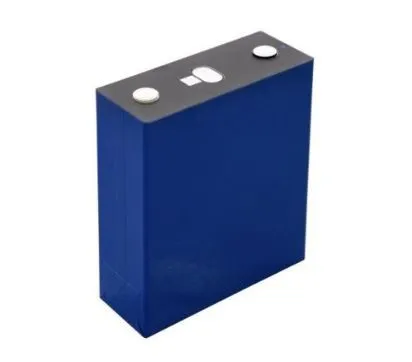
Function: Achieve the conversion between chemical energy and electrical energy, serving as the basic unit for storing electrical energy.
Advantages: High-quality cells with long cycle life reduce long-term usage costs.
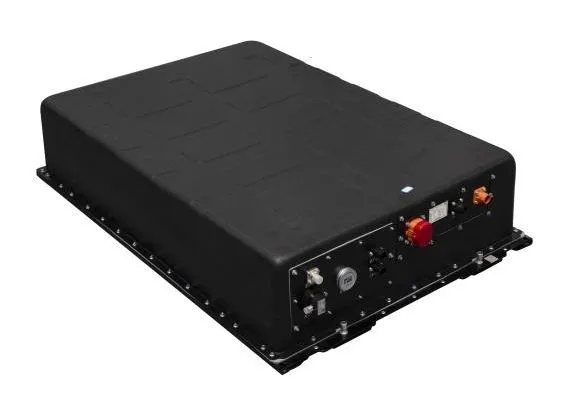
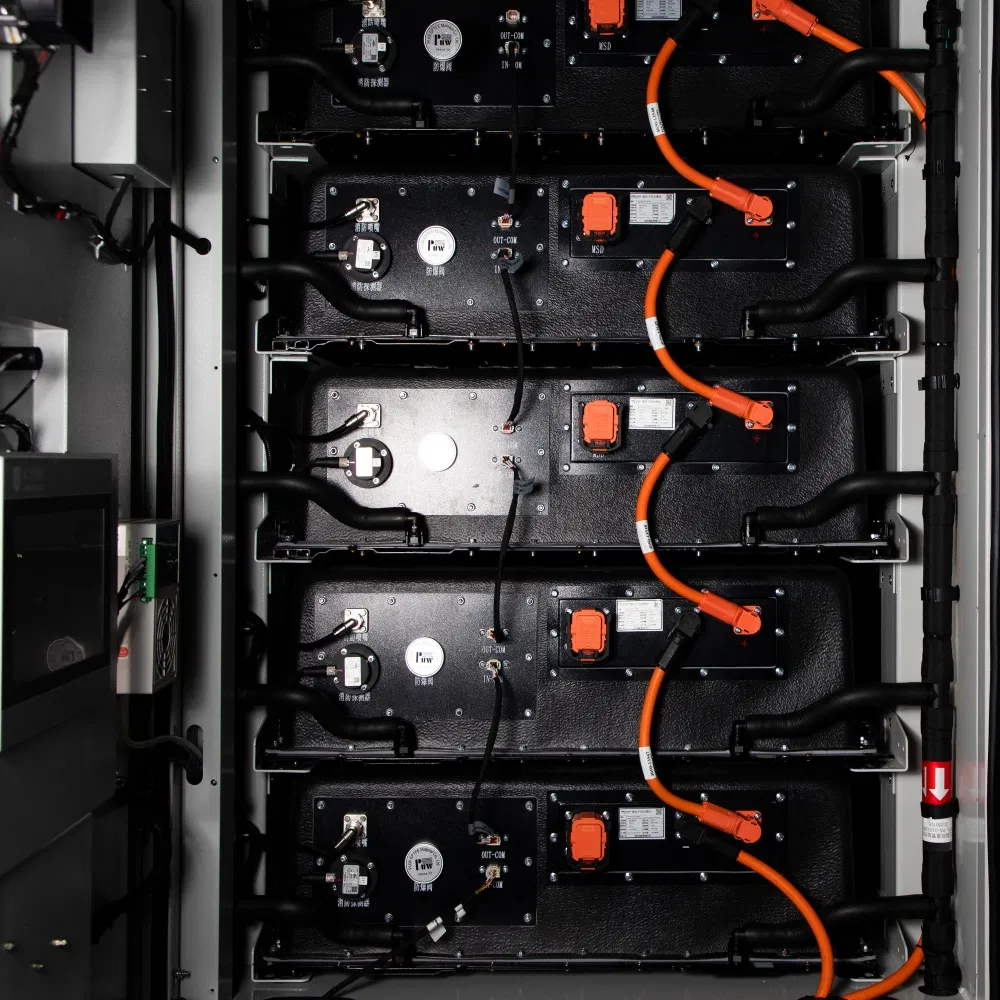
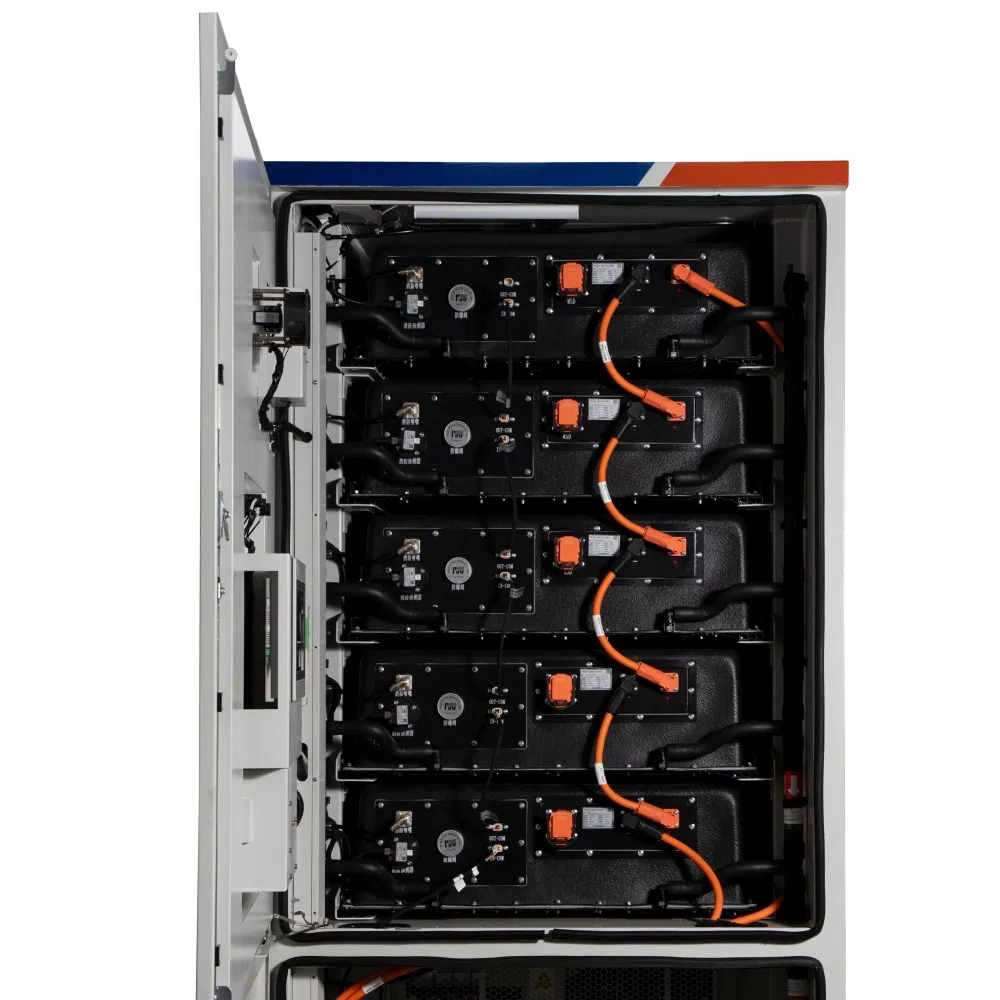
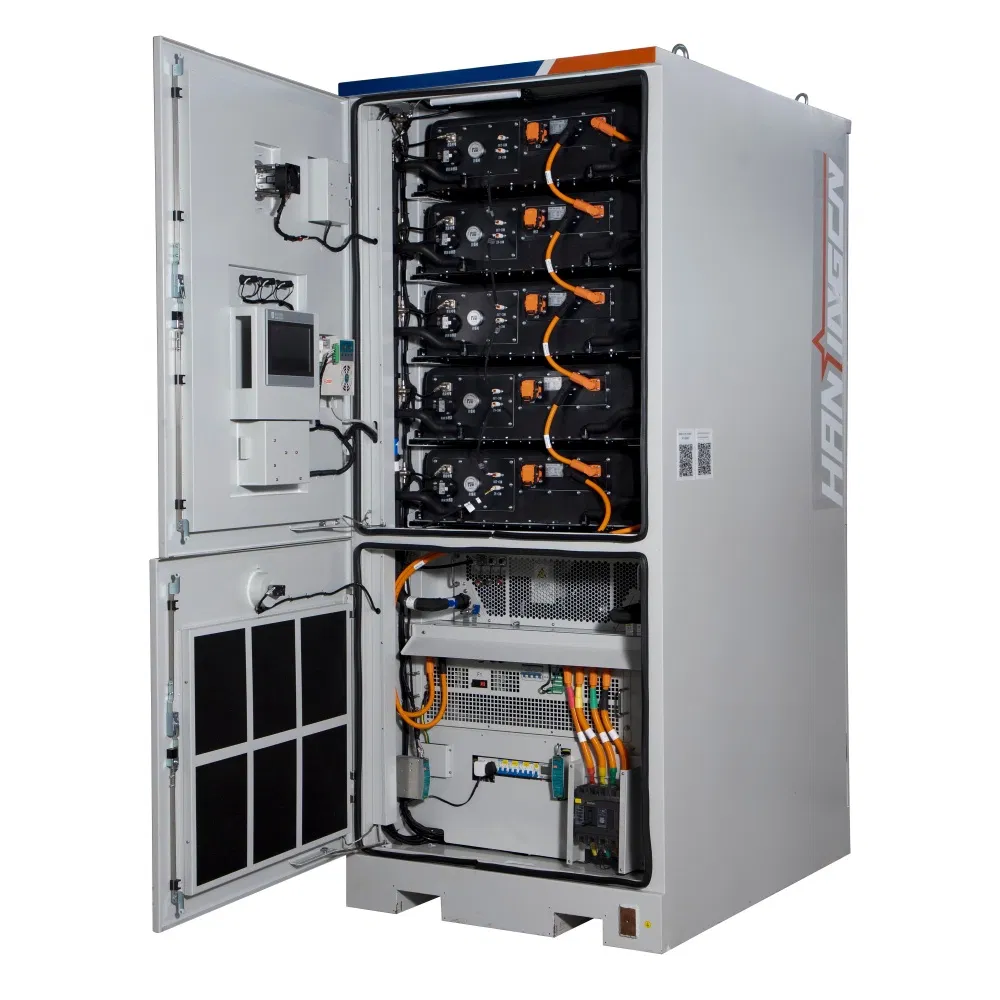
Function: Combines multiple battery cells in series and parallel to achieve stable voltage and capacity, integrates cooling and protection mechanisms.
Advantages: Modular design facilitates installation, maintenance, and expansion while enhancing system safety.
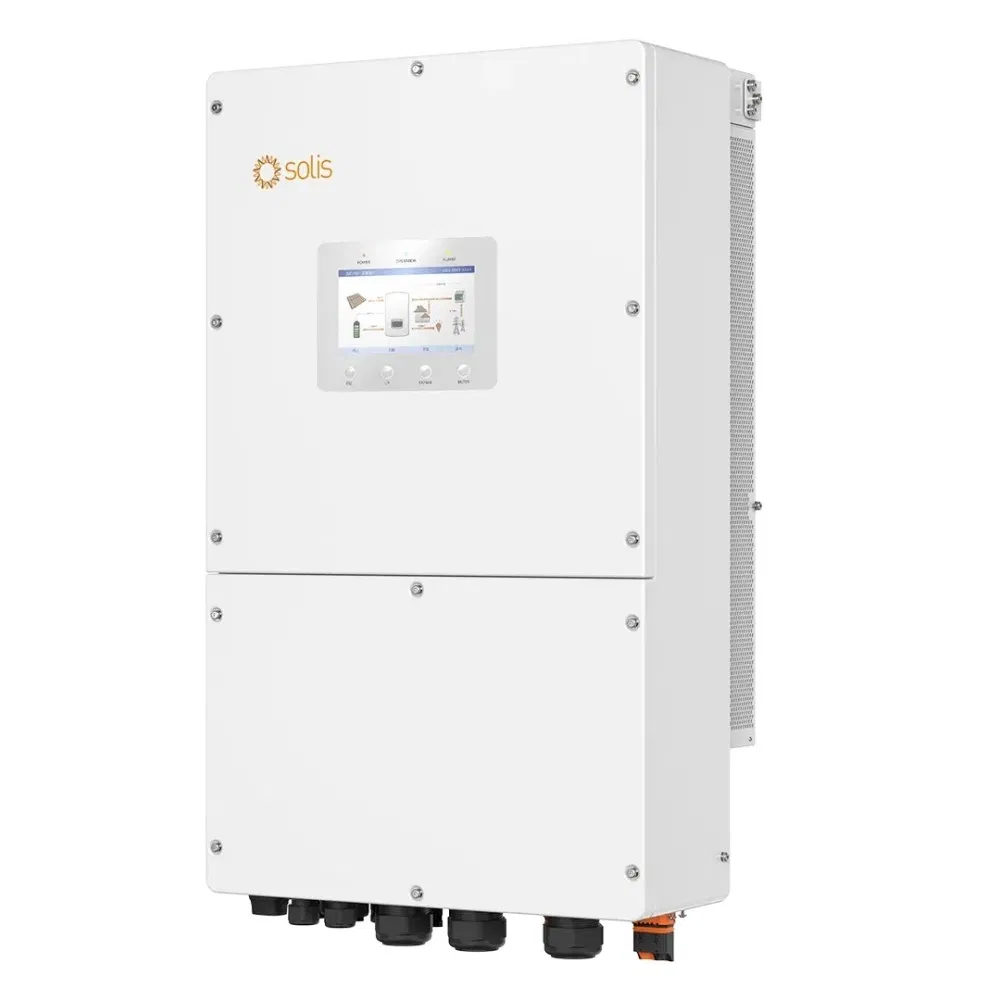
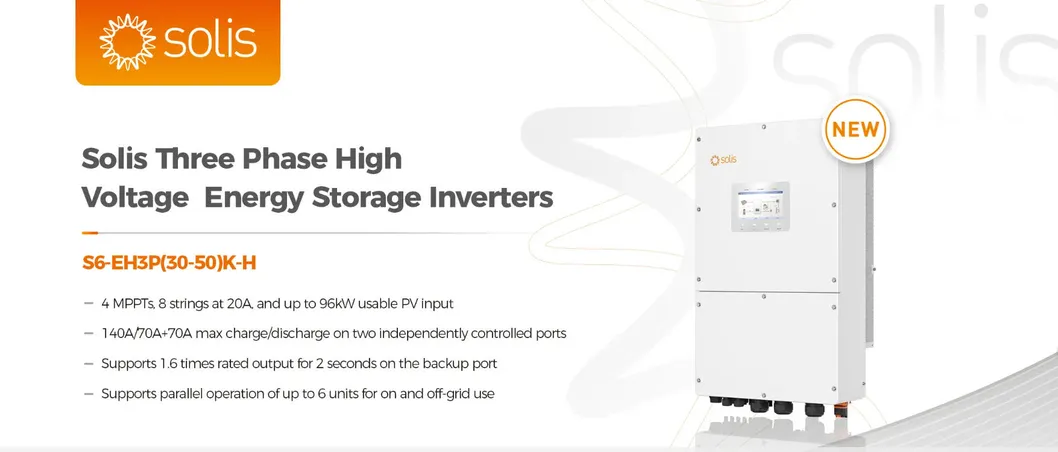
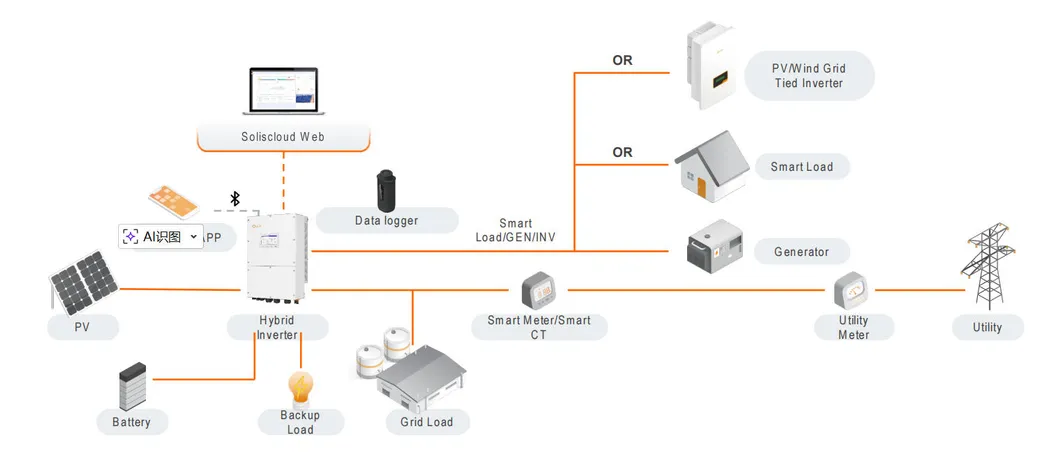
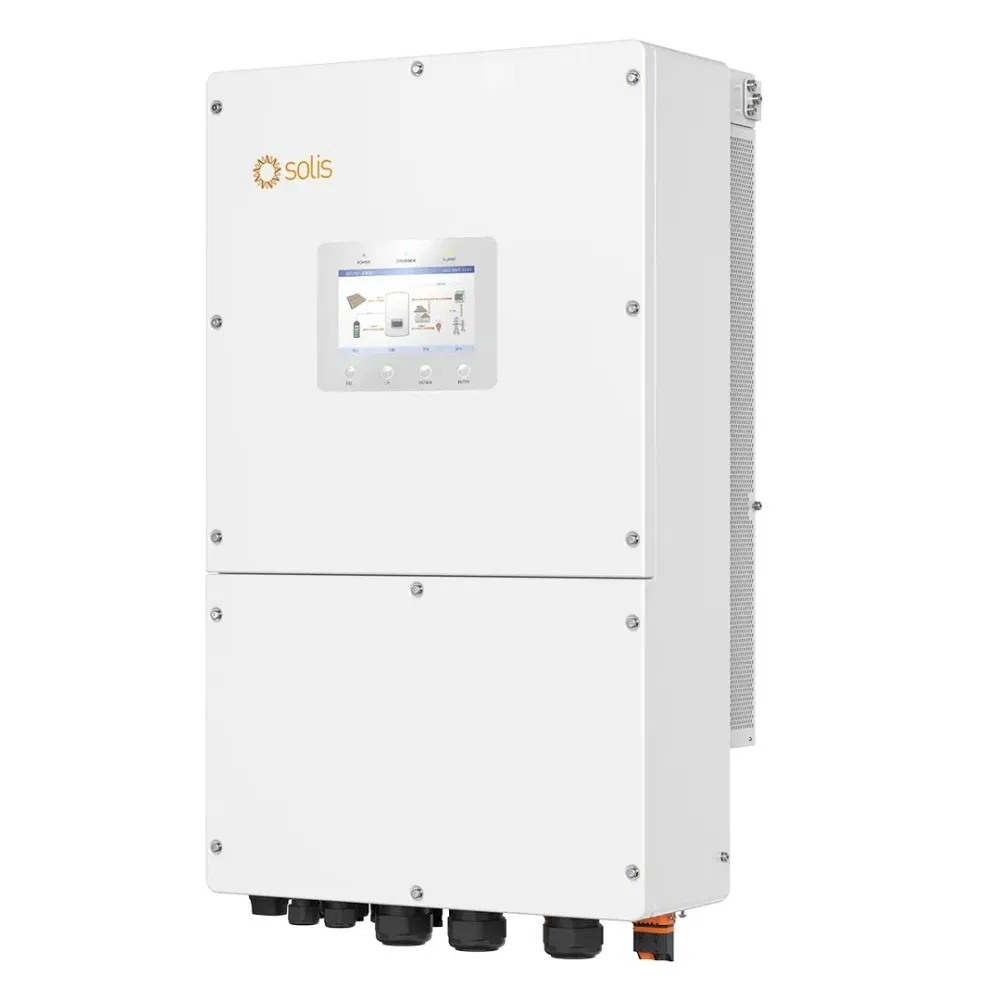
Integrating PCS charging/discharging, PV power generation, off-grid switching, and EMS management. Designed for industrial and commercial applications.
High Efficiency: 200% DC oversizing increases power generation by 20%.
Reliable: Patented heat dissipation ensures stable operation in high temperatures.
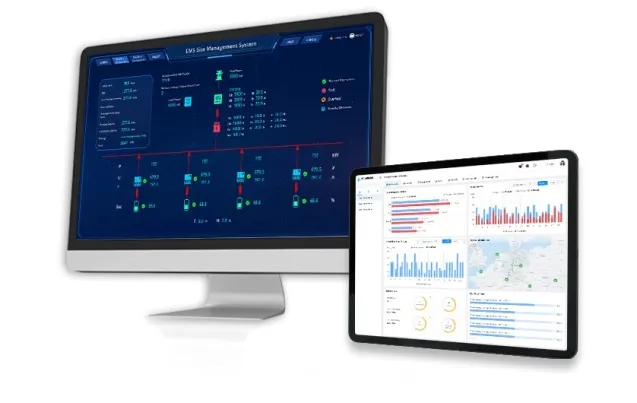
Real-time monitoring and optimal charging/discharging strategies to enhance energy utilization and system stability.
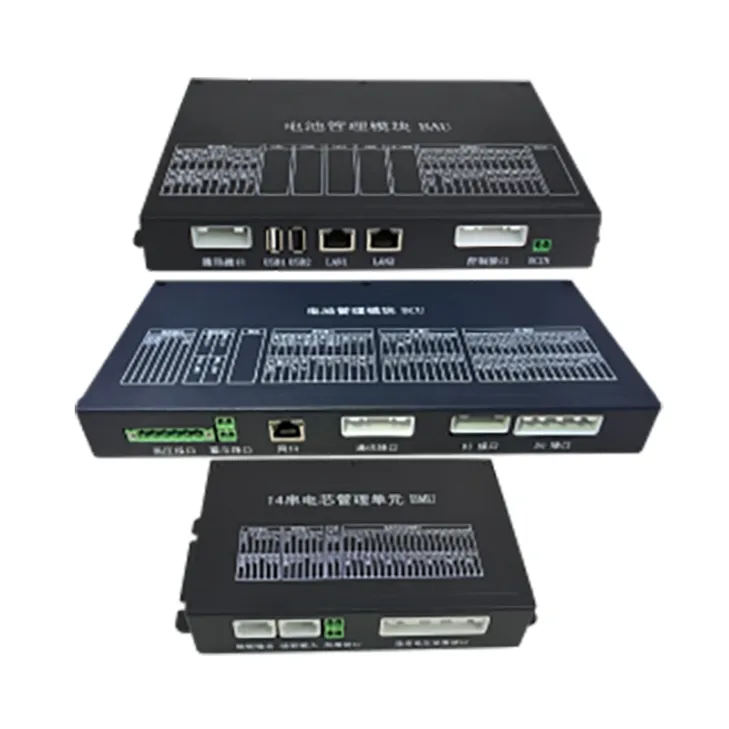
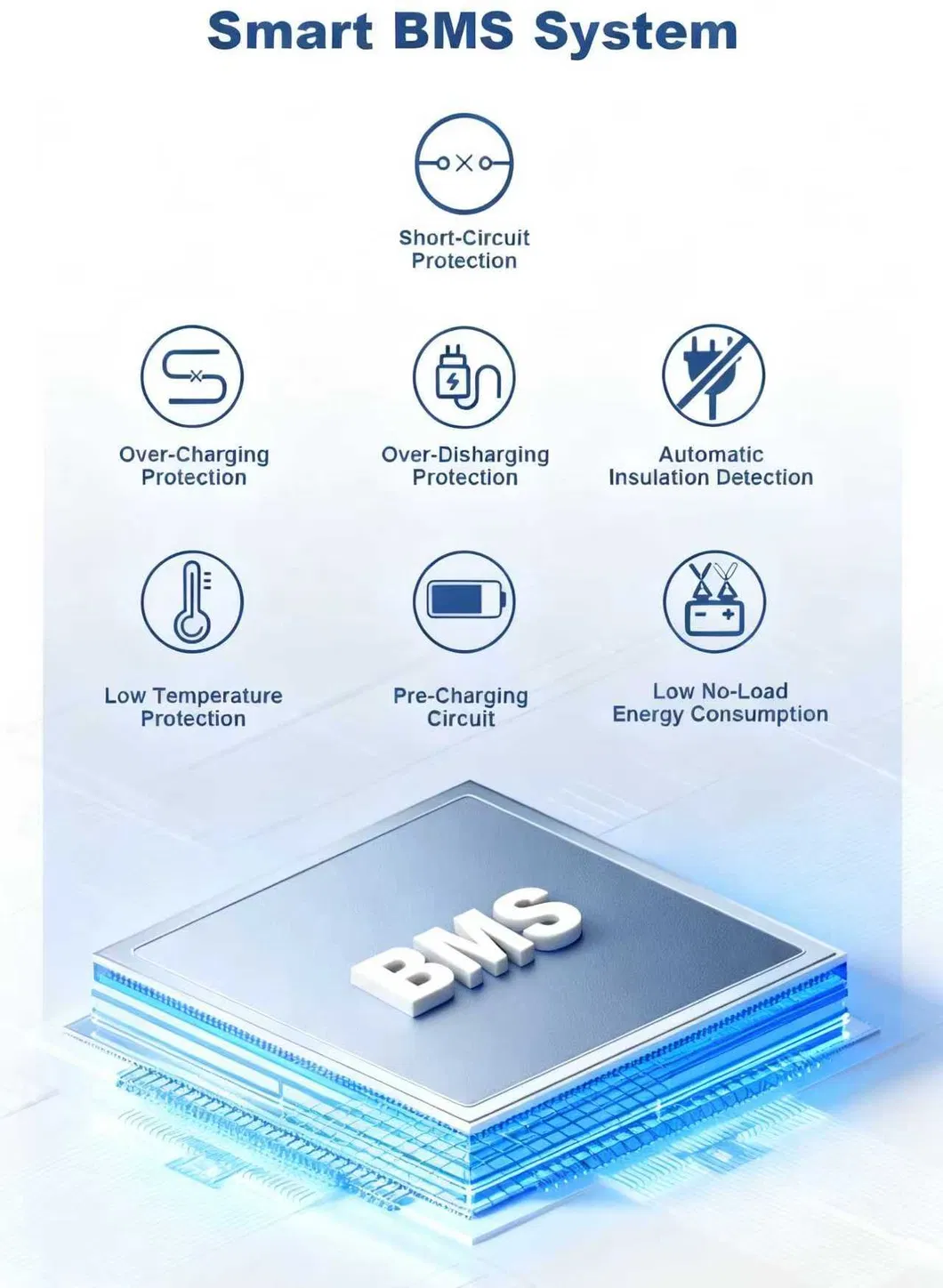
Precise control of voltage, temperature, SOC, and SOH for each cell, preventing damage and extending lifespan.
Buying low-cost electricity during off-peak hours and discharging during peak periods to maximize profit margins and return on investment.
Minimizing short-term peak loads to lower demand charges and enhance revenue while balancing grid consumption patterns.
Voluntarily reducing consumption during shortages to support grid stability and earn economic incentives.