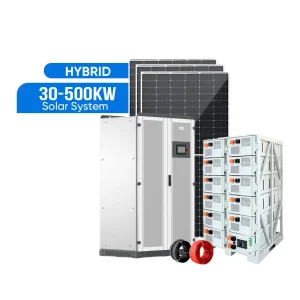
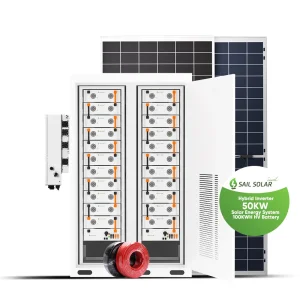
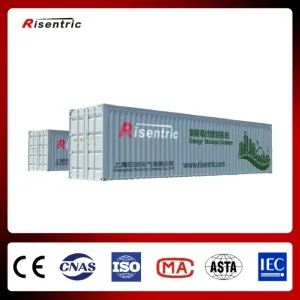
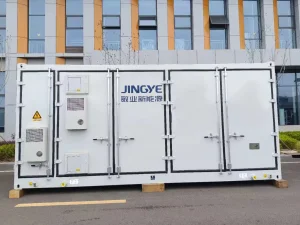
As the global energy landscape undergoes a paradigm shift toward decentralization, Distributed Energy Storage Systems (DESS) have emerged as the cornerstone of modern grid resilience. Beyond simple battery backup, today's distributed assets represent a multi-billion dollar opportunity for commercial and industrial (C&I) enterprises to optimize energy costs, ensure operational continuity, and meet stringent ESG (Environmental, Social, and Governance) mandates.
In China, the epicenter of battery manufacturing innovation, suppliers are moving beyond "component sales" to offering full-stack, vertically integrated energy ecosystems. As a premier China Distributed Energy Storage Factory, Shenzhen Ansar Energy Co., Ltd. is at the forefront of this evolution, engineering systems that balance peak-shaving capabilities with high-frequency grid stabilization.
Procuring energy storage at an industrial scale requires a deep understanding of technical interoperability and localized regulatory frameworks. Global enterprises are currently prioritizing the following criteria when selecting a Distributed Energy Storage Supplier:
Compatibility with UL1741 (USA), IEEE 1547, and EN 50549 (EU) standards is non-negotiable for seamless on-grid operation and participation in VPP (Virtual Power Plant) programs.
Advanced liquid cooling systems are replacing traditional air cooling in high-density 20ft/40ft containers to prevent thermal runaway and extend cycle life to 6000+ cycles.
Procurement teams now demand BMS (Battery Management Systems) integrated with AI algorithms that can predict peak demand periods and optimize discharge cycles to maximize ROI.
Distributed energy storage is no longer a localized luxury; it is a macro-economic necessity. From the manufacturing hubs of Southeast Asia to the technology parks of Europe, BESS (Battery Energy Storage Systems) are solving three critical challenges:
The industry is currently transitioning from Lithium Iron Phosphate (LiFePO4) to next-generation chemistries. While LFP remains the gold standard for safety and longevity, we are actively researching Sodium-ion batteries for low-temperature performance and Solid-state batteries for unprecedented energy density in residential wall-mounted systems.
Our future roadmap includes the integration of Blockchain-based energy trading platforms, allowing distributed storage owners to trade excess capacity in peer-to-peer (P2P) networks, effectively turning a cost center into a profit center.
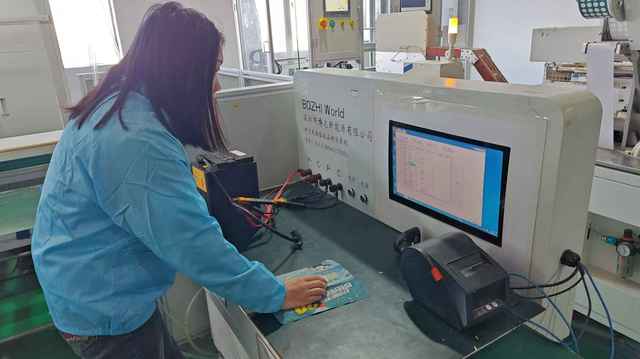
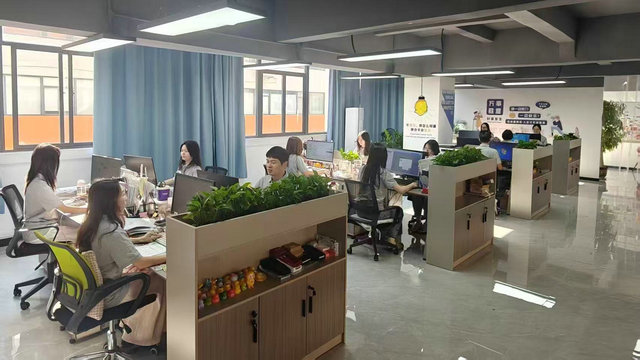
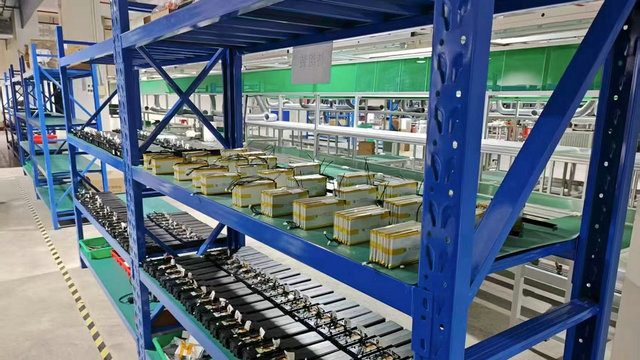
Shenzhen Ansar Energy Co., Ltd. is a professional manufacturer specializing in solar energy storage batteries and integrated renewable energy solutions for residential, commercial, and industrial applications. Established in 2015 and headquartered in Shenzhen, Guangdong Province, China, the company is committed to supporting the global transition toward sustainable energy through advanced battery storage technologies and intelligent power management systems. With a modern manufacturing facility covering more than 18,000 square meters and a workforce of over 250 employees, Ansar Energy serves customers across international renewable energy markets.
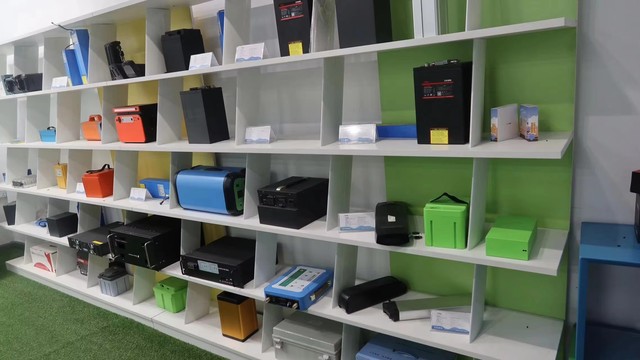
The company's core product portfolio includes solar energy storage batteries, residential energy storage systems, commercial battery storage solutions, industrial energy storage systems, off-grid solar battery systems, hybrid energy storage solutions, backup power batteries, lithium battery packs, and smart battery management systems. These products are widely used in residential solar installations, commercial buildings, industrial facilities, microgrid projects, telecommunications infrastructure, emergency backup power applications, and renewable energy integration projects.
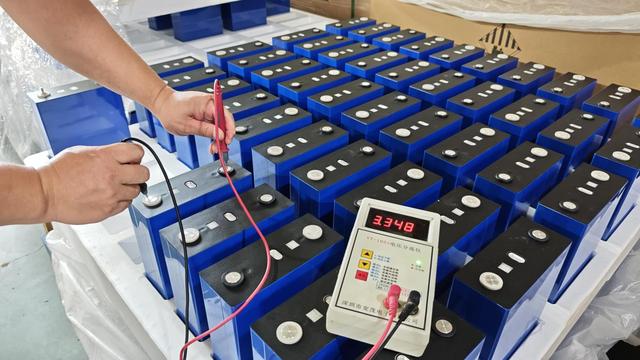
Reliability is built on certification. Ansar Energy ensures every unit leaving our Shenzhen facility adheres to the most rigorous international standards. We provide comprehensive documentation for global customs and installation compliance:
 Ansar Energy