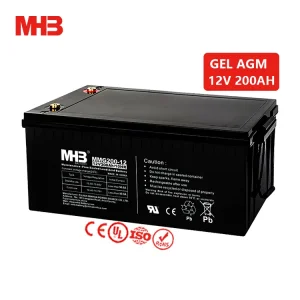
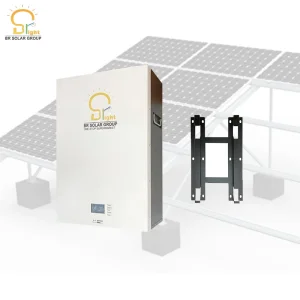
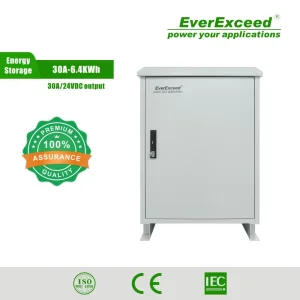
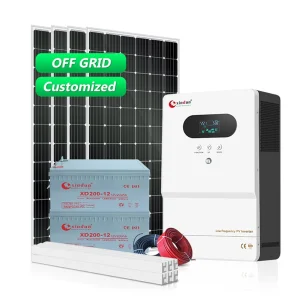
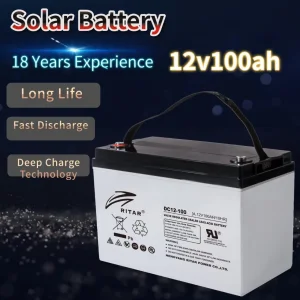
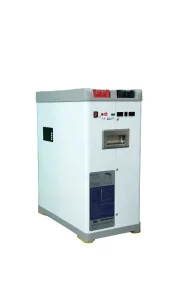
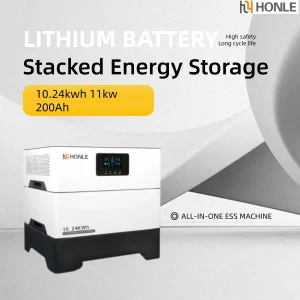
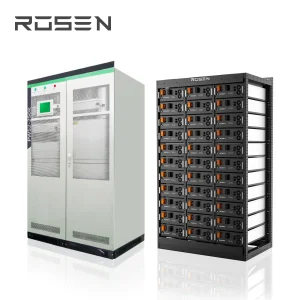
As the world pivots toward decentralized energy, Shenzhen Ansar Energy Co., Ltd. stands at the forefront of innovation. We provide high-performance, modular energy storage systems (BESS) designed for maximum scalability, safety, and efficiency.
Shenzhen Ansar Energy Co., Ltd. is a professional manufacturer specializing in solar energy storage batteries and integrated renewable energy solutions for residential, commercial, and industrial applications. Established in 2015 and headquartered in Shenzhen, the company is committed to supporting the global transition toward sustainable energy.
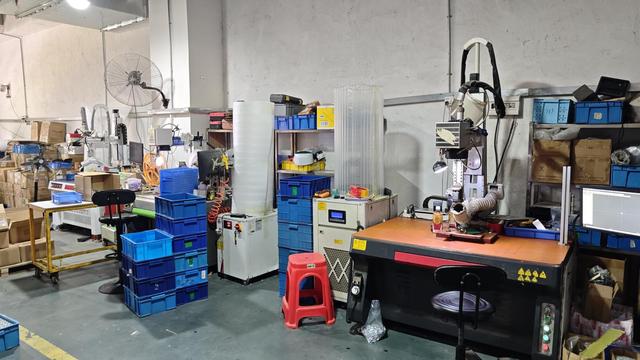
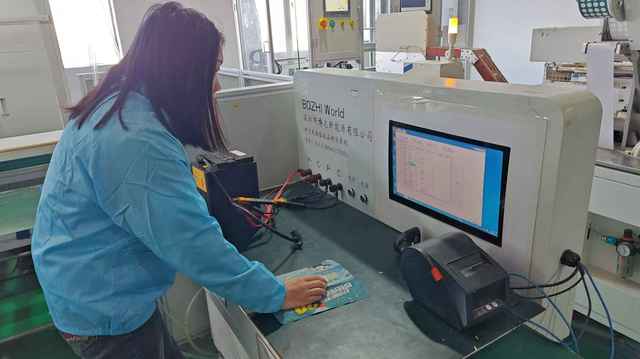
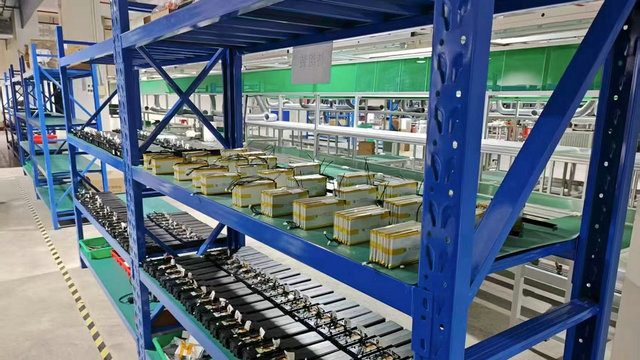
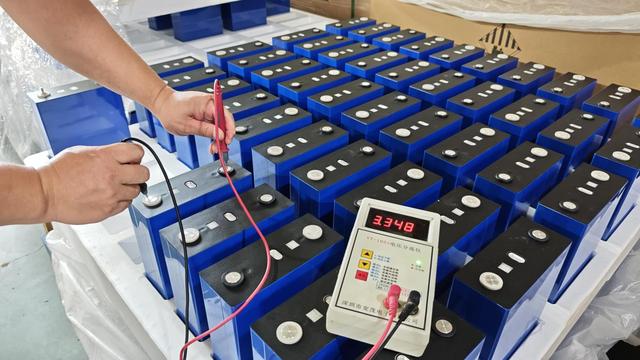
With a modern manufacturing facility and advanced battery assembly lines, Ansar Energy ensures dependable performance. We follow strict quality management procedures throughout product design, cell integration, and system assembly to guarantee long-term reliability and safety.
As a premier exporter, we collaborate closely with solar installers, energy developers, and distributors worldwide. Our products are widely used in microgrid projects, telecommunications infrastructure, and emergency backup power applications across international markets.
The global energy landscape is undergoing a seismic shift. The transition from fossil fuels to intermittent renewable sources like solar and wind has created an unprecedented demand for Modular Energy Storage Systems (MESS). According to recent industry reports, the modular storage market is expected to grow at a CAGR of over 25% through 2030.
1. The Rise of "Energy-as-a-Service" (EaaS): Corporations are no longer just buying hardware; they are seeking integrated solutions that include intelligent software. Modular systems allow for "pay-as-you-grow" models, where capacity can be added incrementally as energy needs expand.
2. Transition to LiFePO4 Chemistry: Lithium Iron Phosphate (LFP) has become the gold standard for stationary storage due to its superior thermal stability, safety profile, and longer cycle life compared to NMC (Nickel Manganese Cobalt) alternatives. Ansar Energy focuses exclusively on high-grade LFP cells to ensure maximum ROI for our clients.
3. AI-Driven Battery Management (BMS): Modern modular systems are now integrated with AI and IoT. This allows for predictive maintenance, real-time health monitoring, and optimized "Peak Shaving" and "Load Shifting" strategies, which significantly reduce utility costs for industrial users.
4. Decentralized Microgrids: In regions with unstable grids or remote locations, modular ESS provides the backbone for microgrids. These systems can operate autonomously, ensuring 100% uptime for critical infrastructure such as hospitals, data centers, and telecommunications towers.
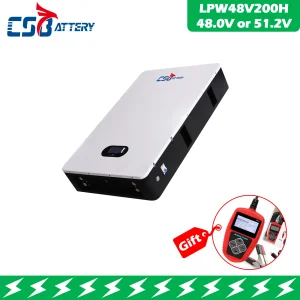
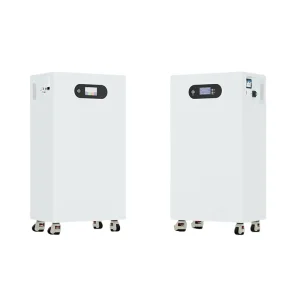
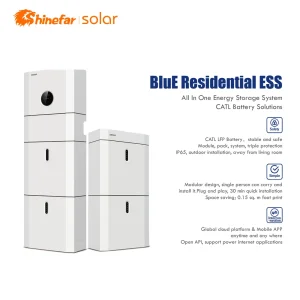
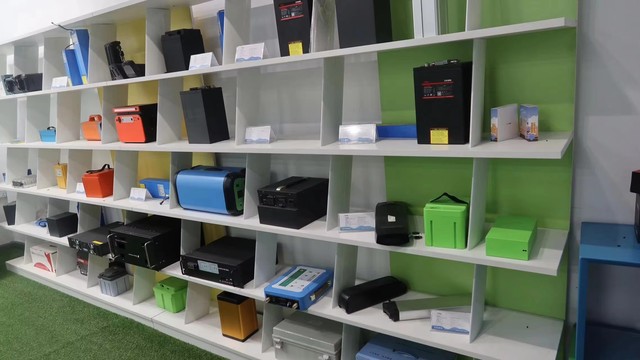
Wall-mounted and stackable solutions (5kWh - 30kWh) designed for modern homes. Compatible with major hybrid inverters, providing seamless backup during grid outages and maximizing solar self-consumption.
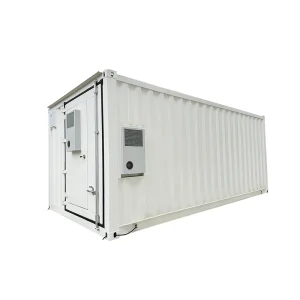
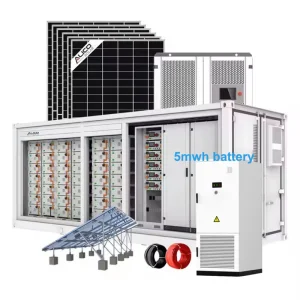
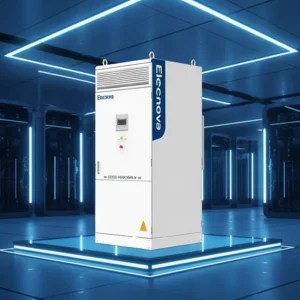
Containerized and cabinet-based modular systems (100kWh - 2MWh+). Ideal for peak shaving, demand charge reduction, and large-scale PV integration in factories and shopping malls.
Standard 19-inch rack-mounted LiFePO4 batteries for 4G/5G base stations. High energy density, lightweight, and capable of operating in extreme temperature environments.
When sourcing from a China-based factory, professional buyers prioritize three pillars: Compliance, Customization, and Lifecycle Support. Ansar Energy addresses these through:
Our current generation of modular systems features IP65-rated enclosures, active cell balancing, and cloud-based monitoring. We utilize high-precision SOC (State of Charge) and SOH (State of Health) algorithms to extend battery life by up to 20% compared to generic alternatives.
Key Specs of our Stackable Series:
- 6000+ Cycles @ 80% DoD
- 0.5C/1C Charge & Discharge rates
- Intelligent Thermal Management
Ansar Energy is investing heavily in Solid-State Battery technology and Sodium-Ion (Na-Ion) alternatives for low-cost, large-scale storage. Our R&D team is also working on V2G (Vehicle-to-Grid) integration, allowing our ESS to communicate with electric vehicle fleets for optimized energy distribution.
Future focus areas:
- Circular Economy: Second-life battery integration
- Blockchain-secured Energy Trading
- Hybrid Storage (Capacitor + Battery)
 Ansar Energy