Power outages are becoming more disruptive for homes, small offices, and rural properties. In 2026, solar batteries offer a practical way to keep essential circuits operating when the grid fails. They store surplus solar energy during daylight and release it later, including at night. But battery performance depends on capacity, inverter design, installation quality, and household demand.
So, how does solar battery storage help during power outages? A properly configured system can power refrigerators, medical equipment, internet routers, lights, and selected outlets. Some advanced models switch to backup power within seconds. Others require a compatible gateway or manual setup. That difference matters during a sudden winter blackout.
The best solar batteries are not automatically the largest or most expensive. A reliable choice should match local weather, roof production, daily consumption, and backup priorities. Homeowners should review usable capacity, continuous power output, warranty coverage, safety certifications, and monitoring tools. An experienced installer can also explain whether the system supports whole-home backup or only critical loads.
Real-world testing often reveals uncomfortable details. A battery advertised at 13 kilowatt-hours may provide less usable energy after reserve settings and conversion losses. Heavy heating equipment can drain storage quickly. Solar panels may recharge the battery during a long outage, but cloudy skies reduce that benefit. This guide examines leading 2026 solar batteries, their outage features, practical limitations, and the questions buyers should ask before installation. Reliability matters more than impressive specifications.
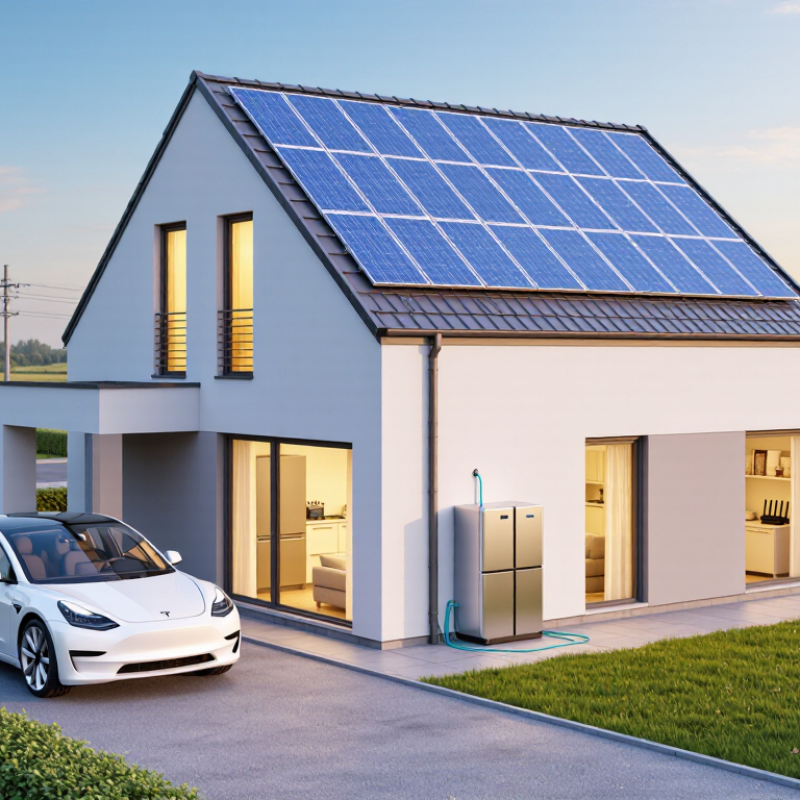
Solar batteries are rechargeable energy-storage systems connected to solar panels, an inverter, and a control system. During daylight, panels produce electricity for household loads first. Extra power moves into the battery as chemical energy. After sunset, the battery reverses that process and sends electricity back through the inverter.
Most home systems use lithium-ion cells. NREL’s 2024 Annual Technology Baseline reports typical lithium-ion round-trip efficiency near 85% to 95%. In simple terms, a 10-kilowatt-hour charge may deliver roughly 8.5 to 9.5 kilowatt-hours later. Some energy disappears as heat and conversion loss. The number is useful, but not perfect.
During an outage, a transfer device separates selected circuits from the grid. The battery can then power a refrigerator, router, lights, or a medical device, depending on capacity. A grid-connected solar system alone usually shuts down for safety. It needs backup controls to operate independently. The U.S. Department of Energy highlights this islanding function as essential for resilient distributed energy systems.
The International Energy Agency’s Batteries and Secure Energy Transitions report recorded about 42 gigawatts of new battery-storage capacity in 2023. That growth shows stronger demand for flexible electricity. Yet bigger is not always better. A battery with poor sizing may run a refrigerator for hours but fail quickly under heating or cooling loads. Real household testing matters. Quiet assumptions can be expensive.
A solar battery can keep essential devices alive when the grid fails. It stores surplus daytime solar power for nighttime use or emergencies. During an outage, an inverter switches selected circuits to battery power. Lights, refrigerators, medical equipment, routers, and phone chargers can continue working. A critical-loads panel makes this possible. It separates necessary circuits from power-hungry appliances.
The U.S. Energy Information Administration reported about eight hours of average electricity interruptions per customer in 2022, including major events. That figure explains the value of household backup. The IEA’s Batteries and Secure Energy Transitions report recorded nearly 42 gigawatts of new battery storage globally in 2023. More storage is entering the energy system.
Still, a battery is not magic. Its runtime depends on capacity, weather, household demand, and inverter limits. A refrigerator may run for many hours, while an electric heater can drain the battery quickly. Cloudy weather also reduces solar recovery.
Homeowners should test backup circuits before an outage, not during one. That practical step is often missed. A larger battery may feel safer, but correct load planning usually matters more.
Personally, I would prioritize refrigeration, communication, lighting, and essential medical equipment before comfort devices. DOE resilience guidance also supports planning around critical loads, not powering every appliance.
In 2026, top solar batteries are judged by outage performance, not storage size alone. The most useful models combine usable capacity, fast backup switching, and stable power output. A battery may store 10 kilowatt-hours, yet reserve only eight for emergencies. That difference matters when a refrigerator, router, and medical device run overnight. Short outages feel manageable.
Modern systems use smart energy management to prioritize essential circuits during a grid failure. They can reduce grid charging, respond to solar forecasts, and limit deep discharge. Look for clear round-trip efficiency figures, cycle-life testing, and a written warranty. Independent safety certification and professional installation are equally important. Thermal controls help batteries work through hot afternoons and cold nights. Weather-resistant enclosures add protection in garages or outdoor cabinets.
The best designs also offer modular expansion, quiet operation, and dependable mobile monitoring. During a real outage, an app should show remaining power in hours, not vague percentages. Transfer time deserves attention. Sensitive electronics may restart if backup power arrives too slowly. No battery is perfect. Higher efficiency can raise costs, while larger capacity may encourage unnecessary consumption. I would compare measured performance with household load data before choosing a system. Even strong specifications cannot replace careful installation and realistic emergency planning.
Choosing a solar battery starts with your outage priorities, not its advertised capacity. List essential circuits, such as the refrigerator, lights, internet router, medical equipment, and water pump. A licensed electrician can measure their starting and running loads. This prevents an expensive mismatch.
Usable capacity shows how much energy the battery can actually provide. Power output determines whether it can start a pump or run several appliances together. For a small home, five to ten kilowatt-hours may support essential loads overnight. Larger households may need more. Check round-trip efficiency, operating temperature, warranty terms, and expected cycle life. A battery should also include approved safety controls and work with a properly installed transfer system.
Location matters more than many buyers expect. A shaded, ventilated garage may protect the unit from extreme heat. Flood-prone spaces deserve extra caution. Ask whether the battery can charge from solar during a grid outage, because some systems cannot without specific equipment. Confirm local electrical requirements with a qualified installer. Online calculators often ignore motor surges and seasonal weather. I would treat their results as estimates, not promises. A smaller battery with carefully selected backup circuits can be more useful than a large battery powering everything briefly. It is easy to chase maximum storage and overlook installation quality. Also, test the backup system before storm season, when a hidden wiring problem becomes harder to fix.
Estimated backup runtime by battery capacity and household load
This estimate assumes 90% usable battery energy and 90% inverter efficiency. Runtime is calculated as: battery capacity × 0.9 × 0.9 ÷ household load. Actual results vary with battery temperature, age, charging conditions, inverter limits, and appliance startup demand.
When choosing a home solar battery, compare usable capacity, continuous power output, essential-load requirements, expandability, warranty terms, and compatibility with your existing solar system.
Solar batteries can keep refrigeration, lights, internet equipment, and medical devices running during an outage. Installation quality determines whether that promise works. A certified installer should calculate both usable energy, measured in kilowatt-hours, and starting power, measured in kilowatts. NREL’s 2024 Annual Technology Baseline uses about 85% round-trip efficiency for lithium-ion storage. Real homes may perform differently. In cold weather, conversion losses and heating loads reduce available capacity. A battery should also be placed away from flood paths, ignition sources, and living areas, following local electrical codes.
Maintenance is usually light, but it is not optional.
Owners should review system alerts, inspect visible cables, clear ventilation areas, and schedule professional checks. Do not open the enclosure or attempt internal repairs. NFPA 855 and UL 9540 safety frameworks emphasize tested equipment, separation, monitoring, and fire-risk controls. The U.S. Department of Energy also recommends permitting and qualified installation for residential energy storage. Small details matter. A blocked air inlet can increase heat. An ignored warning can become an outage failure.
Backup capacity has hard limits. A 10-kilowatt-hour battery cannot deliver ten kilowatt-hours to household appliances because reserve settings and efficiency reduce usable energy. NREL’s efficiency estimate implies that some stored energy disappears during charging and discharge. High-demand loads, such as pumps or electric heating, may drain a battery within hours. Solar panels may recharge it, but clouds, snow, and nighttime interrupt that plan. IEA reported global battery-storage additions reached about 42 gigawatts in 2023, yet rapid industry growth does not remove household limitations. Even a carefully installed system can disappoint when load priorities are unclear.
Judge outage performance, not storage size alone. Check usable capacity, switching speed, and stable power output. Bigger is not always better.
A 10-kilowatt-hour battery may reserve two kilowatt-hours for protection. Efficiency losses also reduce energy reaching appliances. The label can mislead. Compare usable energy with your actual overnight load.
Prioritize refrigeration, lights, internet equipment, and essential medical devices. Pumps and electric heaters can drain batteries within hours. Make a written circuit list before an outage.
The installer should calculate usable energy and starting power. Motors may need a brief surge when starting. Ask for permits, qualified work, and compliance with local electrical rules.
Fast transfer helps sensitive electronics avoid restarting. Ask for a measured transfer time, not a vague promise. Some equipment may still need protection.
Place the battery away from flood paths, ignition sources, and living areas. Thermal controls help during hot afternoons and cold nights. Keep ventilation openings clear. Small details matter.
Review alerts, inspect visible cables, clear ventilation areas, and schedule professional checks. Never open the enclosure or attempt internal repairs. Ignored warnings can become outage failures.
No. Clouds, snow, and nighttime can interrupt recharging. Plan for several hours without solar input. I would not trust perfect-weather assumptions.
Solar batteries store excess electricity generated by solar panels and release it when energy is needed. During a grid outage, they can provide backup power for essential devices such as refrigerators, lights, medical equipment, communication devices, and internet routers. The answer to “how does solar battery storage help during power outages” is that it creates a reserve of usable energy, helping a home remain functional even when the utility supply is interrupted. With a suitable backup system, selected circuits can switch to battery power automatically and continue operating with minimal disruption.
The top solar batteries in 2026 are expected to offer efficient energy conversion, reliable backup performance, expandable capacity, smart monitoring, and strong safety controls. Homeowners should consider electricity usage, outage frequency, backup priorities, available solar production, installation space, budget, and compatibility with their existing system. Professional installation, regular inspections, proper ventilation, and safe operating practices are important for long-term performance. However, backup power is limited by battery capacity, household demand, weather conditions, and the number of connected devices, so users should plan their essential loads carefully.

Ansar Energy