As we move toward 2026, understanding how to maximize solar energy self consumption becomes increasingly vital. Homeowners and businesses alike are seeking effective strategies to optimize their solar investments. With rising energy costs, enhancing solar self-consumption not only leads to significant savings but also promotes sustainability.
To achieve this, it’s important to integrate technology and smart usage patterns. For instance, using energy-efficient appliances can significantly reduce waste. Home battery systems are another option, allowing surplus energy to be stored for later use. However, these technologies can be costly and require careful consideration.
The journey to maximizing solar energy self consumption is not without challenges. You may face setbacks in performance or unexpected expenses. Reflecting on these experiences can guide future investments and strategies. Adapting to new technologies and changing habits is essential. Embracing this learning curve can lead to better efficiency and more informed decisions in the long run.
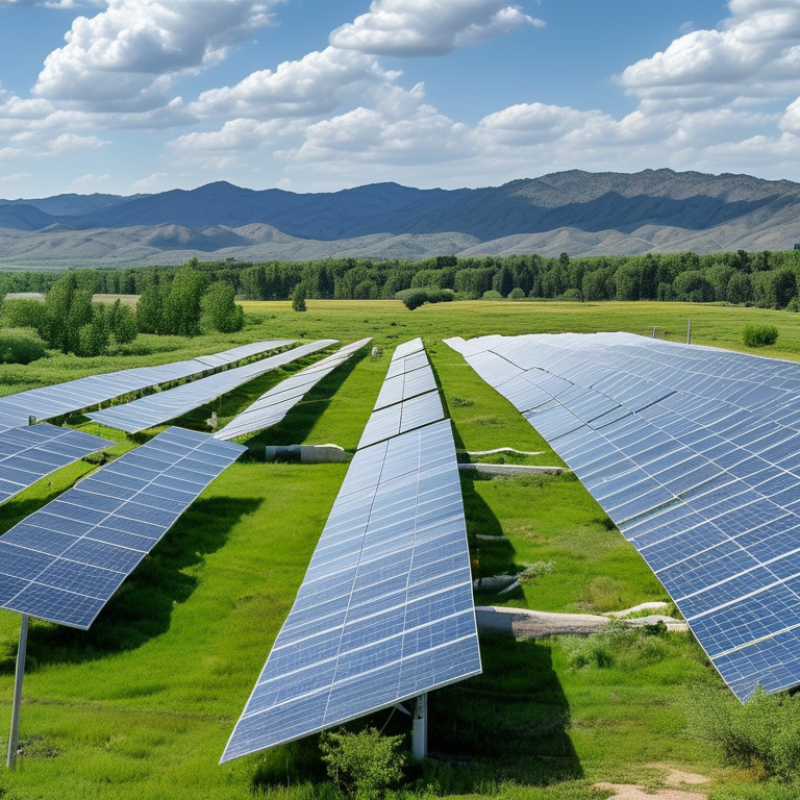
Solar energy self-consumption refers to the use of generated solar power for your own needs rather than exporting it back to the grid. This concept has gained traction as people seek to maximize their investments in solar technology. By understanding self-consumption, homeowners can significantly decrease their energy bills. Installing energy-efficient appliances can complement your solar system.
To truly optimize self-consumption, awareness of timing is crucial. Solar panels generate the most energy during the day. Aligning energy use with peak generation hours makes a substantial difference. For instance, running dishwashers or washing machines during daylight hours can maximize self-consumption. There are challenges, though. Not all homes can generate enough power for their needs, and energy storage solutions can be expensive.
Monitoring your energy usage is important. Smart home technology can help track consumption patterns. This way, adjustments can be made to improve efficiency. It's common to overlook some details, like seasonal changes in sunlight. Recognizing these shifts can lead to better energy strategies. Exploring solar energy self-consumption is a journey. Each step taken is part of a larger effort to stay sustainable and reduce reliance on grid power.
Maximizing solar energy self-consumption in 2026 offers numerous benefits, driving both financial savings and environmental sustainability. By effectively using the energy produced on-site, homeowners can significantly reduce their electricity bills. This is especially important as energy prices continue to rise, making self-consumption a valuable strategy. The ability to harness sunlight for personal use can lead to greater energy independence, reducing reliance on the grid.
Moreover, enhanced self-consumption translates to a lower carbon footprint. As more people adopt renewable energy, the cumulative effect becomes significant. This shift not only benefits individual households but also contributes to the global effort against climate change. Families can enjoy the satisfaction of generating clean energy while empowering their local communities with greener practices.
However, achieving maximum self-consumption is not always straightforward. It requires careful planning and possibly some trial and error. Installing energy storage solutions, optimizing energy usage patterns, and evaluating peak sunlight hours are essential steps. Regular assessments can identify opportunities for improvement, ensuring that the system operates efficiently. Not every method will yield the desired results, but a commitment to refining these practices can lead to substantial long-term rewards.
To maximize solar energy self-consumption in 2026, focusing on energy storage efficiency and capacity is crucial. According to the International Energy Agency (IEA), improving energy storage solutions can enhance energy independence. In fact, the IEA estimates that by 2026, battery storage capacities in residential areas could increase by approximately 50%.
Innovative technologies like lithium-ion batteries and flow batteries show promise. These options offer various efficiencies and lifespans. Industries report that investing in higher-quality batteries can boost efficiency by 30% or more. Monitoring performance through smart technology helps identify improvements needed. Regular analysis can reveal inefficiencies and help owners adjust usage patterns.
Homeowners must also consider system integration. The National Renewable Energy Laboratory suggests that optimizing how solar systems connect with batteries can improve overall capacity. Careful design can ensure that additional storage does not lead to diminishing returns. An adaptable system can cater to evolving energy needs. Thus, investing in flexibility is vital for long-term success.
| Storage Type | Capacity (kWh) | Efficiency (%) | Cost per kWh ($) | Expected Lifespan (Years) |
|---|---|---|---|---|
| Lithium-ion | 10 | 90 | 300 | 15 |
| Lead-acid | 5 | 80 | 150 | 5 |
| Flow Battery | 20 | 85 | 400 | 10 |
| Nickel-Cadmium | 8 | 75 | 200 | 20 |
Optimizing solar panel placement is crucial for enhancing energy self-consumption. Effective positioning increases sunlight exposure, which maximizes energy production. Start by assessing your property. Look for areas with minimal obstructions. Tall trees or buildings can create unnecessary shading.
Consider the angle of your roof. South-facing panels typically receive the most sunlight. If your roof isn't optimal, explore ground-mounted systems. They can adjust for better solar gain. Also, pay attention to seasonal changes in sunlight. This aspect often gets overlooked. Shadows can shift during different times of the year, affecting overall efficiency.
While aiming for the perfect setup, not everyone has ideal conditions. Often, compromises are necessary. Use adjustable mounts if possible. They allow you to modify the angle throughout the year. Be mindful of local zoning laws and regulations too. These can limit how you position panels on your property. Taking time to analyze and reflect on these details can lead to better energy outcomes.
This chart illustrates the potential solar energy self-consumption rates in different placement orientations of solar panels. The data is based on optimal sun exposure strategies for the year 2026.
Smart home technologies are revolutionizing how we consume solar energy. According to the Solar Energy Industries Association (SEIA), homes equipped with smart devices can increase solar energy utilization by up to 30%. These devices, from smart thermostats to energy management systems, adapt power usage based on solar generation. For example, a smart thermostat can schedule energy-intensive activities during peak sunlight hours. This leads to optimized energy consumption.
Integrating battery storage systems enhances the benefits of smart home technologies. A study by the National Renewable Energy Laboratory (NREL) reveals that homes with solar and storage can increase self-consumption rates from 30% to 80%. With real-time data monitoring, homeowners can make informed decisions about energy use. They can shift their load or store excess energy for later use. However, the initial costs of these systems can deter some homeowners.
Another critical element is the role of smart appliances. Modern appliances can communicate with solar panels and adjust their operation based on energy availability. This creates a seamless interaction between solar generation and household energy needs. Yet, many homeowners overlook the potential savings that come from adopting these devices. While they promise efficiency, not all are user-friendly. This leads to a gap between technology and its practical application. Therefore, educating consumers on how to fully leverage these technologies is essential.
: Solar energy self-consumption involves using generated solar power for personal needs instead of sending it back to the grid.
By using solar power at home, homeowners can significantly lower their energy bills and maximize their solar investments.
It’s ideal to use energy during peak sunlight hours to align with solar power generation, enhancing self-consumption.
Running dishwashers and washing machines during the day can help optimize your energy usage from solar generation.
Monitoring helps identify consumption patterns, allowing adjustments that can improve overall energy efficiency in your home.
Not all homes can produce enough power for their needs, and energy storage solutions can be expensive, presenting challenges.
Assess your property for obstructions and consider your roof's angle to enhance sunlight exposure for better energy production.
Ground-mounted systems are an option; they can be adjusted for better solar gain if your roof isn't optimal.
Seasonal changes can impact sunlight availability and might shift shadows, which can affect overall solar panel efficiency.
Local zoning laws may restrict how you position solar panels, so it’s essential to consider regulations when planning.
To maximize solar energy self-consumption in 2026, understanding the key concepts of self-consumption is essential. This includes recognizing the benefits such as cost savings and increased energy independence. Effective strategies include enhancing energy storage efficiency and capacity, which allows households to make the most of the energy generated during peak sunlight hours. Additionally, optimizing solar panel placement is crucial for maximizing sunlight exposure, ensuring that solar systems operate at peak performance.
Utilizing smart home technologies can further enhance solar energy utilization, enabling real-time monitoring and automated adjustments based on energy consumption patterns. By implementing these strategies, homeowners can learn how to maximize solar energy self-consumption, leading to greater energy efficiency and sustainability in their everyday lives.

Ansar Energy