Top 10 Tips on How to Choose the Right Solar Battery System?

Time:2026-10-17 Author:Aria
0%

Choosing a battery is no longer a simple capacity decision. In 2023, global battery-storage additions reached nearly 42 GW, increasing by about 130% year over year, according to the International Energy Agency’s Renewables 2024 report. The IEA’s Batteries and Secure Energy Transitions report also found that stationary-storage demand rose sharply, reaching approximately 42 GWh. These figures show strong momentum, but they do not identify the best battery for your home.

The real question is how to choose the right solar battery system for your electricity habits, roof output, tariff structure, and backup expectations. A 10 kWh battery may support evening lighting and refrigeration. It may fail during a long outage if it also powers heating, pumps, or an electric vehicle. NREL storage analyst Nate Blair offers a useful principle: “The value of storage depends on how it is operated.” In practice, that means comparing usable capacity, round-trip efficiency, warranty terms, degradation, inverter compatibility, and installation quality—not only the advertised kilowatt-hours.

This guide presents ten practical checks for making that comparison. It considers daily cycling, emergency loads, battery chemistry, monitoring software, safety certifications, and future expansion. It also recognizes an uncomfortable fact: no checklist can predict every household’s future energy use. Electricity prices change. Batteries age. Installer promises can sound clearer than they are. The strongest decision combines measured consumption data, conservative assumptions, and advice from a qualified installer. A spreadsheet helps. So does asking what happens at 2 a.m. during a winter outage.
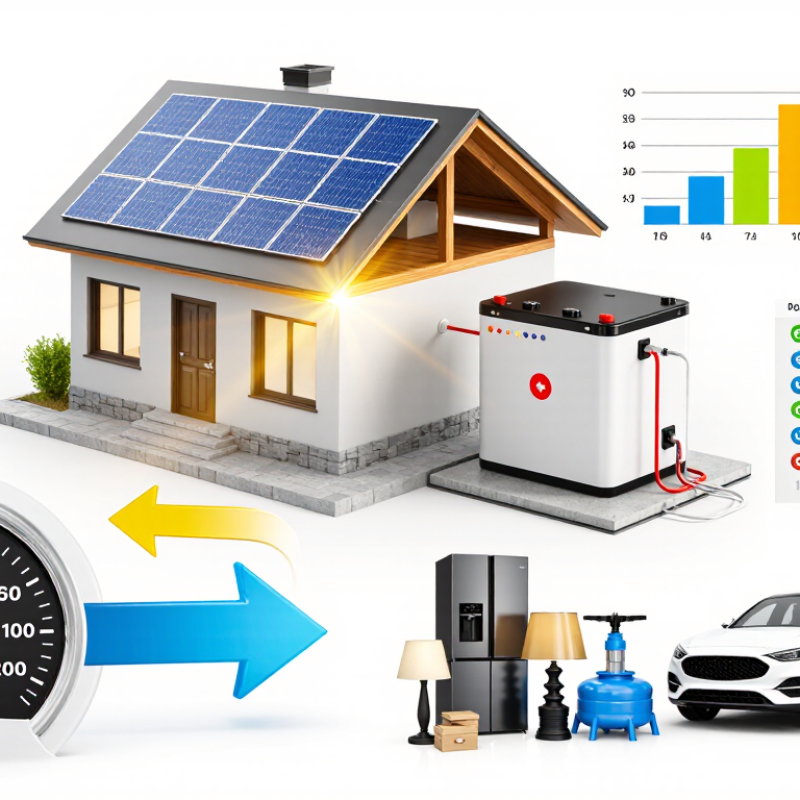
Top 10 Tips on How to Choose the Right Solar Battery System?

Assess Your Household’s Energy Needs and Usage Patterns

Choosing a solar battery starts with your household’s real energy behavior, not its floor area. The U.S. Energy Information Administration reported average residential electricity use of about 899 kilowatt-hours monthly in 2022. Your home may differ sharply. Electric heating, water heaters, and vehicle charging can change evening demand.

Review twelve months of utility bills, then mark hourly usage if smart-meter data is available. Note when lights, cooking appliances, pumps, and cooling systems run together. A family returning at 6 p.m. needs a different battery profile from a home using most electricity at midday. The International Energy Agency highlights demand flexibility as important for integrating distributed solar, but household schedules remain unpredictable.

Tip: Separate essential loads from flexible loads. Keep refrigeration, medical equipment, internet service, and selected lighting on the backup circuit. Avoid sizing the battery for every appliance unless outages require it. A practical estimate multiplies essential evening demand by the desired backup hours, then allows for usable capacity limits and conversion losses. My first estimate was too optimistic because I ignored winter heating demand. That mistake matters.

Tip: Compare weekday and weekend patterns. A battery that performs well in July may struggle during darker months. NREL’s residential storage research also shows that operating strategy affects value as much as battery size. Ask an installer to model seasonal production, outage duration, reserve settings, and future loads. Check the assumptions carefully. They are often more important than the headline capacity.

Compare Battery Types, Capacity, and Usable Storage

Top 10 Tips on How to Choose the Right Solar Battery System?

Compare Battery Types, Capacity, and Usable Storage

Choosing a solar battery starts with chemistry, not the advertised capacity. Lithium iron phosphate batteries generally offer strong thermal stability and long cycle life. Lead-acid systems may cost less, but their usable capacity is often lower. They also need deeper replacement planning. I once compared batteries by price alone. That was a mistake.

Check usable storage, not nominal storage. A 10 kWh battery may provide only 8 kWh after its depth-of-discharge limit. Round-trip efficiency matters too. NREL’s 2024 Annual Technology Baseline commonly models lithium-ion storage near 85% round-trip efficiency. Therefore, about 8.5 kWh returns after storing 10 kWh. Real installations vary. Heat, inverter losses, and aging reduce output.

Match capacity to your evening loads. A home using 6 kWh overnight may not need a 20 kWh system. Oversizing can leave expensive capacity idle. Review hourly electricity data, not monthly averages. The International Energy Agency reported that battery storage additions exceeded 40 GW globally in 2023, showing rapid market growth and wider system choices. However, growth does not guarantee every specification is suitable. Compare continuous power, surge power, operating temperature, cycle warranty, and end-of-warranty capacity. A battery with 10 kWh usable storage but limited output may not start a pump or refrigerator. Ask for measured usable energy at your expected temperature. That detail is easy to miss.

Check System Compatibility with Solar Panels and Inverters

Top 10 Tips on How to Choose the Right Solar Battery System?

System compatibility should be checked before comparing battery prices. A battery must match the solar inverter’s voltage range, charging limits, and communication requirements. A “48-volt” battery may still need a specific operating range. Confirm the exact figures in both technical manuals. Do not rely on labels alone.

Check whether the system uses AC coupling or DC coupling. DC-coupled batteries often share equipment with solar panels, while AC-coupled batteries use a separate battery inverter. The choice affects energy losses, installation space, and backup performance. Also compare continuous power, peak power, and usable capacity. A battery may store enough energy but fail to start a pump or refrigerator. Small details matter.

Ask a qualified installer to inspect cable sizes, protection devices, grounding, and software settings. The inverter should recognize the battery’s charging profile and safety limits. Some systems need approved communication cables or updated firmware. Request written confirmation, not verbal assurance. A practical mistake is checking capacity while ignoring inverter output. That can create disappointing backup results. Even careful reviews have gaps. A second compatibility check is worthwhile before ordering equipment.

Top 10 Tips on How to Choose the Right Solar Battery System

Usable Energy After Depth of Discharge and Round-Trip Efficiency

This chart uses a 10 kWh nameplate battery and a 90% round-trip efficiency assumption. It illustrates how the selected depth of discharge affects the energy available to the home. Before purchasing, confirm that the battery voltage range, maximum charge and discharge current, inverter power rating, communication protocol, and AC/DC coupling design are compatible with the solar panels and inverter.

Evaluate Efficiency, Lifespan, Safety, and Warranty Coverage

Top 10 Tips on How to Choose the Right Solar Battery System?

Efficiency is more than a headline percentage. NREL’s 2024 Annual Technology Baseline models lithium-ion storage at roughly 85% round-trip efficiency in utility-scale cases. Home systems may perform differently. Ask for tested efficiency at normal loads, standby losses, and partial charging. A battery rated at 10 kWh may deliver less usable energy after reserve limits and conversion losses. Numbers can mislead.

Lifespan should include both years and energy throughput. NREL commonly models battery storage with a 15-year life, but temperature, cycling depth, and poor ventilation can shorten it. IEA’s Global EV Outlook 2024 reports that lithium-ion battery prices fell sharply over the last decade. Lower prices do not guarantee longer service. Check the degradation curve, expected capacity after ten years, and replacement conditions. I would not assume a long warranty means a healthy battery.

Safety needs practical evidence. Look for documented thermal-runaway testing, certified installation requirements, enclosure ratings, and clear emergency shutdown procedures. Standards such as NFPA 855 and UL 9540A can help assess fire risks and system behavior. Warranty coverage should state years, throughput limits, minimum retained capacity, labor costs, and exclusions for heat or unauthorized installation. Read the exclusions. An installer’s workmanship warranty also matters, yet it is often overlooked. Asking for test conditions is uncomfortable, but vague answers should slow the purchase.

Calculate Total Costs, Installation Requirements, and Future Expansion

Choosing a solar battery system starts with numbers, not glossy capacity claims. Review twelve months of electricity bills and note evening usage. A 10 kWh battery does not always deliver 10 kWh to appliances. Usable capacity, round-trip efficiency, and reserve settings reduce available energy. Ask an installer to model winter production, peak tariffs, and backup loads. Small details matter.

Calculate purchase, permits, wiring, monitoring, labor, and possible panel upgrades. Request an itemized quotation with taxes, maintenance, warranty limits, and replacement assumptions. Compare lifetime cost per usable kilowatt-hour, not only the upfront price. Installation may require wall clearance, ventilation, weather protection, and upgraded switchgear. A site survey should check cable routes, flood exposure, structural strength, and emergency access. Never accept a design based on photographs alone. I once underestimated cable distance during a retrofit, and extra conduit changed the labor estimate. That mistake was avoidable.

Plan for future expansion before signing. Confirm whether the inverter supports additional battery modules and whether new units must match age and chemistry. Leave physical space, spare conduit, and electrical capacity where practical. Ask how software limits, warranty conditions, and utility requirements affect later additions. Oversizing today can waste money if household demand falls. Undersizing can increase grid purchases during cloudy weeks. Use measured load data, not optimism. Have a qualified professional verify protection settings and commissioning records.

FAQS

How should I judge a solar battery’s real efficiency?

Ask for tested round-trip efficiency at normal household loads. Check standby losses and partial-charging performance. A 10 kWh label may provide less usable energy. Numbers can mislead.

What battery lifespan details matter most?

Review expected years and total energy throughput. Check the capacity remaining after ten years. Temperature, deep cycling, and poor ventilation may shorten service. A long warranty is not proof of battery health.

What safety evidence should I request?

Request thermal-event testing and certified installation requirements. Check the enclosure rating and emergency shutdown steps. Ask where the battery sits during a flood or fire response. Vague answers deserve caution.

What should a battery warranty include?

Confirm the warranty period, throughput limit, and retained capacity. Check whether labor and replacement costs are included. Read exclusions for heat, poor ventilation, and unauthorized installation. Do not skip the small print.

How can I estimate the battery size correctly?

Review twelve months of electricity bills. Measure evening consumption and essential backup loads. Include winter production and peak-rate periods. A forecast can be wrong.

Which costs belong in the total purchase estimate?

Include equipment, permits, wiring, monitoring, labor, taxes, and maintenance. Ask for an itemized quotation. Include possible panel upgrades and future replacement costs. The cheapest quote may not stay cheap.

What should a proper site survey examine?

The survey should check cable routes, wall clearance, ventilation, and weather protection. It should also inspect flood exposure, structural strength, and emergency access. Do not accept a design based only on photographs. I once underestimated cable distance. That mistake was avoidable.

How should I prepare for future battery expansion?

Confirm inverter capacity and compatibility with additional modules. Ask whether new units must match the original age and chemistry. Reserve space, conduit, and electrical capacity where practical. Oversizing today may waste money. Undersizing may increase grid purchases.

Conclusion

Choosing the right solar battery system begins with understanding your household’s energy needs, daily consumption patterns, and peak usage times. This information helps determine the appropriate battery capacity and usable storage, ensuring that the system can provide reliable backup power without unnecessary expense. When learning how to choose the right solar battery system, compare available battery types according to efficiency, expected lifespan, safety features, maintenance needs, and warranty coverage. A battery with strong performance and dependable protection can deliver greater long-term value.

Compatibility is also essential. Confirm that the battery works properly with your existing solar panels, inverter, monitoring equipment, and electrical setup. In addition to the purchase price, calculate installation costs, required space, permits, professional services, and potential future maintenance. It is also wise to consider whether the system can be expanded as your energy needs change. By evaluating performance, reliability, total ownership costs, and future flexibility together, you can select a solar battery solution that supports efficient and dependable household energy use.

Aria

Aria

Aria is a dedicated marketing professional with a deep passion for innovative strategies and a keen understanding of our company's product offerings. With a wealth of experience in the industry, Aria excels at crafting engaging content that highlights the unique features and benefits of our......